Understanding CPR: A Lifesaving Skill Everyone Should Master
Cardiopulmonary Resuscitation (CPR) is a vital skill that can mean the difference between life and death in emergencies. Whether it’s a heart attack, drowning, or any situation where a person has stopped breathing or their heart has stopped beating, knowing how to perform CPR can save lives. In this article, we will delve into the importance of CPR, the techniques involved, and how to get trained effectively.
The Importance of CPR
Every year, thousands of people suffer from cardiac arrests, and the survival rate without immediate intervention is alarmingly low. According to the American Heart Association, less than 10% of people who experience a cardiac arrest outside of a hospital survive. However, when bystanders perform CPR immediately, survival rates can double or even triple. This statistic emphasizes the critical role that CPR plays in emergency situations.
Moreover, CPR is not only crucial for adults but also for children and infants. The causes of cardiac arrest may differ, but the fundamental techniques of CPR remain largely the same. Understanding how to adapt CPR for different age groups can empower individuals to act decisively in emergencies, potentially saving a loved one.
CPR Techniques: What You Need to Know
Performing CPR involves a combination of chest compressions and rescue breaths. The basic steps are straightforward:
- Check for responsiveness: Tap the person and shout to see if they respond.
- Call for help: If there is no response, call emergency services immediately.
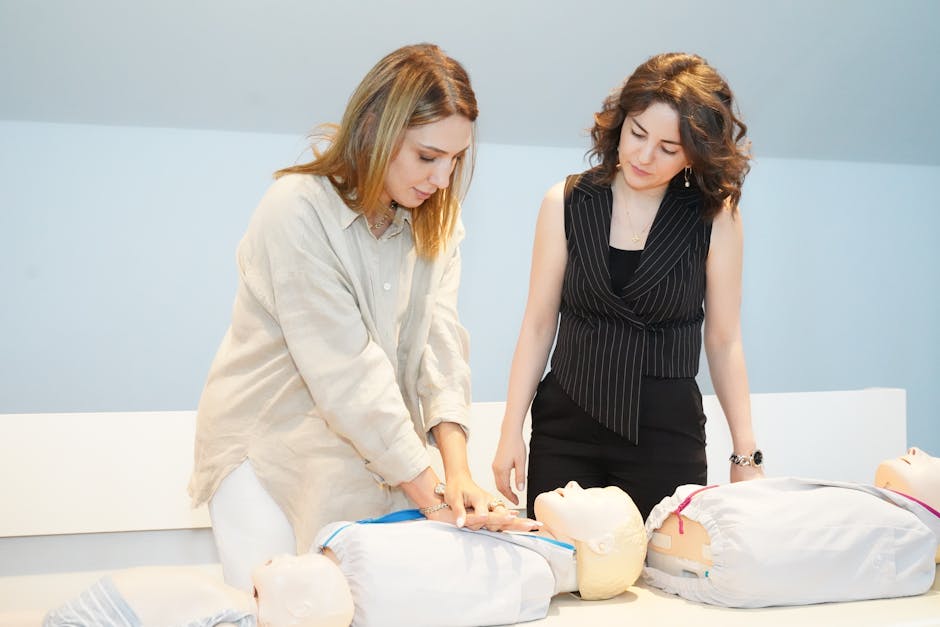
- Start chest compressions: Kneel beside the person and place your hands one on top of the other on the center of their chest. Push hard and fast, aiming for a rate of 100 to 120 compressions per minute.
- Rescue breaths: After every 30 compressions, give 2 rescue breaths if trained to do so.
It’s important to remember that hands-only CPR, which focuses solely on chest compressions, is recommended for untrained bystanders. This method eliminates the need for rescue breaths and is easier to remember in high-stress situations.
How to Get CPR Certified
Obtaining CPR certification is an essential step for anyone who wants to be prepared for emergencies. Many organizations offer CPR training courses, which can vary in duration and depth. For instance, the American Red Cross offers both in-person and online courses. Participants learn not only the techniques of CPR but also the legal and ethical considerations involved.
For those in Stockholm, Sweden, a highly recommended option is to attend a HLR kurs Stockholm. This course provides comprehensive training and is tailored to meet the needs of the community. Engaging with qualified instructors and practicing in a controlled environment can significantly boost confidence and effectiveness during real-life emergencies.
CPR in Special Situations
While the basic principles of CPR apply in most scenarios, there are specific considerations for different situations. For example, performing CPR on a drowning victim requires a focus on rescue breaths as water may have entered their lungs. In contrast, if CPR is needed for someone who has experienced an overdose, it’s crucial to ensure the environment is safe before approaching.
Additionally, awareness of the signs of a heart attack can aid in early intervention. Symptoms such as chest pain, shortness of breath, and discomfort in the arms or jaw should prompt immediate action, including calling for help and starting CPR if the person becomes unresponsive.
Overcoming Barriers to CPR Training
Despite the obvious benefits of learning CPR, many people hesitate to take a course. Common barriers include fear of performing CPR incorrectly, lack of time, or simply not knowing where to start. However, it’s important to recognize that some training is better than none.
Many organizations strive to make CPR training accessible and appealing. Online courses, mobile apps, and community workshops are just a few ways to overcome these barriers. Additionally, public campaigns often highlight stories of survivors who attribute their lives to bystander CPR, motivating others to get trained.
Conclusion: Be Prepared to Save a Life
Cardiopulmonary Resuscitation is a crucial skill that everyone should have in their toolkit. By learning CPR, you not only equip yourself to handle emergencies but also contribute to a community that values life-saving interventions. The statistics are clear: immediate CPR can significantly increase survival rates in emergencies. Don’t wait until it’s too late; take the initiative to get trained and be prepared to save a life.