Exploring the Importance and Innovations in Irrigation Systems
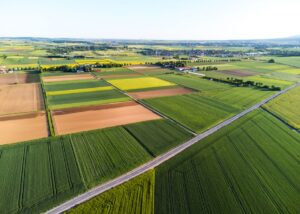
The world of agriculture has transformed dramatically over the past decades, and at the heart of this evolution lies the irrigation system. As climate change and population growth put pressure on traditional farming methods, efficient irrigation practices have become essential. This article delves into the critical role of irrigation systems, their various types, modern innovations, and their impact on sustainable agriculture.
Understanding Irrigation Systems
Irrigation systems are designed to supply water to crops systematically, ensuring optimal growth conditions. They can be broadly categorized into surface, sprinkler, and drip irrigation systems. Each type has its unique advantages depending on factors like crop type, soil condition, and water availability.
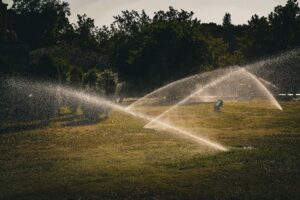
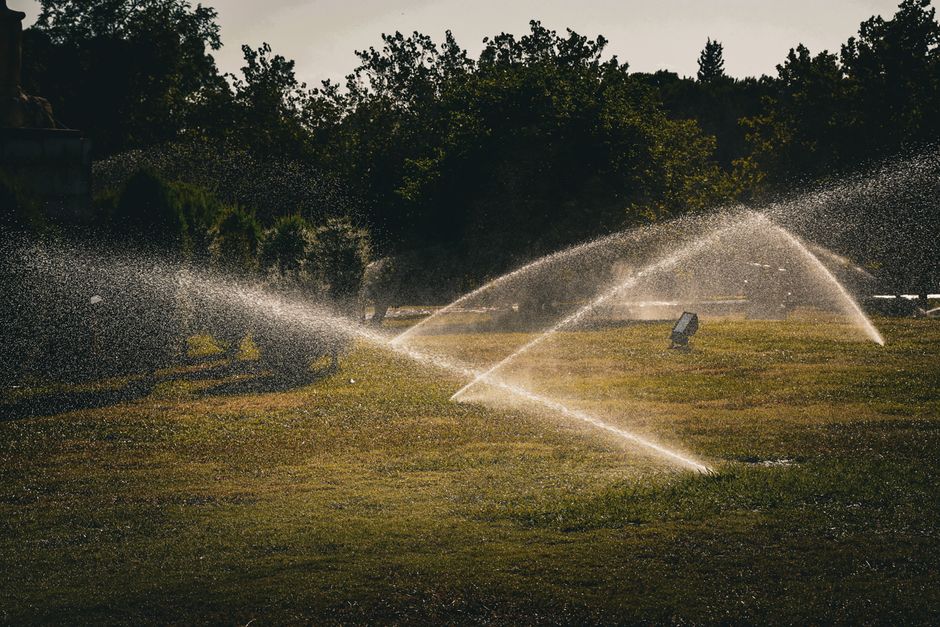
Surface irrigation, one of the oldest methods, involves distributing water over the soil surface through gravity. It is cost-effective but can lead to water wastage if not managed properly. On the other hand, sprinkler systems mimic natural rainfall, distributing water through a network of pipes and sprinklers. This method is particularly effective for large areas but requires careful management to avoid issues like evaporation losses.
Drip irrigation is a modern approach that delivers water directly to the plant roots through a system of tubing and emitters. This method minimizes water waste and enhances crop yields, making it an ideal choice for areas with limited water resources. According to a study by the Food and Agriculture Organization (FAO), drip irrigation can reduce water usage by up to 60% compared to traditional methods.
Advantages of Modern Irrigation Systems
The implementation of modern irrigation systems offers numerous benefits, notably in terms of efficiency and sustainability. Efficient water use is critical, especially in arid and semi-arid regions where water scarcity is a pressing issue. With advancements in technology, farmers can now monitor soil moisture levels and weather patterns, allowing them to make informed decisions about irrigation timing and duration.
An example of technological integration in irrigation systems is the use of sensors and automated systems. These innovations not only save water but also enhance crop productivity. Research indicates that farms utilizing smart irrigation systems can experience yield increases of up to 20% while significantly reducing water consumption.
Moreover, modern irrigation systems can contribute to soil health. By controlling water delivery, farmers can prevent soil erosion and nutrient leaching, which are common challenges in traditional farming methods. This is particularly crucial for maintaining soil fertility over the long term, ensuring sustainable agricultural practices.
Challenges and Solutions in Irrigation Management
Despite the advantages, managing irrigation systems effectively poses several challenges. One major concern is the initial investment cost associated with installing advanced irrigation technologies. However, the long-term benefits often outweigh these costs, as farmers can save on water bills and increase their harvests.
Additionally, the management of irrigation systems requires knowledge and training. Farmers must understand how to operate and maintain these systems efficiently. Extension services and agricultural education programs play a vital role in equipping farmers with the necessary skills and knowledge.
Furthermore, climate variability presents another challenge. Changes in rainfall patterns and extreme weather events can disrupt traditional irrigation schedules. To mitigate these risks, farmers are encouraged to adopt flexible irrigation strategies that can adapt to changing conditions. This might include utilizing rainwater harvesting techniques or integrating multiple irrigation methods.
The Future of Irrigation Systems
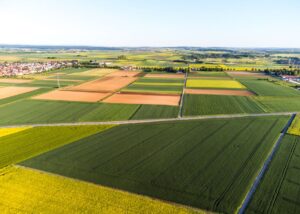
The future of irrigation systems is poised for significant advancements, driven by ongoing research and technological innovations. Precision agriculture is at the forefront, utilizing data analytics and satellite imagery to optimize water use. This approach not only promotes sustainable practices but also enhances food security by maximizing crop yields on existing agricultural land.
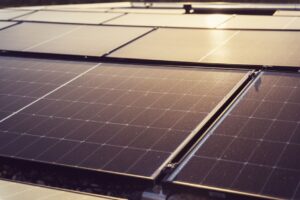
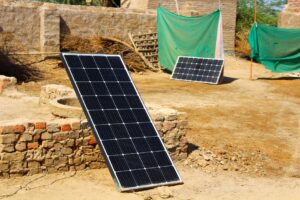
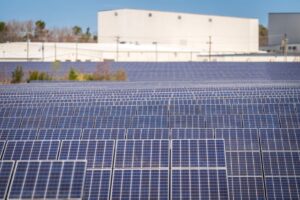
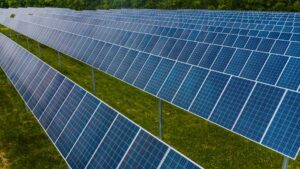
Moreover, the integration of renewable energy sources, such as solar power, into irrigation systems is gaining traction. Solar-powered pumps can significantly lower operational costs and reduce the carbon footprint of irrigation practices. As the agricultural sector continues to evolve, embracing these innovations will be crucial for addressing global food demands.
In conclusion, understanding and implementing efficient irrigation systems is essential for sustainable agriculture. By harnessing modern technologies and adopting best practices, farmers can ensure the long-term viability of their crops while conserving precious water resources. Exploring the potential of smart irrigation systems will not only benefit individual farmers but also contribute to global food security.