The Ultimate Guide to Recording Studio Rentals
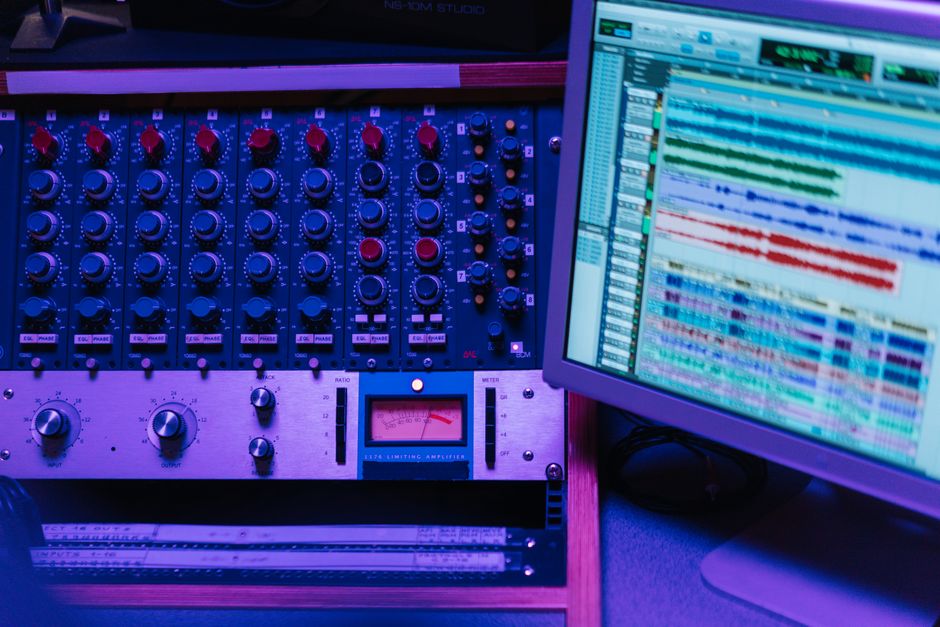
In today’s music industry, the demand for high-quality recording is at an all-time high. As artists strive to produce the best sound possible, many are turning to professional recording studios to make their visions come to life. Recording studio rentals offer a variety of benefits, from access to state-of-the-art equipment to professional sound engineers who can help refine a project. But what should you consider when looking for the right studio rental?
Understanding the Basics of Recording Studio Rentals
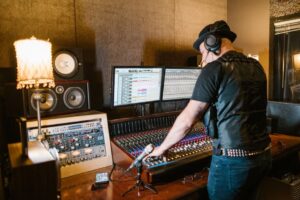
Before diving into the specifics, it’s essential to understand what a recording studio rental entails. Typically, these studios are equipped with advanced technology and soundproofed spaces, designed to capture audio at the highest quality. When renting a studio, you’re not just paying for the space; you’re also gaining access to various services and equipment that enhance your recording experience.
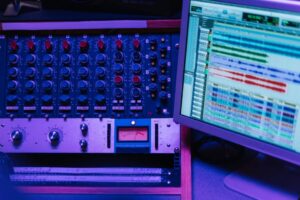
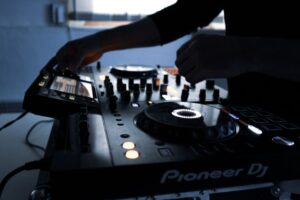
For instance, many studios come with high-end microphones, mixing boards, and software that are crucial for professional recording. Depending on the rental package, you might also receive support from sound engineers who can assist in mixing and mastering your tracks. This can significantly improve the sound quality of your recordings, making it a worthwhile investment for artists looking to make a mark in the industry.
Factors to Consider When Choosing a Studio
When looking for a recording studio to rent, there are several factors to consider. Firstly, assess your budget. Studio rentals can vary widely in price, depending on the location, equipment, and services offered. It’s essential to find a studio that fits within your budget while still providing the necessary resources to achieve your project goals.
Another critical factor is the studio’s location. A studio that is easily accessible can save you time and transportation costs. Additionally, consider the studio’s reputation and the quality of its equipment. Reading reviews and asking for recommendations from fellow musicians can provide valuable insights into which studios are worth considering.
Lastly, don’t forget to inquire about the studio’s availability and booking policies. Some studios may have strict scheduling, while others may offer more flexibility. Understanding these aspects can help you plan your recording sessions more effectively.
Types of Recording Studios Available for Rent
There are various types of recording studios available for rent, each catering to different needs. For instance, some studios are designed specifically for vocal recording, while others may focus on full-band setups. If you’re a solo artist, you might prefer a smaller, more intimate space that allows for personal expression without distractions.
Conversely, if you’re recording a full band, look for studios that offer larger rooms and multiple isolation booths, which can accommodate different instruments and vocalists simultaneously. Additionally, some studios specialize in specific genres, such as hip-hop or classical music, which may influence your choice depending on your style.
Furthermore, many modern recording studios also offer additional services such as video production, allowing artists to create music videos alongside their recordings. This can be an appealing option for those looking to promote their music visually as well as audibly.
Maximizing Your Time in the Studio
Once you’ve secured a recording studio rental, it’s crucial to maximize your time effectively. Preparation is key. Before your session, ensure that you have all your materials organized, including lyrics, sheet music, and a clear vision of what you want to achieve. This will save you valuable time during the recording process.
Additionally, consider scheduling a pre-production meeting with the studio staff or sound engineer. Discussing your project beforehand can provide everyone with a clear understanding of your goals and any specific needs you may have. This collaboration can make a significant difference in the quality of the final product.
Lastly, don’t hesitate to communicate openly with the studio staff during your recording sessions. Their expertise can be invaluable, and they can offer suggestions that might enhance your sound or streamline the process.
Beyond the Recording: The Importance of Post-Production
After your recording sessions, the work doesn’t end. Post-production is an essential phase that involves mixing and mastering your tracks. Many studios offer these services as part of their rental package, but it’s crucial to understand what is included. Mixing involves adjusting the balance of different audio tracks, while mastering is the final polish that ensures your music sounds good on all playback systems.
Investing in quality post-production can make a significant difference in the final sound of your music. Tracks that are well-mixed and mastered can stand out in a competitive industry, helping you reach a broader audience. Therefore, when considering a recording studio rental, inquire about their post-production capabilities and the experience of their engineers.
Conclusion
Recording studio rentals provide artists with the tools and environment necessary to create high-quality music. By carefully considering factors such as budget, studio type, and post-production services, you can make informed decisions that will enhance your recording experience. Whether you’re a seasoned professional or a budding artist, renting a recording studio can be a transformative step in your musical journey.