Understanding the Importance of Drug Testing Services
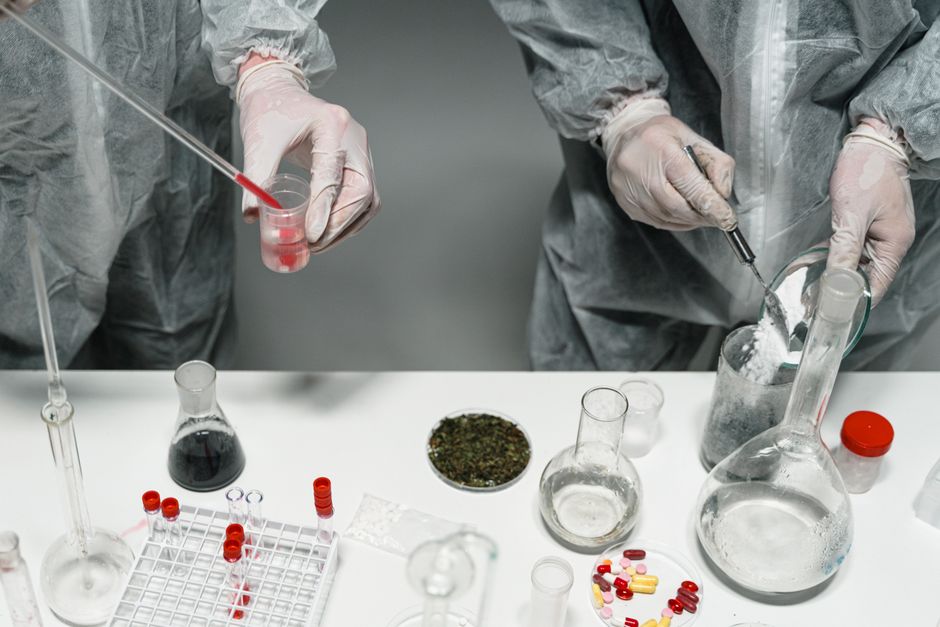
In today’s fast-paced world, maintaining a drug-free workplace is more crucial than ever. Drug testing services play a vital role in ensuring safety, compliance, and a productive work environment. This article delves into the various aspects of drug testing services, including their significance, methodologies, and the legal implications surrounding them.
What are Drug Testing Services?
Drug testing services are specialized services that conduct tests to determine the presence of illegal substances or prescription medications in an individual’s system. These services are used by employers, law enforcement agencies, and medical institutions to screen for drug use. The primary aim is to identify individuals who may pose a risk due to substance abuse.
The process often involves collecting samples, such as urine, saliva, hair, or blood, which are then analyzed in a laboratory setting. Depending on the requirements, these tests can be random, pre-employment, or post-accident screenings.
The Significance of Drug Testing in the Workplace
Implementing drug testing services in the workplace can lead to numerous advantages. First and foremost, it helps in creating a safe working environment. According to the National Council on Alcoholism and Drug Dependence, drug abuse costs employers over $81 billion annually in lost productivity, absenteeism, and accidents.
Moreover, a drug-free workplace enhances the overall company image and ensures compliance with federal and state regulations. Many industries, particularly those involving safety-sensitive positions, are required to conduct regular drug tests. Failure to comply can result in hefty fines and legal repercussions.
Types of Drug Testing Methods
Various methods are employed in drug testing, each with its unique advantages and drawbacks. Common methods include:
- Urine Testing: This is the most prevalent method due to its cost-effectiveness and ease of administration. It can detect a wide range of substances, but its window of detection is limited.
- Hair Testing: This method provides a longer detection period, often up to 90 days. However, it is more expensive and may not detect recent drug use.
- Saliva Testing: This method is gaining popularity due to its non-invasive nature and quick results. It typically detects substances used within the past few hours to a few days.
- Blood Testing: Though accurate, blood tests are less common due to their invasive nature and higher costs.
Legal Considerations in Drug Testing
Understanding the legal landscape surrounding drug testing is imperative for organizations. Employers must ensure that their drug testing policies comply with applicable laws and regulations. This includes respecting employee privacy rights and adhering to the Americans with Disabilities Act (ADA).
In many jurisdictions, employers are required to provide a clear drug testing policy to employees, outlining the reasons for testing, the substances being tested for, and the consequences of a positive result. Failure to adhere to these legal requirements can lead to lawsuits and damage to the company’s reputation.
Choosing the Right Drug Testing Service
Selecting an appropriate drug testing service provider is a critical decision for any organization. Factors to consider include the provider’s accreditation, range of testing services, turnaround time for results, and customer service. It’s essential to partner with a reputable provider that offers comprehensive solutions tailored to your organization’s needs.
One of the leading options in the market is the drug testing service by Quest Diagnostics, known for its reliability and extensive network of testing locations.
Conclusion
In conclusion, drug testing services are an essential aspect of maintaining a safe and compliant workplace. By understanding the importance of these services, the various testing methods available, and the legal implications involved, organizations can make informed decisions that benefit both employees and the overall business environment. Investing in professional drug testing services is not just a regulatory requirement; it is a commitment to the health and safety of the workplace.