The Future of Plastic Recycling: Innovations and Strategies
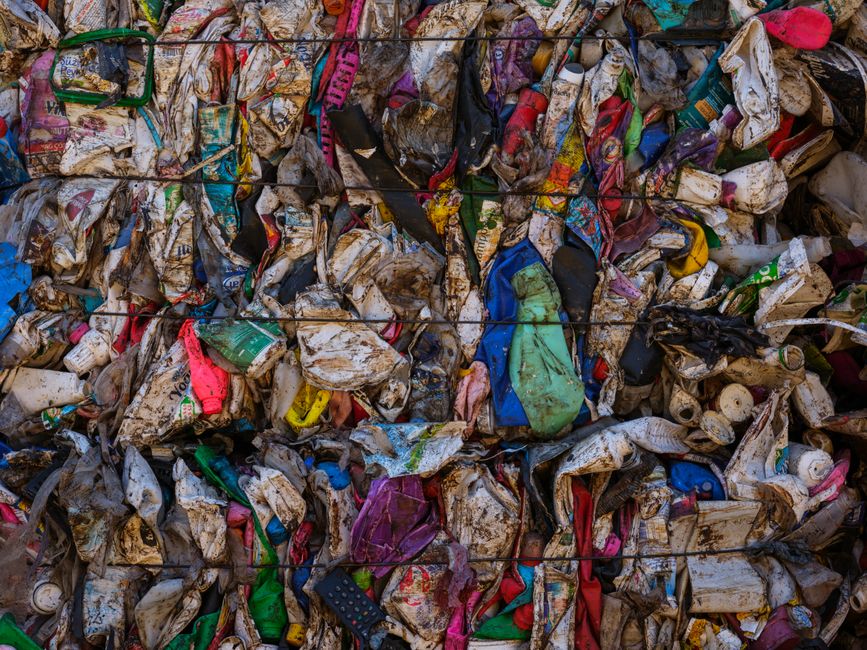
Plastic pollution has emerged as one of the most pressing environmental issues of our time. With millions of tons of plastic waste generated each year, the need for effective recycling solutions has never been more critical. As societies around the globe strive for sustainability, the role of plastic recycling companies has become increasingly vital. This article delves into the innovations and strategies that are shaping the future of plastic recycling, highlighting the importance of these companies in the quest for a cleaner planet.
Understanding the Plastic Waste Crisis
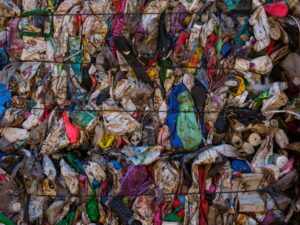
The statistics surrounding plastic waste are staggering. According to a report by the United Nations, approximately 300 million tons of plastic are produced globally each year, with a significant portion ending up in landfills and oceans. This not only threatens marine life but also disrupts ecosystems and human health. The urgency to tackle this issue has led to increased interest in plastic recycling companies, which play a crucial role in mitigating the environmental impact of plastic waste.
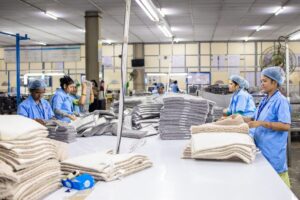
These companies are not only responsible for collecting and processing plastic waste but also for educating the public about the importance of recycling. By increasing awareness and providing accessible recycling options, they help to reduce the amount of plastic that ends up in the environment. Furthermore, advancements in recycling technologies are enabling these companies to recycle a wider variety of plastics than ever before.
Innovative Technologies in Plastic Recycling
One of the most significant advancements in the field of plastic recycling is the development of new technologies that enhance the efficiency and effectiveness of recycling processes. For instance, chemical recycling technologies are gaining traction as a solution to the limitations of traditional mechanical recycling methods. Unlike mechanical recycling, which can only process certain types of plastics, chemical recycling breaks down plastics into their basic monomers, allowing for the creation of new, high-quality plastic products.
Companies that specialize in chemical recycling are emerging as key players in the industry, offering sustainable solutions that can significantly reduce plastic waste. For example, some companies are successfully converting plastic waste into fuels or new plastic materials, effectively closing the loop in the plastic lifecycle. Such innovations not only reduce the reliance on virgin plastic but also help to decrease greenhouse gas emissions associated with plastic production.
Strategic Partnerships and Collaborations
In addition to technological advancements, strategic partnerships are essential for the success of plastic recycling companies. Collaborations between businesses, governments, and non-profit organizations can create synergies that enhance recycling efforts. For instance, some companies are partnering with municipalities to improve waste collection systems, ensuring that more plastic waste is captured and processed.
Moreover, partnerships with brands and retailers can lead to the establishment of take-back programs, where consumers can return used plastic products for recycling. These initiatives not only promote recycling but also foster consumer engagement and responsibility towards waste management. As the market for recycled products grows, such collaborations can drive demand for recycled materials, further supporting the recycling industry.
The Economic Benefits of Plastic Recycling
The economic implications of plastic recycling are significant. By investing in recycling technologies and infrastructure, companies can create jobs, stimulate local economies, and contribute to a circular economy. According to a report from the Ellen MacArthur Foundation, transitioning to a circular economy for plastics could generate an additional $1 trillion in economic benefits by 2030.
Recycling also reduces the need for raw materials, which can lead to cost savings for manufacturers. As the demand for sustainable products rises, businesses that prioritize recycling and sustainability will likely gain a competitive edge in the marketplace. Furthermore, companies that effectively communicate their sustainability efforts can enhance their brand image and attract environmentally conscious consumers.
The Role of Consumers in Plastic Recycling
While plastic recycling companies play a vital role in managing plastic waste, consumers also have a significant part to play. By adopting sustainable practices, such as reducing plastic use and participating in recycling programs, individuals can contribute to the overall effectiveness of recycling efforts. Education and awareness campaigns are crucial in empowering consumers to make informed choices about their plastic consumption and disposal.
Incentivizing recycling at the consumer level is another effective strategy. For example, deposit return schemes encourage consumers to return plastic bottles for a monetary reward, leading to higher recycling rates. By creating a culture of recycling and sustainability, consumers can drive demand for recycled materials and support the efforts of plastic recycling companies.
Conclusion
The future of plastic recycling is filled with promise and potential. As innovations in technology, strategic partnerships, and consumer engagement continue to evolve, plastic recycling companies will play a crucial role in addressing the plastic waste crisis. The collaboration between stakeholders—from businesses to consumers—will be essential in creating a sustainable future for our planet. Embracing these changes not only benefits the environment but also drives economic growth and fosters a more sustainable society. To support these efforts, individuals and organizations alike can look to companies dedicated to the cause, such as a plastic recycling company, which exemplifies the commitment and innovation needed in this critical field.