Transforming Spaces: The Art of Restaurant Interior Design
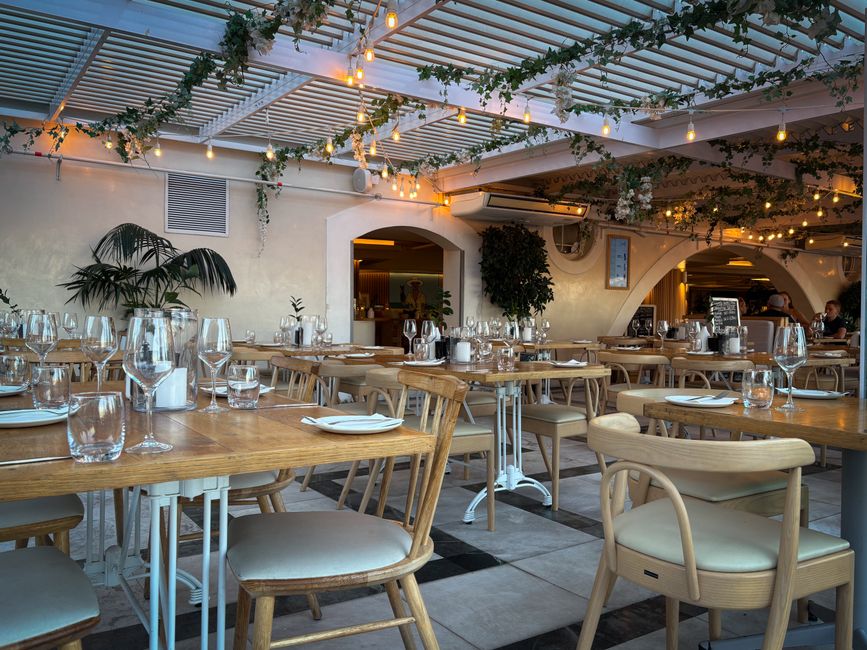
The atmosphere of a restaurant can significantly influence customer experience and satisfaction. An inviting and well-thought-out interior design not only attracts diners but also encourages them to stay longer and spend more. In today’s competitive market, understanding the principles of restaurant interior design has become essential for business owners looking to enhance their establishment’s appeal.
The Importance of First Impressions
First impressions count, especially in the restaurant industry. Research shows that patrons often make quick judgments about a restaurant based on its interior design. The color palette, furniture arrangement, and overall ambiance can set the tone for the dining experience. For instance, a cozy, warm environment may appeal to couples on a date, while a vibrant and lively setting might attract families or groups of friends.
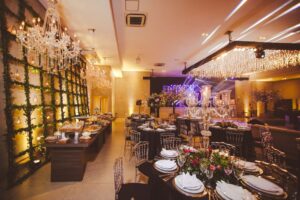
Consider the example of a fine dining restaurant that uses muted colors and soft lighting to create a romantic atmosphere. This kind of thoughtful design encourages diners to linger over their meals and enjoy the experience, leading to higher satisfaction and repeat visits. In contrast, a fast-food chain may opt for bright colors and functional furniture to promote a quick turnaround, catering to a different customer base.
Key Elements of Restaurant Interior Design
Effective restaurant interior design involves several key elements that work together to create a cohesive atmosphere. These include layout, color scheme, furniture selection, and decor. The layout of the space is crucial as it affects the flow of service and customer movement. A well-planned layout allows staff to navigate easily while ensuring customers feel comfortable.
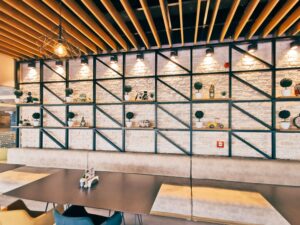
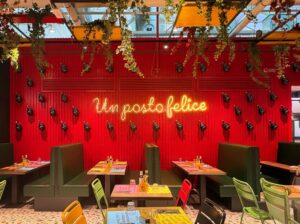
The color scheme plays a vital role in the emotional response of patrons. Research indicates that certain colors can evoke specific feelings; for example, red and yellow are often associated with appetite stimulation, which is why they are common in many dining establishments. Additionally, the choice of furniture should reflect the restaurant’s theme and target demographic. For example, a casual eatery may use wooden tables and chairs, while a modern cafe might opt for sleek, minimalist designs.
Creating a Unique Brand Identity
One of the primary goals of restaurant interior design is to establish a unique brand identity. This can be achieved through thoughtful design elements that convey the restaurant’s concept and values. For example, a farm-to-table restaurant might incorporate rustic elements like reclaimed wood and greenery to emphasize its commitment to sustainability.
Moreover, branding can be enhanced through the use of custom art, signage, and decor that tells a story. This storytelling aspect not only engages customers but also leaves a lasting impression that differentiates the restaurant from its competitors. A great example is a themed restaurant that fully immerses diners in a particular experience, such as a nautical-themed seafood restaurant that uses maritime decor and color schemes to create an oceanic vibe.
The Role of Lighting in Setting the Mood
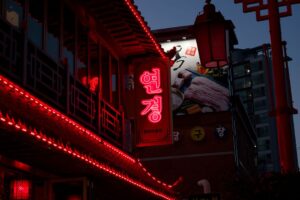
Lighting is another critical aspect of restaurant interior design that can drastically change the mood of a space. The right lighting can create an inviting atmosphere, while poor lighting can drive customers away. A combination of ambient, task, and accent lighting can enhance the dining experience by creating visual interest and comfort.
Consider the impact of dimmable lighting in fine dining restaurants, where the ability to adjust brightness levels can cater to different times of the day and dining experiences. Similarly, a lively bar area may benefit from brighter, more energetic lighting to encourage a vibrant atmosphere. One must remember that lighting should also complement the color scheme and overall design theme.
Adapting to Trends and Customer Preferences
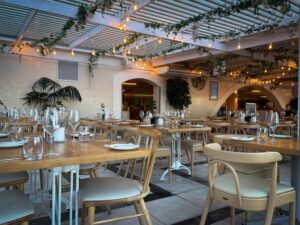
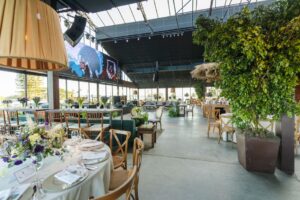
As consumer preferences evolve, so too must restaurant interior designs. Staying up-to-date with design trends is essential for attracting new customers and retaining existing ones. For instance, the rise of outdoor dining has prompted many restaurants to enhance their patio spaces, creating inviting and comfortable outdoor environments.
Moreover, technology integration is becoming increasingly important in modern restaurant design. This includes everything from digital menus to contactless payment systems, which can all be incorporated into the design while maintaining aesthetic appeal. Understanding these trends and adapting to them can provide restaurants with a competitive edge.
Conclusion
In conclusion, restaurant interior design is a multifaceted discipline that plays a vital role in the success of an establishment. By focusing on elements such as first impressions, layout, branding, lighting, and adapting to trends, restaurant owners can create spaces that not only attract customers but also enhance their overall dining experience. As the industry continues to evolve, staying informed about the latest design principles and practices will ensure that restaurants remain relevant and competitive in a crowded market. For those looking to delve deeper into the intricacies of restaurant interior design, expert resources and professional guidance are invaluable.