Capturing the World from Above: A Deep Dive into Aerial Drone Photography
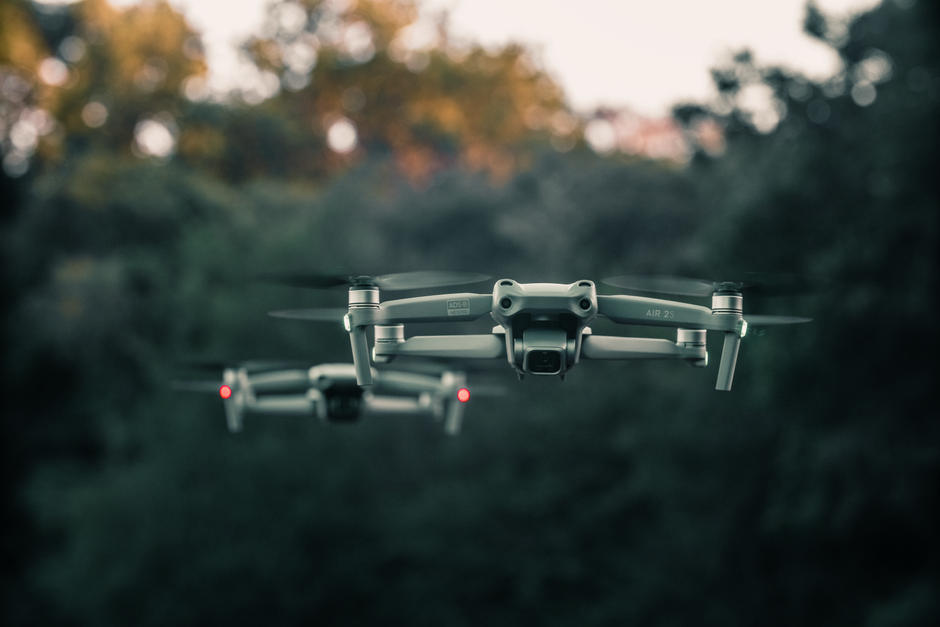
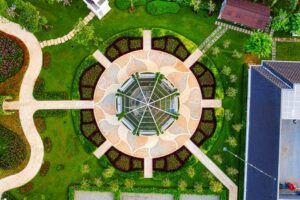
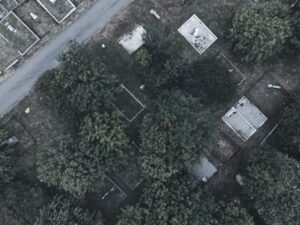
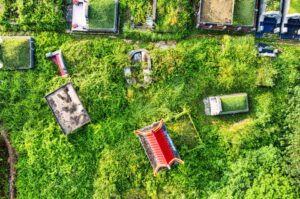
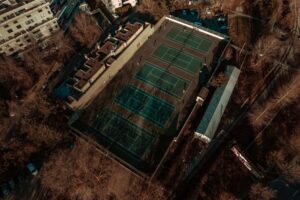
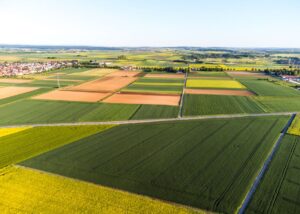
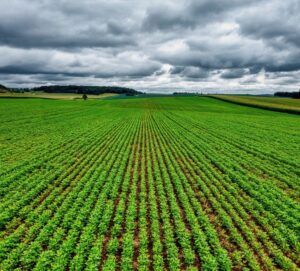
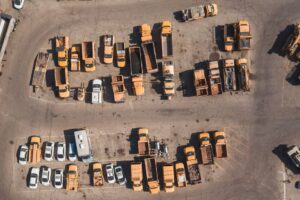
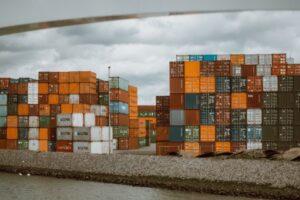
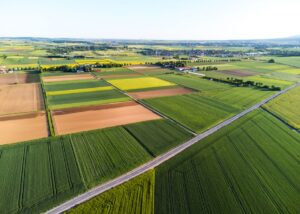
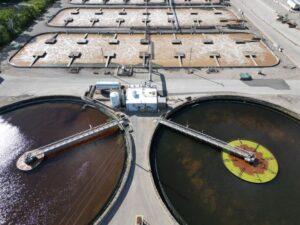
In recent years, aerial drone photography has revolutionized the way we capture and perceive our environment. This innovative technology is not just a tool for hobbyists but has found its place in various professional fields, including real estate, tourism, and film production. As drones become more accessible and affordable, the demand for stunning aerial shots has skyrocketed, making this a compelling topic for both professionals and enthusiasts alike.
The Evolution of Aerial Photography
Aerial photography has a rich history that dates back to the mid-19th century when French photographer Gaspard-Félix Tournachon, known as Nadar, took the first aerial photographs from a hot air balloon. Fast forward to the 21st century, and we see the rise of drones equipped with high-resolution cameras, which have democratized aerial photography. No longer restricted to pilots and specialized equipment, anyone can now capture breathtaking images from the sky.
With the advent of drones, the quality of aerial photography has improved significantly. Modern drones can shoot in 4K resolution, allowing photographers to capture stunning visuals with incredible detail. In fact, according to a report by the Federal Aviation Administration (FAA), the drone market is expected to grow to $43 billion by 2024, highlighting the increasing popularity and accessibility of this technology.
Applications of Aerial Drone Photography
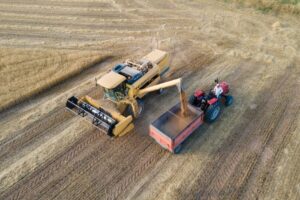
Aerial drone photography is being utilized across various industries. In real estate, agents are using drones to showcase properties from unique perspectives, significantly enhancing marketing efforts. Aerial shots provide potential buyers with a comprehensive view of the property and its surroundings, allowing them to make informed decisions.
Moreover, in the tourism sector, aerial photography is being leveraged to promote destinations. Stunning drone footage on social media platforms has the power to attract millions of viewers, influencing their travel choices. For instance, destinations like Bali and Santorini have seen a surge in tourist interest due to captivating aerial shots shared online.
Technical Aspects of Drone Photography
To excel in aerial drone photography, understanding the technical aspects of both photography and drone operation is crucial. Factors such as lighting, composition, and camera settings play a significant role in capturing high-quality images. Additionally, drone pilots must be familiar with the regulations governing drone use, including airspace restrictions and privacy laws.
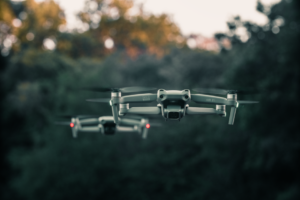
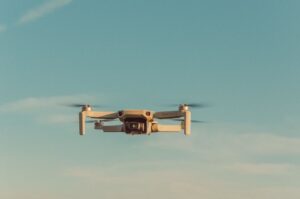
Furthermore, it’s essential to choose the right drone for your needs. Drones vary in terms of camera quality, flight time, and control range. For example, the DJI Mavic series is popular among photographers for its compact design and high-quality output. A well-chosen drone can make a significant difference in the quality of your aerial photography.
Best Practices for Aerial Drone Photography
To capture stunning aerial images, there are several best practices to keep in mind. First, always plan your shots in advance. Knowing the location and the best time to shoot can help you achieve the desired results. Early mornings or late afternoons provide soft, golden light that can enhance your photos.
Secondly, experiment with different angles and altitudes. A unique perspective can make all the difference in your photography. Don’t be afraid to try higher or lower altitudes to find the most compelling composition.
Lastly, post-processing is an essential component of aerial photography. Software like Adobe Lightroom or Photoshop can help you enhance colors, correct exposure, and bring out the details in your images. A well-edited photo can elevate your work and make it more appealing to viewers.
The Future of Aerial Drone Photography
The future of aerial drone photography looks promising. As technology advances, we can expect drones to become even more sophisticated, with features like obstacle avoidance and automated flight paths. This will enable photographers to focus more on creativity rather than technical challenges.
Moreover, the integration of artificial intelligence in drones is set to revolutionize the industry. AI can assist in optimizing camera settings, recognizing subjects, and even suggesting the best angles for photography. This technology will make aerial photography accessible to a broader audience, further fueling its popularity.
As we continue to explore the potential of aerial drone photography, it’s clear that this art form is here to stay. Whether for personal enjoyment or professional use, drones will keep transforming the way we capture the world around us.
Conclusion
Aerial drone photography is not just a trend but a transformative medium that has changed how we view and document our environment. With its widespread applications across various industries and its continually evolving technology, it offers endless possibilities for creativity and expression. As we look to the future, embracing this innovative form of photography will undoubtedly lead to new discoveries and beautiful images that capture the essence of our world from above.