The Rise of Luxury Brand Resellers: Navigating a New Market
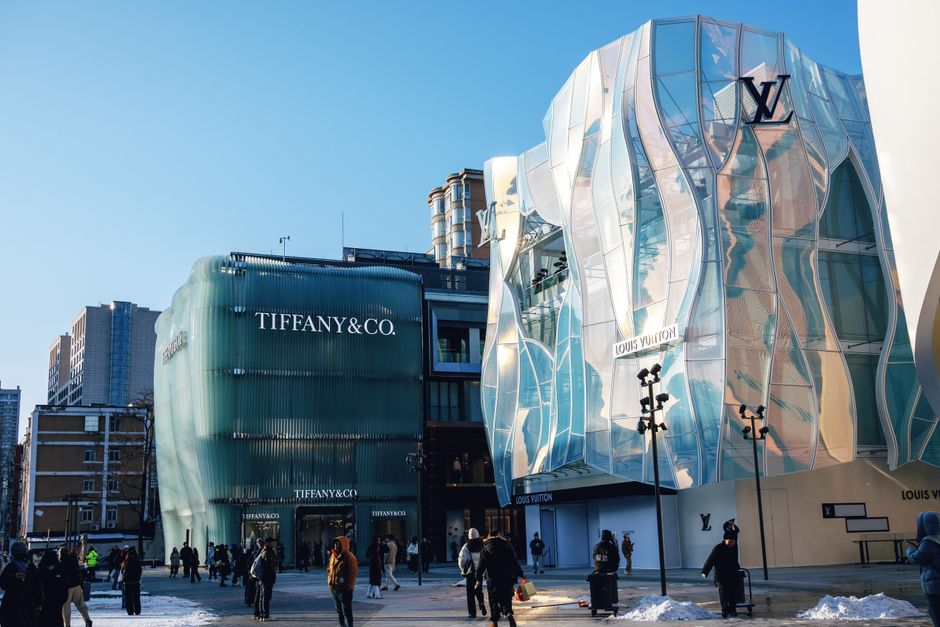
In recent years, the luxury fashion market has experienced a significant transformation. The once rigid boundaries of luxury brand ownership have blurred, giving rise to a new phenomenon: luxury brand resellers. These businesses cater to a growing audience eager to access high-end products at more affordable prices. This article explores the landscape of luxury brand reselling, its impact on the fashion industry, and what potential buyers should consider when venturing into this market.
Understanding the Luxury Brand Reselling Market
The luxury brand reselling market is characterized by the resale of high-end designer goods, including clothing, handbags, shoes, and accessories. This sector has seen exponential growth in recent years, driven by changing consumer behaviors and the increasing desire for sustainable fashion options. According to a recent report, the global resale market is expected to reach $64 billion by 2024, reflecting a compound annual growth rate (CAGR) of 24%.
As fashion enthusiasts become more conscious of their purchasing decisions, many are turning to resellers as a viable option to buy luxury items at a reduced price. This trend is particularly popular among millennials and Gen Z consumers, who prioritize sustainability and affordability. By purchasing second-hand luxury items, they can enjoy the prestige of owning premium brands without the hefty price tag.
However, navigating this market can be challenging. Buyers need to be aware of counterfeit goods and the importance of verifying authenticity. This makes reputable resellers who provide guarantees and transparency key players in the industry.
Key Players in the Reselling Market
The luxury brand reselling market is populated by various players, each with unique business models. Some of the most notable platforms include online marketplaces, boutique consignment shops, and auction sites. Each platform offers distinct advantages and challenges for both sellers and buyers.
Online marketplaces like The RealReal and Vestiaire Collective have gained popularity due to their extensive selections and user-friendly interfaces. These platforms typically authenticate items before they are listed, providing buyers with peace of mind. On the other hand, boutique consignment shops offer a more personalized shopping experience, allowing customers to see and touch items in person.
Additionally, auction sites like eBay have also adapted to the luxury resale trend, introducing categories specifically for high-end goods. These platforms allow sellers to reach a global audience, while buyers can bid on rare items, often at lower prices than retail.
Benefits of Purchasing from Luxury Brand Resellers
Buying from luxury brand resellers offers numerous benefits beyond just cost savings. First and foremost, shoppers can access a wider variety of items, including discontinued or hard-to-find pieces. This is particularly appealing for collectors or individuals looking for unique fashion statements.
Moreover, purchasing second-hand luxury items is an environmentally friendly choice. The fashion industry is one of the largest polluters globally, and by opting for resale, consumers can reduce their carbon footprint. According to a study, the resale of clothing can reduce carbon emissions by 82% compared to buying new items.
Furthermore, many luxury items retain their value over time. This means that savvy buyers can consider their purchases as investments. A well-maintained designer handbag, for instance, may appreciate in value, making it a worthwhile addition to any wardrobe.
Challenges and Considerations for Buyers
Despite the advantages, potential buyers should be aware of several challenges when purchasing from luxury brand resellers. One of the primary concerns is authenticity. Counterfeit goods are a significant issue in the luxury market, and buyers must ensure that they are purchasing genuine items.
To mitigate risks, buyers should research the reseller and look for reviews or testimonials. Platforms that offer authentication services or return policies are generally safer options. Additionally, it’s crucial to familiarize oneself with the signs of authenticity for specific brands.
Another consideration is the condition of the items. Buyers should pay close attention to descriptions and photos to assess whether the item meets their standards. Some resellers may offer detailed condition reports, which can aid in making informed decisions.
Future of Luxury Brand Reselling
The future of luxury brand reselling looks promising, with continued growth expected as consumer preferences shift toward sustainability and affordability. Brands are also beginning to embrace this trend, with some launching their own resale initiatives to cater to the growing demand.
This evolution presents an opportunity for both consumers and brands alike. As the market matures, it may reshape the traditional luxury landscape, fostering a more inclusive approach to high-end fashion.
In conclusion, the emergence of the luxury brand reseller market has transformed how consumers view and access high-end fashion. As this sector continues to grow, it promises to offer a dynamic alternative for those seeking luxury items without the associated costs. For those interested in exploring this market, it is essential to conduct thorough research and choose reputable platforms. One such option is a luxury brand reseller that prioritizes authenticity and customer satisfaction.
Conclusion
The luxury brand reselling market has opened new doors for consumers, providing access to prestigious brands while promoting sustainability. As buyers navigate this evolving landscape, understanding the various platforms, benefits, and challenges will be crucial for making informed purchasing decisions. With the right approach, luxury brand resellers can offer a unique opportunity to indulge in high-end fashion responsibly and affordably.