The Essential Guide to Space Planning Consulting
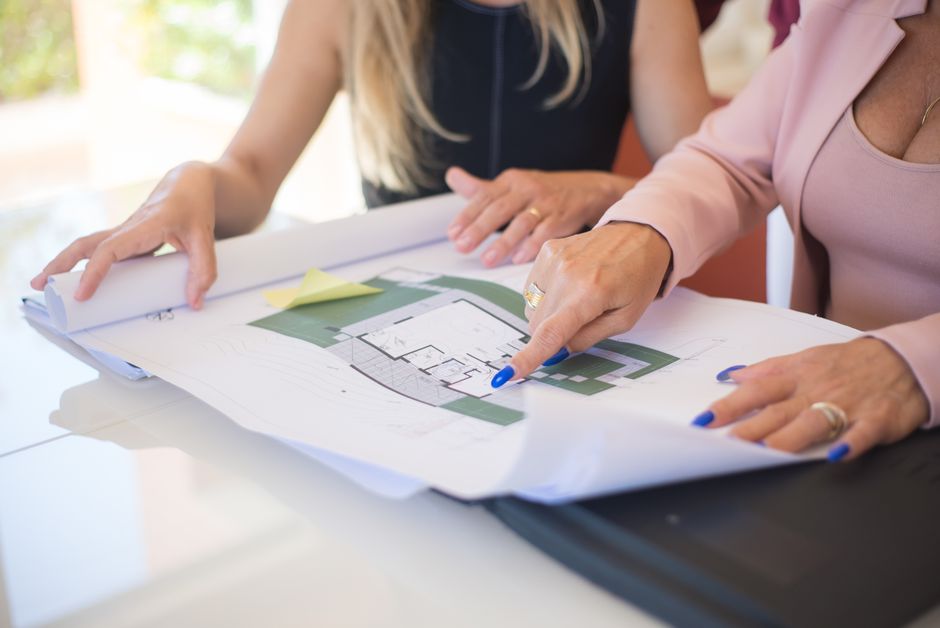
Space planning is a vital aspect of architecture and interior design, impacting how spaces are utilized and experienced. A space planning consultant plays a crucial role in optimizing the functionality and aesthetics of environments, whether in residential, commercial, or industrial settings. This article delves into the importance of space planning consultants, the process they follow, and how their expertise can significantly enhance project outcomes.
Understanding Space Planning
Space planning is the process of organizing furniture, equipment, and other elements within a physical space to maximize its utility and aesthetic appeal. It involves assessing the dimensions and characteristics of a space, as well as the requirements of its intended use. Effective space planning not only improves functionality but also contributes to the overall ambiance of the environment.
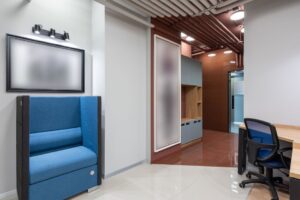
Consultants in this field analyze various factors, such as traffic flow, natural light, and user needs, to create optimized layouts. For instance, in an office setting, a space planning consultant might recommend an open layout to foster collaboration, while also ensuring that private areas are available for focused work.
The Role of a Space Planning Consultant
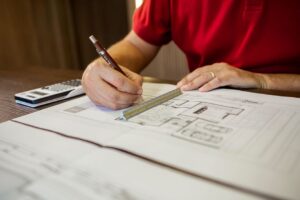
A space planning consultant acts as a bridge between clients and designers, ensuring that the final design aligns with the client’s vision and practical needs. They begin by conducting a thorough site analysis, understanding the client’s goals, and evaluating the existing conditions of the space.
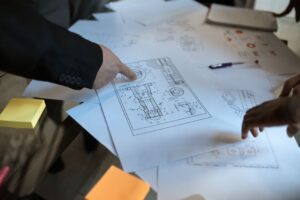
During this phase, the consultant gathers information regarding the intended use of the space, the number of users, and any specific requirements that need to be accommodated. After this assessment, they develop preliminary designs and layout options, presenting them to clients for feedback. This iterative process helps refine the final design to meet the client’s expectations.
Benefits of Hiring a Space Planning Consultant
Engaging a space planning consultant offers numerous benefits, particularly in complex projects where multiple factors must be considered. Firstly, their expertise can lead to better space utilization, ensuring that every square foot serves its purpose effectively. For example, in retail spaces, effective layout can significantly enhance customer experience and increase sales.
Moreover, space planning consultants can help reduce costs by providing insights into efficient material usage and construction practices. By avoiding common pitfalls and leveraging their industry knowledge, they can guide clients toward making more informed decisions.
Case Studies: Successful Space Planning Projects
To illustrate the impact of space planning consulting, let’s examine a few successful projects. One notable case involved a corporate office redesign where the consultant implemented a flexible workspace model. This approach not only improved employee collaboration but also reduced the overall square footage needed for the office, resulting in substantial cost savings.
Another example is a healthcare facility that required a layout conducive to patient flow and staff efficiency. The space planning consultant conducted a detailed analysis of patient movement patterns and proposed a layout that minimized wait times and maximized accessibility. Following the implementation, the facility reported a significant increase in patient satisfaction scores.
Choosing the Right Space Planning Consultant
When selecting a space planning consultant, it is essential to consider their experience and portfolio. Prospective clients should look for consultants who have worked on similar projects and can demonstrate a track record of success. Additionally, effective communication is vital; a consultant should be able to articulate their vision clearly and listen to the client’s needs.
Another crucial factor is the consultant’s approach to collaboration. The best outcomes often arise from a partnership where ideas are exchanged openly and creatively. Clients should seek consultants who are willing to engage in brainstorming sessions and be flexible in adapting to changes throughout the design process.
Conclusion
In conclusion, space planning is an essential component of creating functional and aesthetically pleasing environments. A space planning consultant serves as a valuable resource, guiding clients through the complexities of design while ensuring that their needs are met. By leveraging the expertise of a consultant, clients can enhance their projects, optimize space utilization, and achieve their vision more effectively. For those considering a project, engaging a space planning consultant can be a transformative decision that pays dividends in the long run.