The Rise of Custom Clothing Manufacturers in a Fast-Paced Fashion Industry
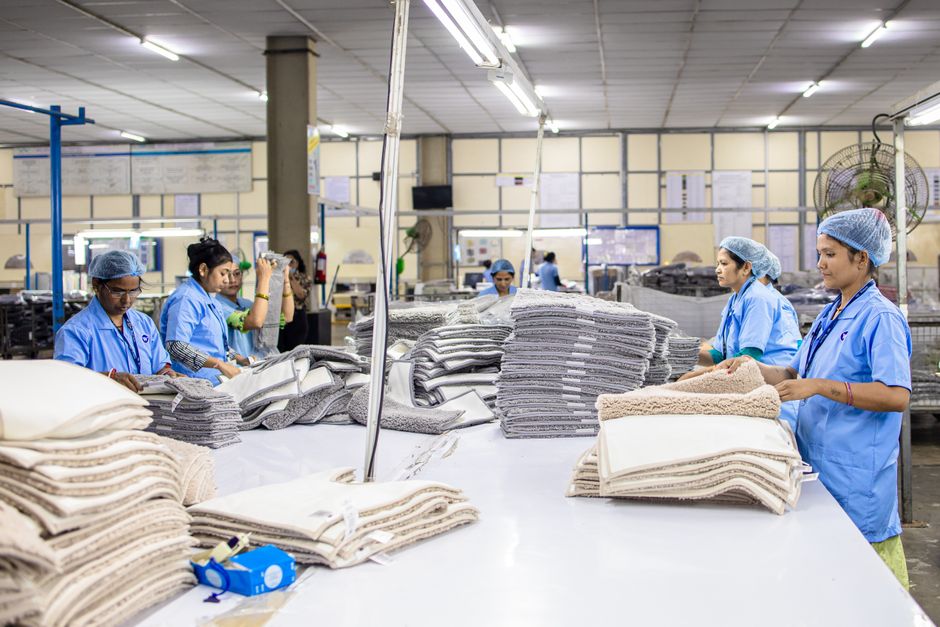
In today’s rapidly evolving fashion landscape, the demand for personalized and unique clothing has surged. Custom clothing manufacturers are at the forefront of this transformation, catering to a diverse clientele that values individuality and quality. As consumers become more conscious of their fashion choices, the role of these manufacturers is becoming increasingly vital.
Understanding Custom Clothing Manufacturing
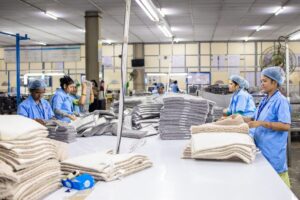
Custom clothing manufacturing refers to the process of producing garments tailored to specific customer requirements. This can range from bespoke tailoring for high-end fashion to small-scale production for niche brands. The essence of custom clothing lies in its ability to provide an intimate connection between the creator and the consumer, allowing for a unique expression of personal style.
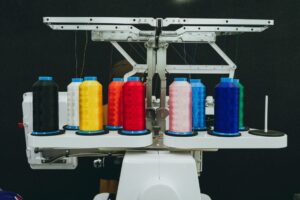
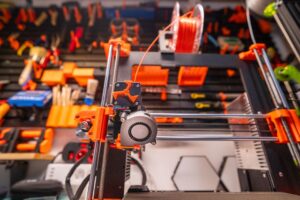
Many custom clothing manufacturers leverage advanced technology, such as 3D printing and digital fabric printing, to create garments that meet precise specifications. This not only enhances the quality of the products but also reduces waste associated with traditional manufacturing processes.
For example, brands like “Indie Apparel” have successfully utilized custom clothing manufacturing to allow customers to design their own apparel, resulting in a one-of-a-kind product that reflects personal style. This shift towards personalization is indicative of a broader trend in the fashion industry, where consumers seek more than just off-the-rack items.
The Benefits of Custom Clothing
The advantages of custom clothing go beyond mere aesthetics. Firstly, custom garments often boast superior quality compared to mass-produced items. With a focus on craftsmanship and attention to detail, these pieces can last significantly longer, providing better value for money.
Moreover, custom clothing allows for better fit and comfort. Off-the-rack clothing often comes with standard sizes that may not accommodate all body types, leading to discomfort. In contrast, custom clothing manufacturers can create garments that fit perfectly, enhancing the wearer’s overall experience.
Additionally, supporting custom clothing manufacturers promotes sustainable fashion. By opting for made-to-order pieces, consumers can help minimize waste and reduce the environmental impact of the fashion industry. This aligns with the growing movement towards ethical consumption, where shoppers are more mindful of their purchasing decisions.
Challenges Faced by Custom Clothing Manufacturers
Despite the numerous benefits, custom clothing manufacturers face several challenges. One major hurdle is the need for effective supply chain management. Unlike mass production, which benefits from economies of scale, custom manufacturing often involves smaller production runs, making it harder to manage costs and inventory.
Furthermore, establishing a strong online presence is crucial for attracting customers in a crowded market. Many custom clothing manufacturers rely on e-commerce platforms to reach their audience, necessitating effective digital marketing strategies.
The competition is also fierce, with many brands vying for a share of the custom clothing market. To stand out, manufacturers must emphasize their unique selling propositions, such as quality, craftsmanship, and customer service.
The Future of Custom Clothing Manufacturing
Looking ahead, the future of custom clothing manufacturing appears promising. As technology continues to advance, manufacturers are likely to adopt innovative methods that enhance efficiency and product quality. This includes utilizing artificial intelligence to predict trends and streamline production processes.
Moreover, the increasing awareness of sustainability in fashion will likely drive more consumers towards custom clothing options. As people seek to reduce their environmental footprint, the demand for sustainable and ethically produced garments will rise.
Brands that successfully adapt to these changes will not only survive but thrive in the evolving fashion landscape. For instance, a custom clothing manufacturer that embraces eco-friendly materials and practices can appeal to the growing market segment that prioritizes sustainability.
Conclusion
Custom clothing manufacturers are reshaping the fashion industry by providing personalized, high-quality garments that cater to the unique needs of consumers. While challenges exist, the benefits of custom clothing, combined with the growing demand for sustainability, position these manufacturers for a bright future. As the industry continues to evolve, those who innovate and adapt will undoubtedly lead the way in this exciting new era of fashion.