Transforming Dining Spaces: The Art of Restaurant Interior Design
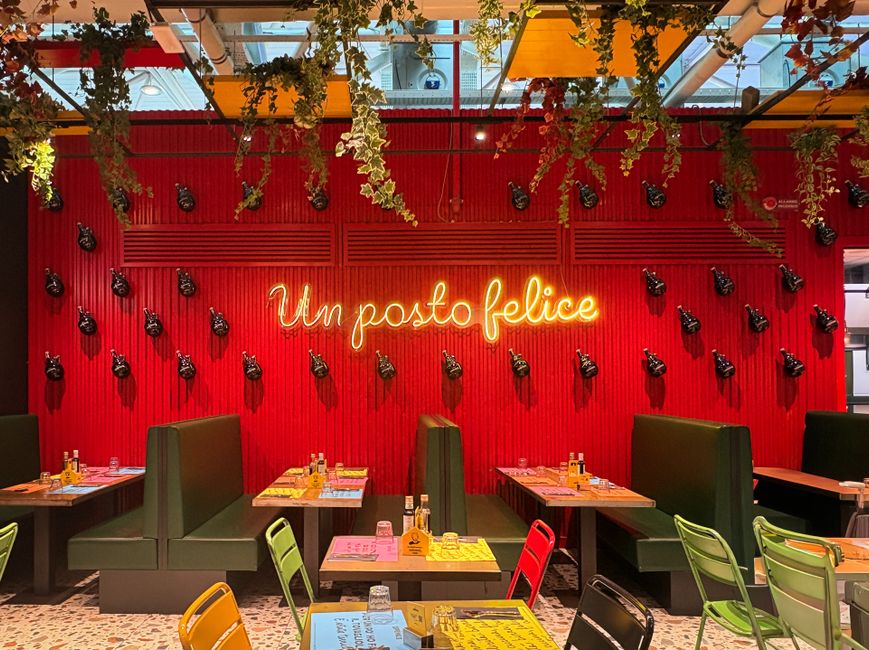
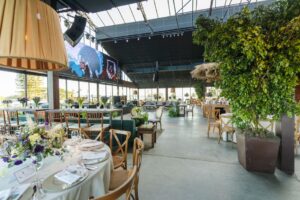
In the competitive world of the restaurant industry, ambiance plays a crucial role in attracting and retaining customers. The design of a restaurant’s interior not only reflects its brand identity but also influences the dining experience. From the colors on the walls to the arrangement of tables, every detail contributes to the overall atmosphere. This article will explore the essential elements of restaurant interior design, highlighting trends, practical tips, and case studies that can inspire restaurateurs and designers alike.
Understanding the Importance of Interior Design
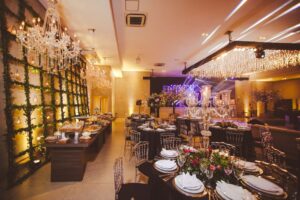
Interior design is more than just aesthetics; it is about creating an environment that enhances the dining experience. A well-thought-out design can evoke emotions, stimulate appetite, and encourage social interactions. For instance, studies have shown that warm colors can increase appetite, while more subdued tones can create a relaxing atmosphere. This balance is crucial for restaurants aiming to provide a memorable customer experience.
Moreover, the physical layout of a restaurant affects how customers interact with the space. Open floor plans can foster a sense of community, while intimate booths may encourage private conversations. Understanding these dynamics is essential for restaurateurs looking to optimize their space.
Key Elements of Restaurant Interior Design
When designing a restaurant, several key elements should be considered:
- Color Scheme: The choice of colors can set the mood of the restaurant. For example, vibrant hues may energize the space, while pastel shades can create a calming effect.
- Lighting: Proper lighting can enhance the dining experience. Dim, warm lighting is often preferred for dinner settings, while bright, natural light can be beneficial for breakfast or lunch.
- Furniture: The selection of furniture should align with the restaurant’s theme. Comfortable seating can encourage guests to linger, increasing the likelihood of additional orders.
Integrating these elements effectively can lead to a cohesive and inviting atmosphere that resonates with customers. Additionally, each element should reflect the restaurant’s brand identity, creating a unique dining experience.
Current Trends in Restaurant Interior Design
The world of restaurant interior design is constantly evolving, influenced by cultural trends and consumer preferences. Currently, several notable trends are shaping the industry:
- Sustainability: Eco-friendly materials and sustainable practices are becoming increasingly important. Restaurants are opting for reclaimed wood, energy-efficient lighting, and biodegradable materials to reduce their environmental footprint.
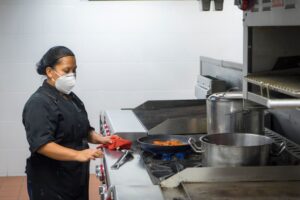
- Open Kitchens: Many restaurants are embracing transparency by incorporating open kitchen designs. This not only engages customers but also showcases the culinary process, enhancing trust and connection.
- Multi-functional Spaces: With the rise of remote work, restaurants are adapting their spaces to accommodate co-working environments, creating versatile areas that can serve multiple purposes.
Keeping up with these trends is essential for restaurant owners who want to remain relevant and appealing to their target audience.
Case Studies of Successful Restaurant Designs
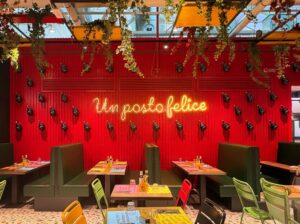
Examining successful restaurant designs can provide valuable insights for aspiring restaurateurs. For example, a popular eatery in New York City, known for its vibrant atmosphere, uses a combination of bold colors, eclectic furniture, and unique art pieces to create an unforgettable dining experience. The restaurant’s design not only attracts a diverse clientele but also encourages social media sharing, effectively marketing the restaurant through customer-generated content.
Another case study involves a fine dining establishment that utilizes minimalist design principles. By focusing on high-quality materials and a simple color palette, the restaurant creates an elegant atmosphere that allows the food to take center stage. This approach has garnered numerous accolades and a loyal customer base.
These examples illustrate that effective restaurant interior design can significantly impact a restaurant’s success, influencing everything from customer satisfaction to brand perception.
Practical Tips for Designing Your Restaurant
For those looking to embark on their own restaurant interior design journey, consider the following practical tips:
- Define Your Brand: Before starting the design process, clearly define your restaurant’s brand identity. This clarity will guide your design choices and ensure consistency.
- Engage Professionals: Collaborating with experienced designers can provide invaluable insights and help bring your vision to life. Their expertise can help navigate challenges and optimize design elements.
- Gather Feedback: Before finalizing your design, gather feedback from potential customers and stakeholders. Their perspectives can provide essential insights that may enhance the overall design.
By following these steps, restaurant owners can create inviting and functional spaces that resonate with their target audience.
Conclusion
Restaurant interior design is a vital aspect of creating a successful dining experience. By understanding the importance of ambiance, focusing on key design elements, and staying informed about current trends, restaurateurs can craft spaces that not only attract customers but also foster loyalty. As the industry continues to evolve, staying adaptable and open to innovative design practices will be crucial for long-term success. For those who wish to delve deeper into the world of restaurant interior design, numerous resources and experts are available to guide the journey.