Unlocking the Future: The Impact of 3D Printing Services
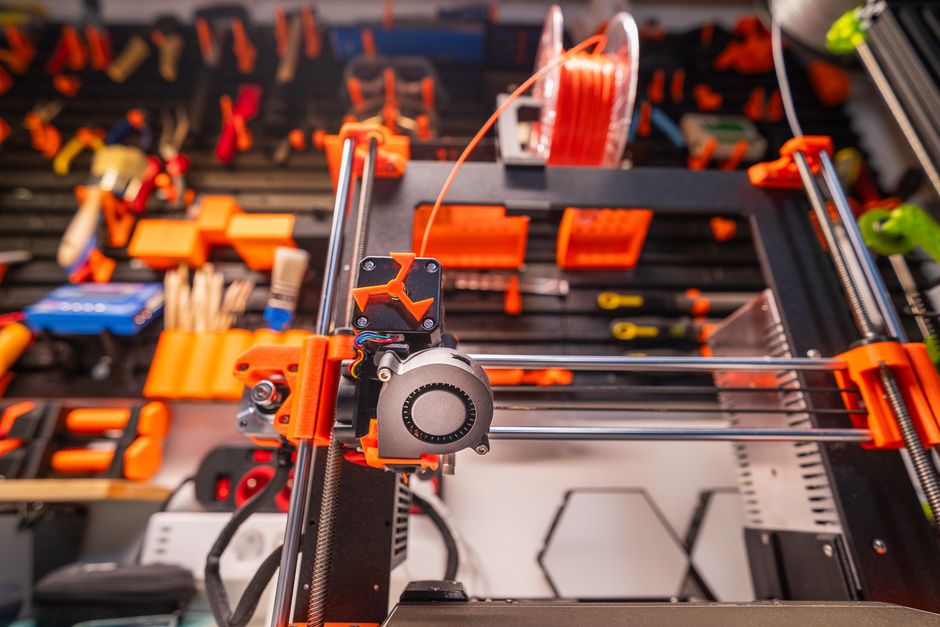
In recent years, 3D printing has transcended its role as a mere hobbyist’s tool and has emerged as a transformative technology in numerous industries. From manufacturing to healthcare, the impact of 3D printing services is profound and growing. As businesses begin to understand the benefits of additive manufacturing, the demand for professional services has surged. This article delves into the various applications, advantages, and future trends surrounding 3D printing services, offering insights for businesses looking to leverage this innovative technology.
Understanding 3D Printing Technology
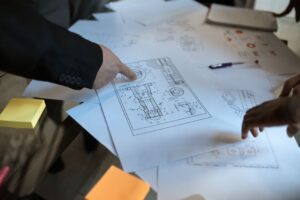
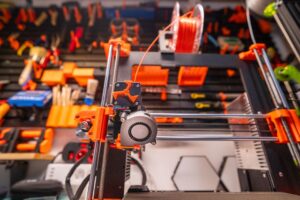
3D printing, also known as additive manufacturing, involves creating three-dimensional objects from a digital file. The process typically begins with designing a model using computer-aided design (CAD) software. Once the design is complete, the 3D printer lays down successive layers of material until the object is fully formed. This technique allows for unprecedented levels of customization and complexity in designs.
There are several different types of 3D printing technologies, including Fused Deposition Modeling (FDM), Stereolithography (SLA), and Selective Laser Sintering (SLS). Each of these methods has its unique advantages, making them suitable for various applications. For example, FDM is often used for prototyping, while SLA is favored for high-resolution models. Understanding these technologies is crucial for businesses seeking to utilize 3D printing services effectively.
Applications Across Industries
The versatility of 3D printing technology means it has found applications across a wide range of industries. In the manufacturing sector, companies are using 3D printing to produce everything from prototypes to final products. This method not only reduces material waste but also shortens production times significantly.
In the healthcare industry, 3D printing is revolutionizing the way prosthetics and medical devices are created. Custom implants and prosthetics tailored to individual patients can be manufactured quickly, improving comfort and functionality. Additionally, bioprinting—where living cells are printed to create tissues—represents a groundbreaking advancement in regenerative medicine.
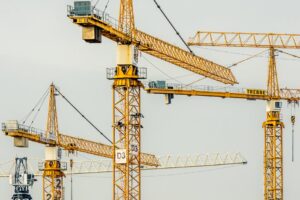
The construction industry is also beginning to embrace 3D printing, with companies exploring the potential to print entire buildings. This approach could drastically reduce construction costs and timeframes, making housing more accessible.
The Economic Benefits of 3D Printing Services
One of the most compelling reasons for businesses to adopt 3D printing services is the economic benefits. Traditional manufacturing processes often involve significant lead times and costs due to tooling and material waste. In contrast, 3D printing minimizes these issues by allowing for rapid prototyping and on-demand production.
Moreover, the ability to produce complex geometries that would be impossible or cost-prohibitive using traditional methods opens new avenues for innovation. Companies can experiment with designs without the financial burden of producing molds or tooling, fostering a culture of creativity and experimentation.
According to a report by Wohlers Associates, the 3D printing industry was worth approximately $12.6 billion in 2020 and is projected to grow to $35.6 billion by 2024, illustrating its increasing importance in the global economy.
Challenges and Considerations
Despite its many advantages, adopting 3D printing services is not without challenges. Intellectual property concerns are significant, as the ease of copying designs can lead to potential infringements. Companies must navigate these legal landscapes carefully to protect their innovations.
Additionally, the quality and reliability of 3D printed products can vary significantly based on the technology and materials used. Businesses must ensure they are working with reputable service providers who adhere to industry standards to avoid issues with product integrity.
Finally, there is a learning curve associated with effectively integrating 3D printing into existing workflows. Companies may need to invest in training and resources to maximize the benefits of this technology.
The Future of 3D Printing Services
The future of 3D printing services looks promising, with continuous advancements in technology and materials. Innovations such as multi-material printing and advancements in bioprinting are set to expand the capabilities of 3D printing even further.
As companies increasingly recognize the importance of sustainability, 3D printing offers a way to reduce waste and create more environmentally friendly production methods. The ability to produce items on-demand can also lead to more efficient supply chains, reducing the need for large inventories.
In conclusion, 3D printing services represent a significant opportunity for businesses looking to innovate and improve their operations. By understanding the technology, its applications, and the potential benefits, companies can position themselves for success in a rapidly evolving landscape.
Conclusion
In summary, the rise of 3D printing services is reshaping the future of manufacturing and design across various industries. The technology’s ability to create customized, complex, and economically viable products is undeniable. As businesses continue to explore the potential of 3D printing, those who embrace this innovative approach will likely lead the charge towards a more efficient and sustainable future.