Elevating Business Spaces: The Role of Commercial Interior Designers
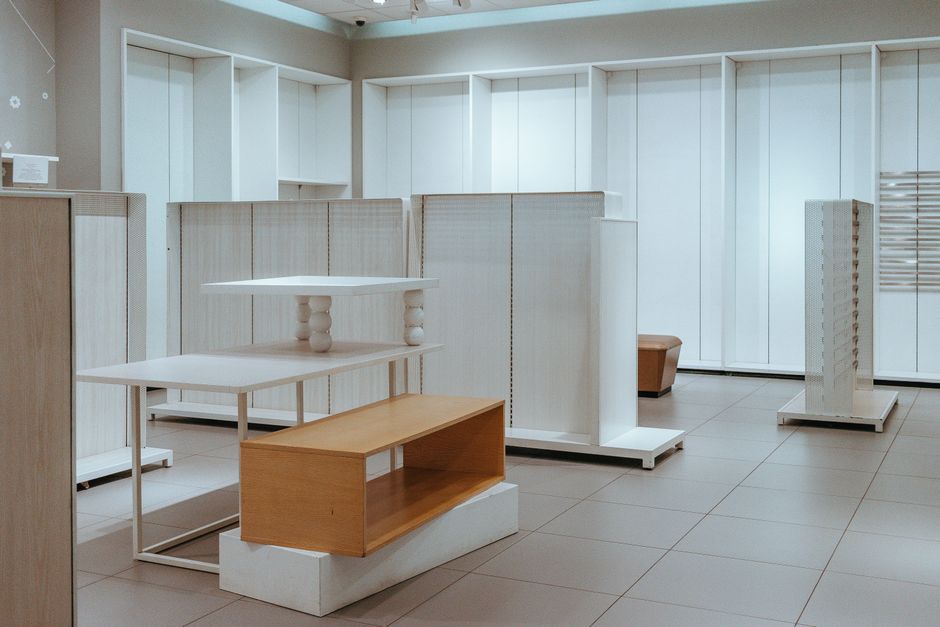
In today’s competitive business landscape, the design of commercial spaces has become paramount. A well-designed office or retail environment can significantly enhance brand perception, employee productivity, and customer satisfaction. This is where the expertise of a commercial interior designer comes into play. These professionals specialize in creating functional and aesthetically pleasing environments tailored to the unique needs of businesses.
Understanding Commercial Interior Design
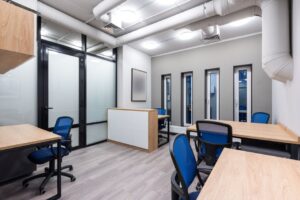
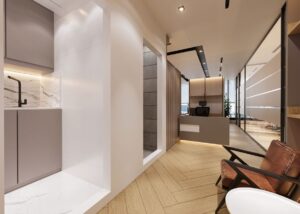
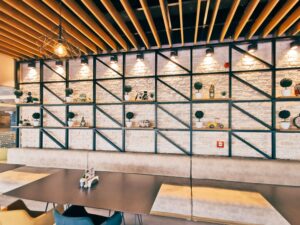
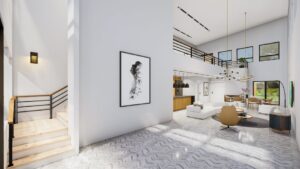
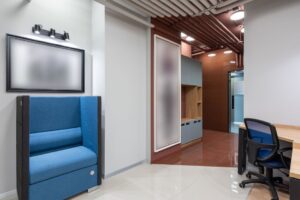
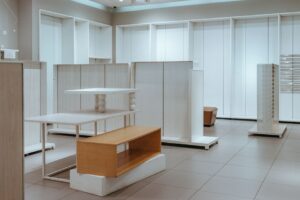
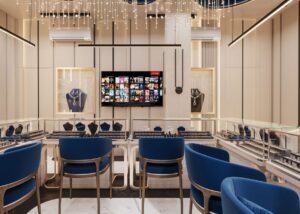
Commercial interior design differs from residential design in various aspects. While residential designers focus on personal taste and comfort, commercial designers must consider factors such as functionality, branding, and compliance with regulations. They work on a wide range of projects, including offices, restaurants, hotels, and retail stores.
The primary goal of commercial interior design is to create spaces that enhance the user experience while reflecting the brand’s identity. This involves selecting appropriate materials, colors, furniture, and layouts that align with the business’s objectives.
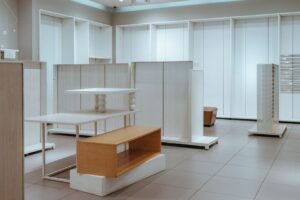
For instance, a tech startup may opt for an open floor plan with collaborative spaces to foster innovation, while a luxury retail store might emphasize elegant design elements that evoke sophistication.
The Design Process
The design process typically begins with a thorough understanding of the client’s vision and requirements. A commercial interior designer will conduct an initial consultation to discuss the project scope, budget, and timeline. This stage often includes site assessments to evaluate the existing conditions of the space.
After gathering the necessary information, designers create conceptual designs that outline the proposed layout, color schemes, and materials. These concepts are then refined based on client feedback, ensuring that the final design meets both aesthetic and functional needs.
Once approved, the designer will oversee the implementation of the design, coordinating with contractors and suppliers to ensure that the project is completed on time and within budget. This hands-on approach helps mitigate potential issues and ensures a smooth execution of the design vision.
Trends in Commercial Interior Design
As businesses evolve, so too do the trends in commercial interior design. Sustainability has become a significant focus, with many companies seeking eco-friendly materials and designs that reduce their carbon footprint. This trend not only benefits the environment but also appeals to consumers who prioritize sustainability in their purchasing decisions.
Another growing trend is the incorporation of technology into interior design. Smart offices equipped with automated systems for lighting, heating, and security are becoming increasingly popular. These advancements not only improve energy efficiency but also enhance the overall user experience.
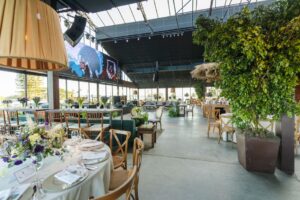
Furthermore, biophilic design, which emphasizes the connection between nature and the built environment, is gaining traction. Incorporating natural elements such as plants, natural light, and organic materials can create calming spaces that promote well-being and productivity.
The Impact on Business Performance
Investing in professional commercial interior design can yield substantial returns for businesses. Studies have shown that well-designed workplaces can boost employee morale, increase productivity, and reduce absenteeism. A survey by the American Society of Interior Designers found that 90% of employees believe that workplace design impacts their job performance.
Moreover, a thoughtfully designed retail space can enhance customer experience, leading to increased sales and customer loyalty. Research indicates that consumers are more likely to make purchases in environments that are visually appealing and comfortable.
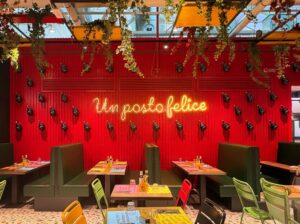
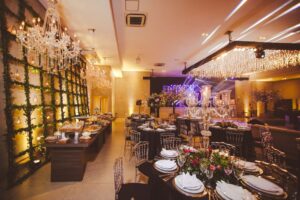
For example, a restaurant that prioritizes ambiance through strategic lighting and layout can create a memorable dining experience, encouraging repeat visits and positive word-of-mouth referrals.
Choosing the Right Designer
Selecting a commercial interior designer is a crucial step in ensuring the success of a project. It is essential to choose a designer with relevant experience and a portfolio that aligns with the desired aesthetic and functionality. Potential clients should seek recommendations, review past projects, and assess the designer’s approach to collaboration and communication.
Moreover, understanding the designer’s process and timeline can help set realistic expectations for the project. A good designer will be transparent about costs, timelines, and potential challenges, ensuring a partnership built on trust and mutual understanding.
Ultimately, the right commercial interior designer can transform a business space into a dynamic environment that reflects the brand’s values and drives success.
Conclusion
In conclusion, the role of a commercial interior designer is integral to creating effective business environments. Their expertise in balancing aesthetics with functionality not only enhances the physical space but also positively impacts employee performance and customer satisfaction. As trends evolve, the importance of thoughtful design will only continue to grow, making it essential for businesses to invest in professional interior design services.