The Essential Guide to Clothing Alteration Services
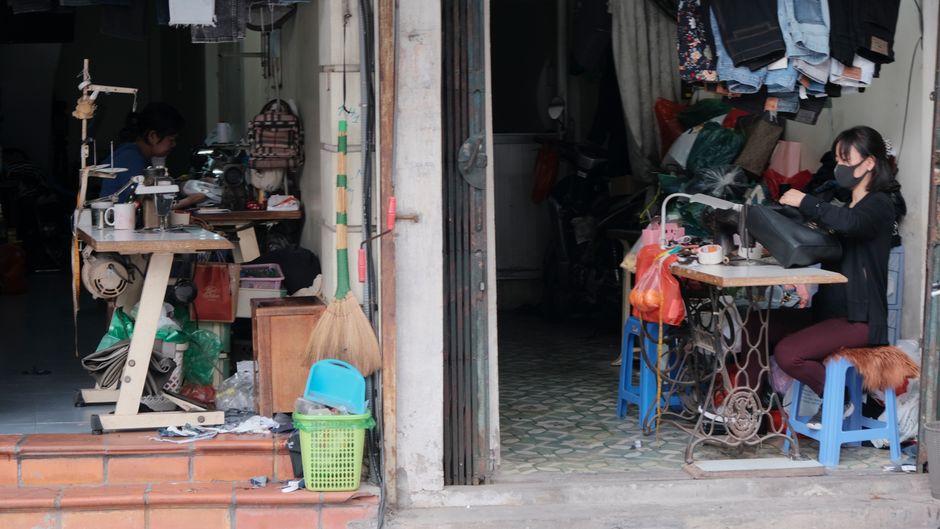
In today’s fast-paced world, clothing alteration services have become an essential part of maintaining a stylish and well-fitted wardrobe. Whether it’s a beloved dress that no longer fits, a new pair of trousers that need shortening, or a suit that requires tweaking for a perfect fit, alteration services can cater to a variety of needs. This article will explore the importance of clothing alterations, the common types of services offered, how to choose the right tailor, and tips for maintaining your garments.
Why Clothing Alterations Matter
Clothing alterations are not just about aesthetics; they also play a crucial role in comfort and confidence. Wearing clothes that fit well can dramatically improve one’s appearance and self-esteem. According to a survey conducted by the Custom Tailors and Designers Association, over 70% of men and women reported feeling more confident in tailored clothing.
Moreover, alterations extend the life of your garments. In a time where sustainability is increasingly important, altering clothes rather than discarding them can significantly reduce waste. This practice not only saves money but also contributes to a more eco-friendly lifestyle.
Furthermore, alteration services can help you make the most out of seasonal trends. For instance, a classic piece can be updated with minor adjustments to align with current fashion trends, ensuring you remain stylish without overspending on fast fashion.
Types of Clothing Alteration Services
Clothing alteration services encompass a wide range of adjustments. Some of the most common types include:
1. Hemming: This is one of the most frequently requested services. Whether it’s pants, skirts, or dresses, hemming ensures that your garment sits perfectly at the desired length.
2. Letting Out or Taking In: This service is essential for garments that are too tight or loose. A skilled tailor can adjust the seams to provide a more flattering fit.
3. Adjusting Sleeves: Whether shortening, lengthening, or tapering, adjusting sleeves can make a significant difference in the overall look of a shirt or jacket.
4. Replacing Zippers: A broken zipper doesn’t mean a garment is beyond repair. Many alteration services specialize in replacing zippers, giving life back to favorite pieces.
5. Custom Tailoring: For those seeking a unique fit, custom tailoring allows for complete personalization from the fabric choice to the fit, ensuring that every detail meets your preferences.
Choosing the Right Tailor
Selecting the right tailor is essential for achieving the best results. Here are some tips on how to find a reputable clothing alteration service:
1. Research: Start by looking for local tailors with good reviews. Websites like Yelp or Google Reviews can provide valuable insights into customer experiences.
2. Ask for Recommendations: Word of mouth can be a powerful tool. Ask friends, family, or colleagues for suggestions based on their personal experiences.
3. Visit the Shop: A visit to the tailor’s shop can give you a sense of their professionalism and the quality of their work. Pay attention to their previous work displayed, and don’t hesitate to ask questions.
4. Check Qualifications: Ensure that the tailor has relevant experience and credentials. A qualified tailor or alteration specialist will be familiar with various fabrics and construction techniques.
5. Discuss Pricing Upfront:
It’s important to know the costs involved before committing to any alterations. Most tailors offer estimates based on the work involved, so be sure to clarify any potential additional charges.
Maintaining Your Altered Garments
Once you’ve had your garments altered, proper maintenance is key to ensuring they last. Here are some tips:
1. Follow Care Instructions: Always adhere to the care labels on your clothing. This includes washing, drying, and ironing instructions that can affect the fit and longevity of your garment.
2. Store Properly: Use appropriate hangers for different types of clothing. For example, padded hangers work best for delicate fabrics, while sturdy wooden hangers are ideal for heavier garments.
3. Regular Inspections: Make it a habit to check your altered clothes periodically. Look for any signs of wear, such as loose threads or seams, and address them promptly to prevent further damage.
4. Revisit Your Tailor: If your body shape changes or if a garment no longer fits as it should, don’t hesitate to return to your tailor for further adjustments.
In summary, utilizing a clothing alteration service can enhance your wardrobe significantly, allowing you to enjoy a perfect fit and extend the life of your favorite pieces. By understanding the importance of these services, recognizing the types available, choosing the right tailor, and maintaining your altered garments, you can ensure that each piece in your closet works for you.
Conclusion
Clothing alteration services are a vital resource for anyone looking to enhance their wardrobe. With a focus on fit, sustainability, and personal style, these services offer significant value. By investing in alterations, you not only improve your appearance but also contribute to a more sustainable fashion industry. Remember to choose a skilled tailor and prioritize the maintenance of your garments to maximize your investment. With these tips in mind, you can confidently navigate the world of clothing alterations and enjoy a wardrobe that truly reflects your style.