Transform Your Space: Essential Home Improvement Tips
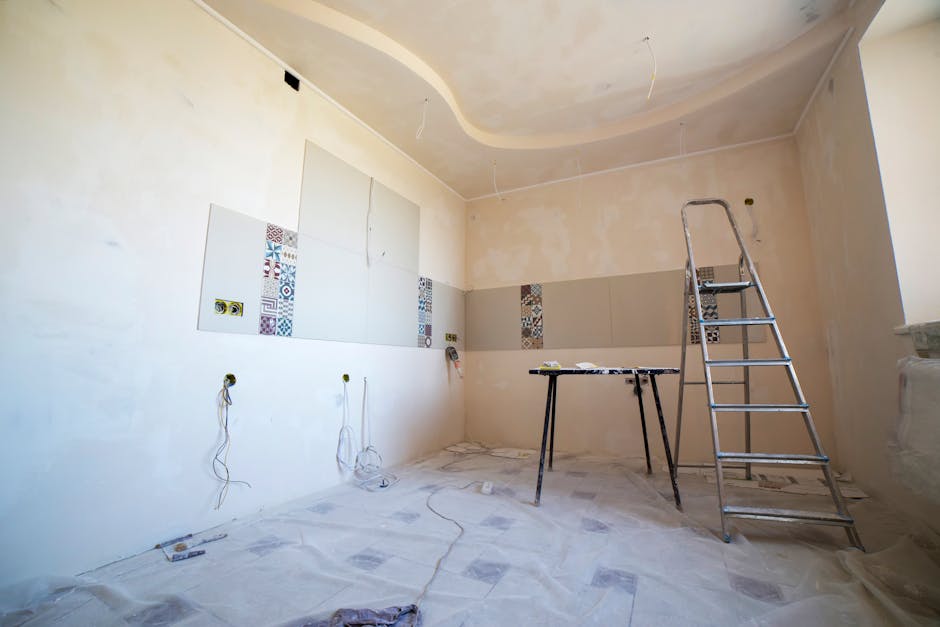
Home improvement is not just about aesthetics; it’s about enhancing functionality, comfort, and sustainability in your living environment. Whether you’re looking to increase the value of your home or simply create a more enjoyable space, understanding the basics of home renovations is essential. This article will provide you with practical tips and insights on various aspects of home improvement, from planning to execution.
Understanding Your Needs
Before embarking on any home improvement project, it’s crucial to assess your needs and preferences. What are the main issues you want to address? Is it a lack of space, outdated fixtures, or energy inefficiency? Taking the time to evaluate your current living situation will help you prioritize your projects effectively.
Consider creating a wish list of improvements you would like to make, including both cosmetic changes and structural upgrades. This list can serve as a guide for your projects and help you budget accordingly. For example, if kitchen renovation is on your list, consider if you need new appliances, cabinetry, or a complete layout change.
Budgeting for Your Projects
One of the most common challenges in home improvement is managing the budget. It’s essential to set a realistic budget that includes not only the cost of materials and labor but also a contingency fund for unexpected expenses. According to a report by the Remodeling Magazine, homeowners should expect to spend approximately 15-20% more than their initial estimates.
When budgeting, be sure to research costs for materials and labor in your area. Websites like HomeAdvisor or Angie’s List can provide insights into average costs for various projects. Additionally, consider whether you will take on any DIY tasks to save money, but be honest about your skill level to avoid costly mistakes.
Choosing the Right Materials
The choice of materials can significantly impact the durability and aesthetic of your home improvement projects. Opting for high-quality materials may seem more expensive initially, but they often provide long-term savings by reducing maintenance and replacement costs. For instance, investing in energy-efficient windows can lower your utility bills over time.
When selecting materials, consider sustainability as well. Eco-friendly options are increasingly available, and using recycled or sustainably sourced materials can enhance your home’s appeal while reducing its environmental impact. For instance, bamboo flooring is a durable and sustainable alternative to traditional hardwood.
Hiring Professionals vs. DIY
Deciding whether to hire professionals or tackle projects yourself can be a major factor in your home improvement journey. While DIY can save money, it can also lead to mistakes if you lack the necessary skills. For example, major electrical or plumbing work is often best left to licensed professionals to ensure safety and compliance with local codes.
On the other hand, smaller projects like painting or landscaping can be excellent DIY opportunities that allow you to personalize your space without breaking the bank. Websites and platforms like YouTube offer extensive tutorials, making it easier than ever to learn new skills. Just remember to assess your time and energy levels before committing to a DIY project.
Staying Trendy: Modern Home Improvement Ideas
Keeping your home stylish and up-to-date is an important aspect of home improvement. Trends come and go, but certain elements tend to remain timeless. For instance, open-concept living spaces continue to be popular, as they promote a sense of connectivity and spaciousness. Additionally, integrating smart home technology can add convenience and efficiency to your daily life.
Another trend is the use of natural light to enhance the mood of your space. Consider adding skylights or larger windows to brighten up darker areas of your home. Furthermore, when it comes to interior design, minimalism is gaining traction, emphasizing functionality and simplicity. This approach can help create a serene environment while reducing clutter.
Conclusion
Home improvement is an ongoing process that requires careful planning, budgeting, and execution. By understanding your needs, managing your budget effectively, choosing the right materials, and knowing when to hire professionals, you can transform your living space into a comfortable, stylish, and functional home. Whether you opt for small DIY projects or major renovations, each improvement adds value and enhances your overall quality of life. As you embark on your home improvement journey, remember to stay informed about trends and best practices to make the most of your investment. Don’t forget to explore resources like this fashion blog for inspiration and ideas that can elevate your home further.