Understanding the Dynamics of Commercial Real Estate

Commercial real estate (CRE) plays a pivotal role in the global economy, serving as the backbone for many businesses and industries. This sector encompasses various property types, including office buildings, retail spaces, warehouses, and multifamily housing. As urbanization and economic activities continue to grow, understanding the nuances of commercial real estate becomes essential for investors, developers, and business owners alike.
The Importance of Location in Commercial Real Estate
One of the fundamental principles in commercial real estate is the significance of location. Properties situated in prime areas tend to attract higher demand and rental prices. For instance, a retail store located in a bustling shopping district can benefit from increased foot traffic and visibility, leading to better sales performance. According to recent studies, properties in urban centers have seen an appreciation of up to 30% over the past decade compared to those in suburban areas.
Moreover, proximity to transportation hubs, such as airports and major highways, can significantly enhance a property’s value. Businesses often seek locations that facilitate easy access for both employees and customers, making strategic location choices critical.
Understanding the Types of Commercial Real Estate
Commercial real estate is generally categorized into several types, each serving different market needs. The primary categories include:
- Office Buildings: These properties are designed for business use, ranging from small offices to large skyscrapers.
- Retail Spaces: Retail properties include shopping malls, standalone shops, and restaurants, where consumer goods and services are sold.
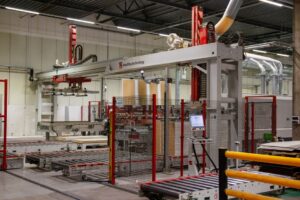
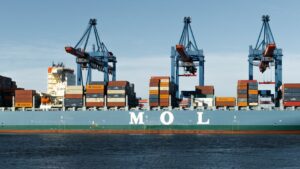
- Industrial Properties: These involve warehouses, manufacturing plants, and distribution centers, playing a crucial role in supply chain management.
- Multifamily Housing: This category includes apartment complexes and condominiums, catering to residential needs while providing commercial opportunities.
Each type of property has its own market dynamics, investment potential, and risk factors. For example, the demand for industrial properties has surged due to the growth of e-commerce, while office spaces are experiencing shifts with the rise of remote work.
Investment Strategies in Commercial Real Estate
Investing in commercial real estate can be lucrative but requires a robust strategy. Investors often consider various approaches, such as:
- Value-Add Investments: This involves purchasing underperforming properties and enhancing their value through renovations or improved management.
- Core Investments: These are typically stable properties in prime locations with minimal risk, appealing to conservative investors.
- Opportunistic Investments: Investors take on higher risks in exchange for potentially higher returns, often investing in distressed properties or markets.
Successful investors conduct thorough market research, analyze property performance metrics, and stay informed about economic trends that can impact the commercial real estate landscape.
The Role of Technology in Commercial Real Estate
Technology is transforming the commercial real estate sector in numerous ways. Innovations such as property management software, virtual tours, and online listings have streamlined processes and enhanced accessibility for both buyers and sellers. Moreover, data analytics plays a crucial role in making informed investment decisions by providing insights into market trends and consumer behavior.
For example, advanced algorithms can predict property value fluctuations based on various economic indicators, helping investors make timely decisions. Additionally, the integration of smart building technologies is becoming increasingly common, as property owners seek to enhance energy efficiency and tenant satisfaction.
Challenges in the Commercial Real Estate Market
Despite its potential, the commercial real estate market faces several challenges. Economic downturns can lead to decreased demand, affecting rental rates and property values. Additionally, regulatory changes and zoning laws can impact development opportunities and operational costs.
Furthermore, the recent pandemic has accelerated shifts in workplace dynamics, with many companies reevaluating their office space needs. As businesses adapt to hybrid work models, the demand for traditional office spaces may continue to fluctuate.
Conclusion
In conclusion, commercial real estate represents a dynamic and essential component of the economy. With its diverse property types and investment strategies, it offers opportunities for growth and profitability. However, navigating this market requires a solid understanding of its complexities, including location importance, investment strategies, and emerging technologies. As the landscape continues to evolve, staying informed and adaptable will be key for investors and businesses alike. For more insights and listings, explore the world of commercial real estate.