The Ultimate Guide to Choosing and Maintaining Your Dryer
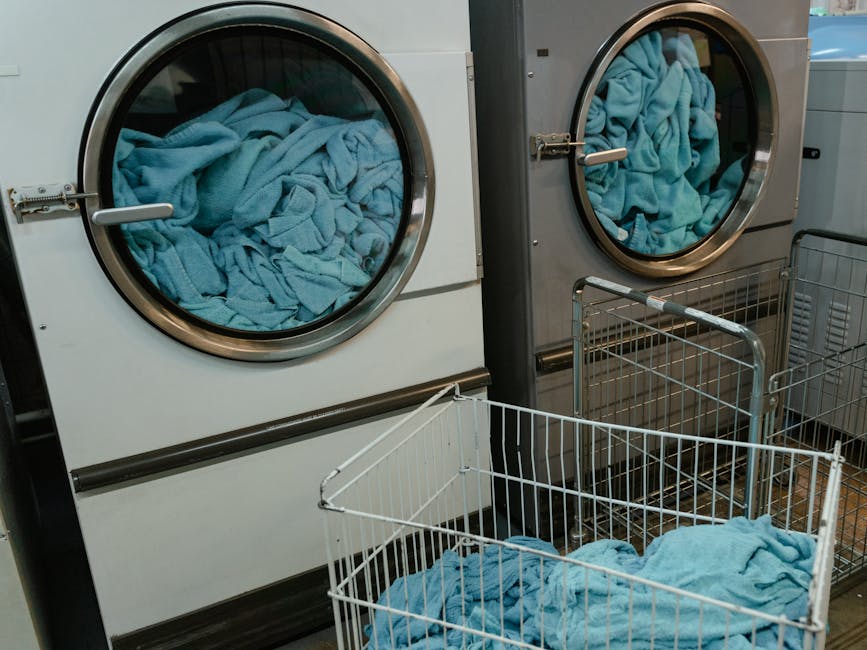
In today’s fast-paced world, a dryer is an essential appliance in many households, saving time and effort in the laundry process. However, with so many options available, choosing the right dryer can be overwhelming. This guide aims to provide you with essential information about different types of dryers, their features, and maintenance tips to ensure longevity and efficiency.
Types of Dryers: Which One is Right for You?
When it comes to dryers, there are primarily two types: vented and condenser dryers. Vented dryers expel hot air outside, making them ideal for homes with proper ventilation. On the other hand, condenser dryers collect moisture from the clothes and convert it back into water, which is then stored in a tank or drained away. This makes them suitable for apartments or homes without an external vent.
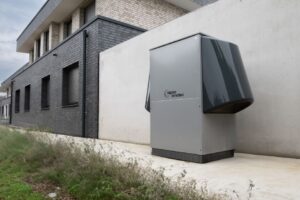
Another option is the heat pump dryer, which uses a refrigerant system to recycle hot air, resulting in lower energy consumption. While they tend to be more expensive than traditional dryers, their energy efficiency can lead to significant savings in the long run.
To help you decide, consider factors such as space, energy efficiency, and budget. For those looking to save on utility bills, a heat pump dryer might be the best investment. Alternatively, if you’re on a tight budget, a basic vented dryer may suffice.
Key Features to Consider
When selecting a dryer, there are several features to keep in mind. Firstly, capacity is crucial—larger households may require a dryer with a bigger drum. Most dryers range from 4 to 9 cubic feet, so choose one that fits your laundry needs.
Additionally, look for features like moisture sensors, which automatically stop the drying cycle when clothes are dry, preventing over-drying and saving energy. Some modern dryers also come with smart technology, allowing you to control and monitor them via smartphone apps.
Don’t forget about additional settings such as steam functions, which can help reduce wrinkles and odors in your clothes. A dryer with multiple drying programs can also cater to various fabric types, ensuring optimal care for your garments.
Maintaining Your Dryer for Longevity
Regular maintenance is key to ensuring your dryer operates efficiently and lasts for years. Start with cleaning the lint filter after every use to improve airflow and reduce the risk of fire. Additionally, it’s essential to clean the dryer vent and ductwork at least once a year to prevent lint buildup, which can lead to overheating.
Periodically check the drum for any foreign objects that could cause damage during the drying cycle. If your dryer starts making unusual noises or shows signs of malfunction, it’s wise to consult a professional for Dryer repair ottawa before the problem escalates.
Moreover, keeping the area around the dryer clean and free of clutter not only enhances safety but also improves efficiency by allowing adequate ventilation.
Common Dryer Problems and Solutions
Even with regular maintenance, you may encounter common issues with your dryer. One frequent problem is the dryer not heating. This could be due to a faulty heating element or a blown thermal fuse. Checking these components can often resolve the issue.
Another common complaint is the dryer taking too long to dry clothes. This can be a result of poor airflow due to a clogged vent or a malfunctioning moisture sensor. Regularly cleaning the vent and ensuring the moisture sensor is functioning correctly can help mitigate this problem.
If your dryer is making loud noises, it could indicate worn-out drum rollers or a broken belt. Addressing these concerns promptly can prevent further damage and costly repairs.
Energy Efficiency and Environmental Impact
Finally, energy efficiency is an important factor to consider when purchasing a dryer. Look for dryers with the ENERGY STAR label, which indicates they meet energy efficiency guidelines set by the U.S. Environmental Protection Agency. Energy-efficient models use less electricity and can save you money on utility bills while also reducing your carbon footprint.
Furthermore, many manufacturers are now focusing on environmentally friendly practices, such as using recyclable materials in their products and reducing water consumption during the drying cycle.
By choosing an energy-efficient dryer, not only do you benefit financially, but you also contribute to a more sustainable future.
Conclusion
In conclusion, selecting the right dryer involves understanding the different types available, their features, and the necessary maintenance to keep them running efficiently. By investing in a quality dryer and taking steps to maintain it, you can enjoy the convenience of clean, dry clothes without compromising on energy efficiency or safety.