Understanding the Role of a Demolition Contractor in Construction Projects
Demolition is a crucial aspect of the construction industry, often serving as the first step in redeveloping land or preparing a site for new construction. A demolition contractor plays an essential role in ensuring that this process is carried out safely and efficiently. In this article, we will explore the responsibilities of a demolition contractor, the types of demolition methods used, and the importance of selecting a qualified professional for your demolition needs.
The Role of a Demolition Contractor
A demolition contractor is responsible for the safe dismantling of structures, including buildings, bridges, and other installations. Unlike general contractors, who manage the entire construction process, demolition contractors specialize in the removal of structures, often using heavy machinery and specialized techniques. Their primary goal is to ensure that the demolition process is completed without accidents, and all debris is disposed of properly.
In addition to physical demolition work, these professionals also handle the necessary permits and ensure compliance with local regulations. This includes conducting environmental assessments and addressing hazardous materials, such as asbestos or lead, that may be present in older buildings. The expertise of a demolition contractor is invaluable in navigating the complexities of these regulations.
Types of Demolition Methods
Demolition methods can vary significantly based on the structure being demolished and the surrounding environment. Common methods include:
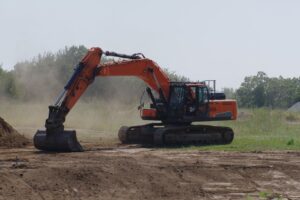
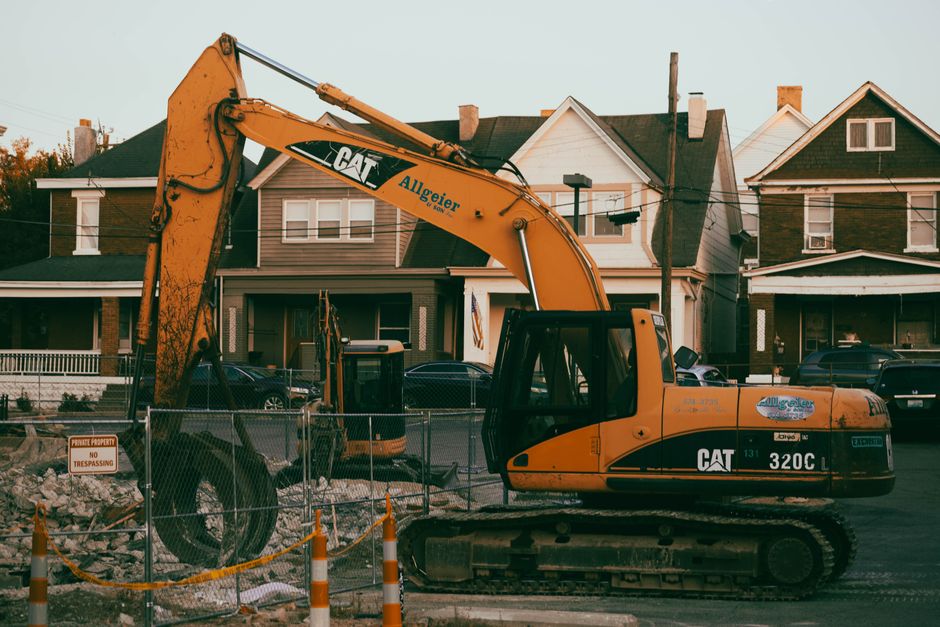
- Mechanical Demolition: This involves the use of heavy machinery, such as excavators and bulldozers, to tear down structures. It is the most common method for larger buildings and can be completed relatively quickly.
- Implosion: For taller structures, controlled explosions may be used to bring a building down in a safe and controlled manner. This method requires extensive planning and expertise to ensure the safety of surrounding areas.
- Deconstruction: This is a more environmentally friendly method that involves carefully dismantling a building to salvage materials for reuse or recycling. It is labor-intensive but can reduce waste significantly.
Each method has its advantages and disadvantages, and a qualified demolition contractor will assess the specific needs of a project to determine the best approach.
Choosing the Right Demolition Contractor
Selecting the right demolition contractor is critical to the success of your project. Here are some factors to consider:
- Experience: Look for a contractor with a proven track record in handling projects similar to yours. Experienced contractors are more likely to anticipate challenges and provide solutions.
- Licensing and Insurance: Ensure that the contractor is appropriately licensed and insured. This protects you from liability in case of accidents or damage during the demolition process.
- References and Reviews: Check for customer testimonials and reviews to gauge the contractor’s reputation. Satisfied clients are often indicative of a reliable service.
One of the best ways to find a reputable contractor is to consult with local construction firms or industry associations. They can provide recommendations based on firsthand experiences.
Environmental Considerations in Demolition
Demolition projects can have significant environmental impacts, which is why many contractors now prioritize sustainability. During the demolition process, a contractor must consider waste management and the potential for recycling materials. For instance, concrete can be crushed and repurposed for new construction or road bases.
Additionally, the presence of hazardous materials, such as lead paint or asbestos, requires special handling. A responsible demolition contractor will have the necessary training and certifications to manage these materials safely, protecting both workers and the environment.
Conclusion
In conclusion, the role of a demolition contractor is vital in the construction industry. They bring specialized knowledge and skills that ensure the safe and efficient dismantling of structures. By understanding the various demolition methods, choosing the right contractor, and considering environmental impacts, you can set your project up for success. For those looking for a reliable demolition contractor, investing time in research and planning will pay off in the long run.