The Art and Science of Perfume: A Journey Through Fragrance
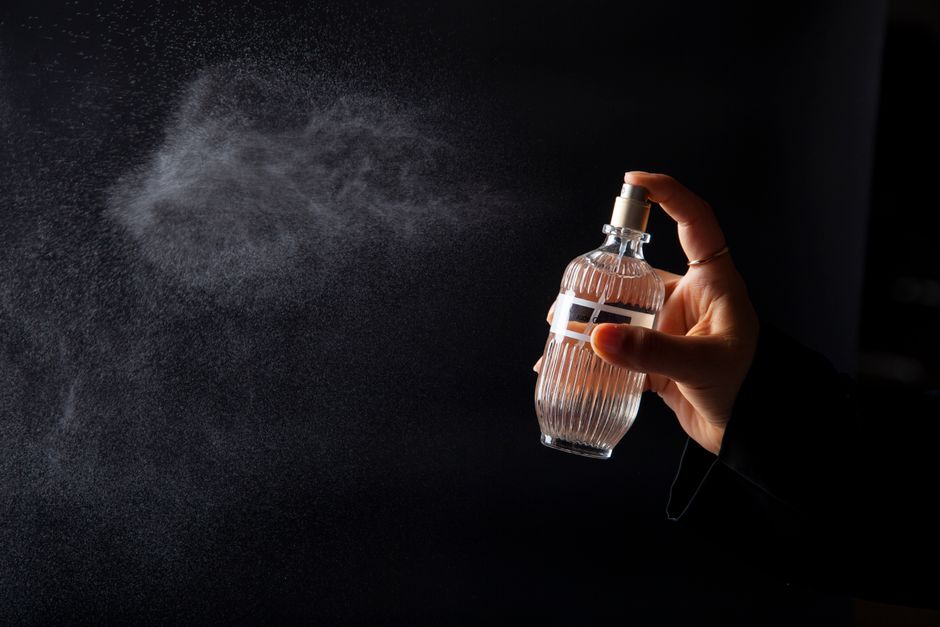
The world of perfume is a captivating blend of art and science, a sensory experience that has enchanted humanity for centuries. From the ancient Egyptians who used fragrant oils in rituals to the modern perfumer crafting complex scent profiles, perfume remains a powerful form of personal expression. But what truly goes into the making of a fragrance?
The History of Perfume
Perfume dates back to ancient civilizations, where it was often associated with religious ceremonies and personal adornment. The Egyptians were pioneers in the creation of scented oils and incense, using them in temples and during mummification processes. As trade routes expanded, the art of perfumery spread to the Greeks and Romans, who embraced scents as a luxury item.
During the Middle Ages, perfume took on new significance; it was used to mask unpleasant odors in a time when personal hygiene was not prioritized. The Renaissance marked a turning point where the craft of perfumery began to flourish, particularly in Italy and France. By the 17th century, perfume had become a staple in European courts, with figures like Catherine de Medici playing a significant role in its popularization.
Today, the perfume industry is a multi-billion dollar global market, with countless brands and an endless variety of scents. The evolution of perfume reflects cultural changes and innovations in chemistry, allowing for the creation of more complex and diverse fragrances.
The Composition of Perfumes
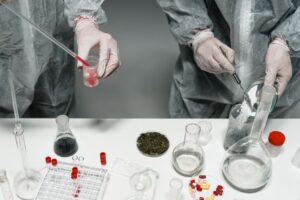
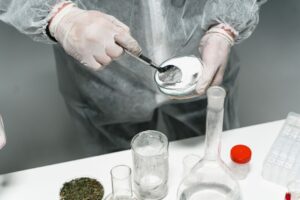
At its core, perfume is a mixture of essential oils, aroma compounds, and solvents. The essential oils are extracted from natural sources such as flowers, fruits, spices, and even woods. The process of extraction can vary, with methods including steam distillation, cold pressing, and solvent extraction.
Perfumes are typically categorized into different fragrance families: floral, oriental, woody, fresh, and more. Each category has its own unique characteristics and can evoke different emotions and memories. For instance, floral scents are often associated with romance and femininity, while woody fragrances can convey warmth and sophistication.
The concentration of aromatic compounds also determines the strength and longevity of the fragrance. Perfumes are classified into various types such as parfum, eau de parfum, eau de toilette, and eau de cologne, each containing varying levels of fragrance oils. This classification helps consumers choose a scent that aligns with their preferences and the occasion.
The Role of a Perfumer
Perfumers, or “noses,” are the artists behind the scents we wear. Their role requires not only a deep understanding of chemistry and the olfactory system but also a creative flair to blend different notes into harmonious compositions. Training to become a perfumer can take years, often involving apprenticeships and formal education in fragrance design.
Many perfumers draw inspiration from their surroundings, travel experiences, and even personal memories. The process of creating a fragrance can begin with a simple idea or emotion, which the perfumer then translates into a scent through careful selection and blending of ingredients.
One renowned perfumer, Francis Kurkdjian, has created iconic fragrances that have left a lasting impact on the industry. His brand, Maison Francis Kurkdjian (MFK), showcases his artistic vision and expertise in perfumery, offering a range of scents that reflect both tradition and modernity.
The Impact of Perfume on Culture
Perfume is more than just a personal accessory; it is a cultural phenomenon that can influence social interactions and perceptions. Different cultures have diverse approaches to fragrance, with some viewing it as a symbol of status and elegance, while others may use it for spiritual or therapeutic purposes.
In some societies, such as in the Middle East, the use of perfume is deeply ingrained in daily life. It is common to see men and women wearing rich, complex scents that signify hospitality and allure. In contrast, Western cultures might opt for lighter, fresher fragrances that align with modern lifestyle trends.
Perfume has also found its place in the world of fashion and advertising. High-profile collaborations between fashion designers and fragrance houses often lead to the launch of signature scents that complement a brand’s identity. The emotional connection people have with fragrances can drive loyalty to brands, making perfume a powerful tool in marketing.
The Future of Perfume
The perfume industry is continuously evolving, driven by trends and innovations in technology. Sustainable practices are becoming increasingly important, with more brands focusing on eco-friendly sourcing of materials and packaging. Consumers are now more aware of the environmental impact of their purchases and are seeking brands that align with their values.
Moreover, the rise of personalized fragrances is changing how people approach scent. Customization options are now available, allowing individuals to create their own unique blends, reflecting their personality and style. This trend is likely to grow as technology advances, making the art of perfumery more accessible to a broader audience.
In conclusion, the world of perfume is a rich tapestry woven from history, culture, and artistry. As we continue to explore the depths of scent, we discover not only the complexity of fragrance but also its profound ability to connect us with our emotions and memories.
Conclusion
Perfume is an enchanting world that blends artistic creation with scientific precision. Understanding its history, composition, and cultural significance allows us to appreciate the complexities behind each fragrance. As we move towards a more sustainable and personalized future, the journey of perfume will undoubtedly continue to evolve, inviting us to explore new olfactory landscapes.