The Future of Sustainable Farming: Exploring Aquaponics Kits
As the world grapples with the challenges of food security and environmental sustainability, innovative farming techniques are becoming increasingly essential. One of the most promising methods to emerge in recent years is aquaponics, a system that combines aquaculture (raising fish) with hydroponics (growing plants in water). In this article, we will delve into the intricacies of aquaponics kits, exploring how they work, their benefits, and what to consider when choosing one for your own home or community.
Understanding Aquaponics
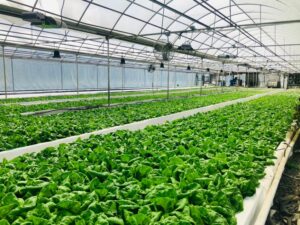
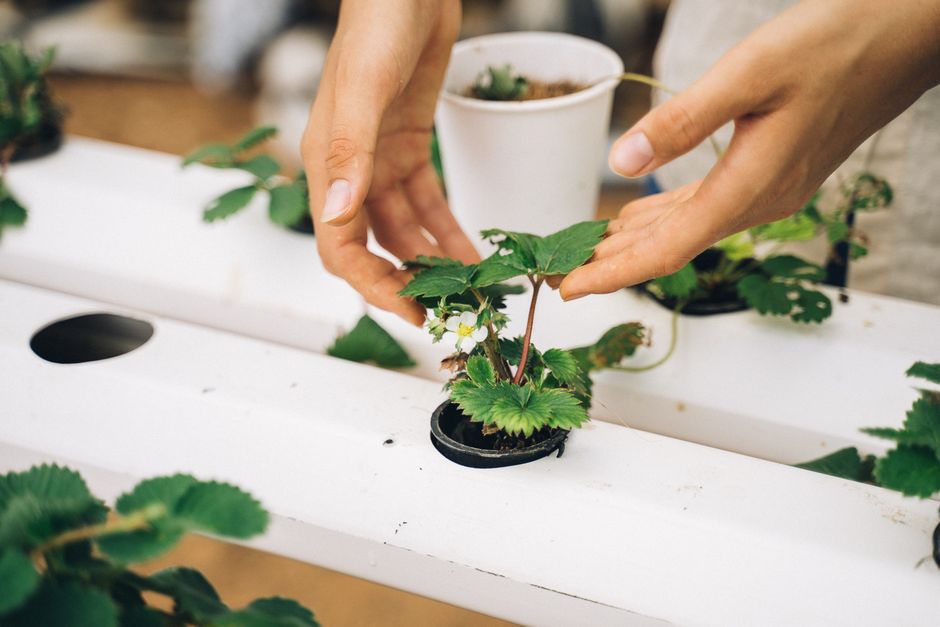
Aquaponics is a closed-loop system where fish and plants coexist and benefit from each other. Fish are raised in tanks, and their waste provides an organic nutrient source for the plants. In turn, the plants help filter and purify the water, which is then recirculated back to the fish tanks. This symbiotic relationship not only maximizes resource efficiency but also minimizes the need for chemical fertilizers and pesticides.
Research shows that aquaponics can produce food at a much higher rate than traditional farming. According to a study conducted by the University of Hawaii, aquaponics can yield up to 10 times more food per square foot compared to conventional agriculture. This statistic underscores the potential of aquaponics kits to revolutionize the way we think about food production.
Moreover, aquaponics systems can be set up in various environments, from small urban apartments to large-scale farms. This flexibility makes it an appealing option for individuals and businesses alike.
Benefits of Aquaponics Kits
Aquaponics kits come with numerous advantages that make them an attractive choice for both novice and experienced gardeners. One of the primary benefits is the conservation of water. Traditional farming methods can consume vast amounts of water, while aquaponics uses about 90% less water due to its closed-loop system. This is particularly crucial in regions facing water scarcity.
Additionally, aquaponics systems are highly productive and can yield fresh vegetables and fish year-round, regardless of the season. This continuous production means that users can enjoy fresh, organic produce without the long wait times associated with traditional gardening.
Furthermore, aquaponics promotes biodiversity. By incorporating various plant species and fish, users can create a mini-ecosystem that supports a range of life forms, which can be beneficial for the environment. For those interested in sustainable living, aquaponics kits represent a step towards reducing one’s carbon footprint.
Choosing the Right Aquaponics Kit
When selecting an aquaponics kit, several factors should be considered to ensure the best fit for your needs. First, assess the available space. Kits come in various sizes, from small countertop systems to larger setups suitable for backyards or community gardens. Understanding your space constraints is crucial for making an informed decision.
Next, consider your budget. Aquaponics kits can range from affordable DIY options to more expensive, fully automated systems. It’s essential to find a balance between quality and cost, ensuring that the kit you choose meets your needs without breaking the bank.
Additionally, look for kits that provide comprehensive support and resources. Many reputable aquaponics suppliers offer guides, tutorials, and customer service to help you get started. For instance, investing in a well-reviewed aquaponics kit can provide you with the necessary tools and knowledge to succeed.
Common Challenges and Solutions
While aquaponics offers numerous benefits, it is not without its challenges. One common issue is maintaining the balance between fish and plant populations. If the fish population is too high, it can lead to an excess of waste, which may overwhelm the plants. Conversely, if the fish population is too low, the nutrient levels may drop, resulting in poor plant growth.
To mitigate these challenges, it’s essential to monitor water quality regularly. Test kits can help you measure pH levels, ammonia, nitrates, and other essential parameters. Maintaining optimal water conditions is vital for the health of both fish and plants.
Another potential challenge is pest management. Although aquaponics systems are less prone to pests compared to traditional gardens, they are not immune. Implementing integrated pest management strategies, such as introducing beneficial insects or using organic treatments, can help keep your system healthy.
Conclusion: Embracing the Aquaponics Revolution
Aquaponics kits represent a significant advancement in sustainable farming, offering an innovative way to produce food while conserving resources. With their numerous benefits, including water conservation, year-round production, and biodiversity promotion, aquaponics systems are well-suited for our increasingly urbanized world.
As more individuals and communities embrace this method, the potential for aquaponics to transform food production becomes clearer. By choosing the right aquaponics kit and understanding how to maintain it, anyone can embark on a journey toward sustainable living and contribute to a greener future.