The Rising Importance of EV Battery Suppliers in the Automotive Industry
The automotive industry is undergoing a significant transformation with the shift towards electric vehicles (EVs). Central to this evolution is the role of EV battery suppliers, whose contributions are pivotal in ensuring the efficiency and sustainability of electric mobility. As the demand for EVs continues to surge, understanding the dynamics of EV battery suppliers becomes crucial for manufacturers, consumers, and policymakers alike.
Understanding the EV Battery Market
The global market for electric vehicle batteries has witnessed exponential growth over the past decade, driven by increasing environmental regulations and consumer demand for cleaner transportation solutions. According to a recent report, the market for EV batteries is expected to reach approximately $100 billion by 2025, with a CAGR of about 20% from 2020 to 2025. This rapid growth underscores the importance of identifying reliable and innovative EV battery suppliers that can meet the rising demand.
Key players in the industry include established automotive manufacturers and specialized battery producers. Companies like Tesla, Panasonic, and LG Chem have become household names in the battery supply chain. Their investments in research and development have significantly enhanced battery technology, improving energy density and reducing costs.
Additionally, new entrants and startups are emerging, focusing on niche markets such as solid-state batteries and recycling technologies. This diversification is beneficial as it fosters competition, leading to advancements in battery performance and affordability.
Key Features of EV Batteries
Modern EV batteries are designed with several critical features that enhance the overall performance of electric vehicles. These include high energy density, rapid charging capabilities, and long cycle life. Energy density, measured in watt-hours per kilogram (Wh/kg), is particularly important as it determines how far an EV can travel on a single charge.
Current lithium-ion batteries offer an energy density of around 150-250 Wh/kg, but ongoing research is targeting advancements that could push this figure significantly higher. Companies investing in solid-state technology, for instance, claim potential energy densities exceeding 500 Wh/kg, which would revolutionize the EV market.
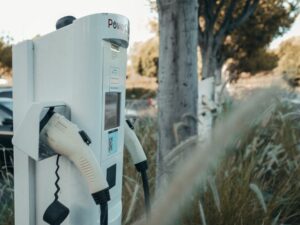
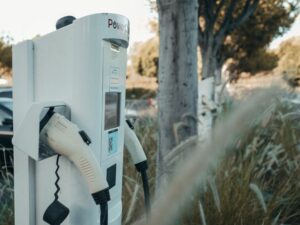
Furthermore, the ability to charge quickly has become a major selling point for consumers. Fast-charging technologies are essential for reducing range anxiety, a common concern among potential EV buyers. Innovations such as ultra-fast chargers that can provide an 80% charge in under 30 minutes are already being rolled out in various markets.
Supply Chain Challenges
Despite the promising growth of the EV battery market, several challenges persist within the supply chain. One of the most pressing issues is the sourcing of raw materials such as lithium, cobalt, and nickel, which are essential for battery production. The extraction and processing of these materials often raise ethical and environmental concerns, leading to increased scrutiny from consumers and regulators.
Moreover, geopolitical factors can also impact the stability of the supply chain. For instance, the majority of lithium production is concentrated in specific regions such as South America and Australia, making the supply vulnerable to political instability and trade disputes.
To mitigate these risks, many manufacturers are exploring alternative materials and recycling strategies. Investing in local supply chains and diversifying sources of raw materials are becoming common practices among leading EV battery suppliers.
Future Trends in EV Battery Technology
The future of EV battery technology holds exciting possibilities that could further revolutionize the automotive industry. One of the most anticipated advancements is the development of solid-state batteries, which promise higher energy densities, faster charging times, and improved safety over traditional lithium-ion batteries.
Additionally, the integration of artificial intelligence (AI) and machine learning into battery management systems is expected to optimize performance and prolong battery life. AI-driven algorithms can monitor and analyze battery usage patterns, enabling predictive maintenance and enhancing overall efficiency.
Another trend to watch is the increasing emphasis on sustainability within the battery supply chain. Manufacturers are prioritizing the creation of closed-loop systems where batteries can be recycled and repurposed, reducing waste and conserving resources.
Conclusion
As the automotive industry continues to transition towards electric vehicles, the role of EV battery suppliers will be more critical than ever. Understanding the complexities of the battery market, including its challenges and future trends, is essential for stakeholders in the automotive ecosystem. With ongoing innovations and a focus on sustainability, the future looks promising for both manufacturers and consumers in the electric vehicle space.