Understanding the Importance of Drug Testing Services
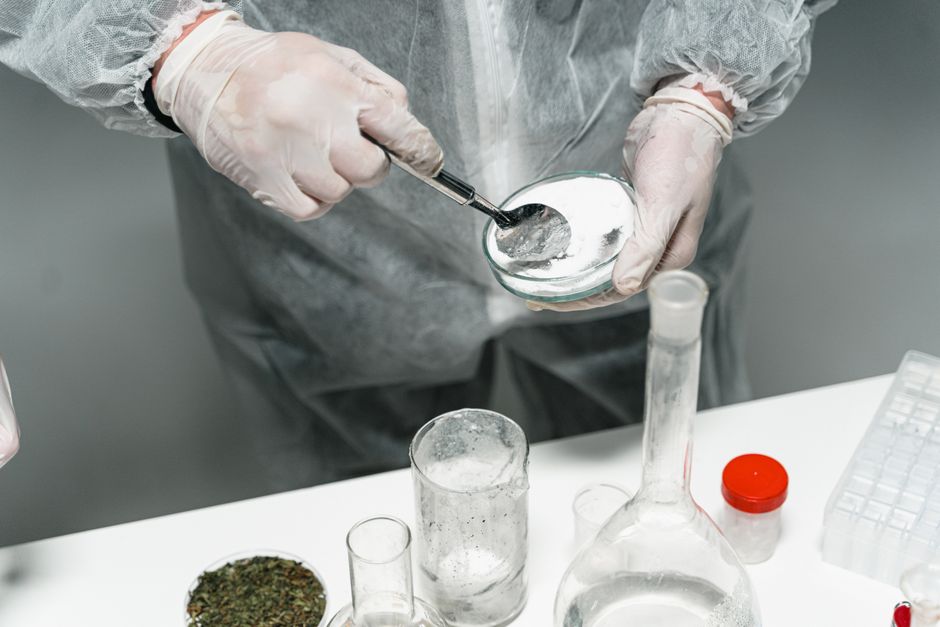
In today’s fast-paced and ever-evolving work environment, ensuring a safe and drug-free workplace is more critical than ever. Employers are continually seeking methods to maintain the integrity of their workforce and ensure a healthy work environment. One of the most effective ways to achieve this is through reliable drug testing services. This article delves into the various facets of drug testing services, their significance, and how they can benefit organizations in multiple ways.
What Are Drug Testing Services?
Drug testing services typically involve a series of procedures and protocols designed to identify the presence of drugs or alcohol in an individual’s system. These services can be utilized in various settings, including workplaces, schools, and even for legal purposes. The tests can vary in complexity and can include urine, blood, hair, and saliva testing.
According to research, approximately 70% of substance abusers are employed, highlighting the necessity for employers to implement drug testing protocols as a preventive measure. By engaging in a drug testing service, organizations can mitigate risks associated with substance abuse in the workplace.
The Benefits of Drug Testing Services
Implementing drug testing services offers numerous advantages for employers. Firstly, it significantly enhances workplace safety. With reduced incidents of accidents and injuries related to substance abuse, companies can create a safer environment for all employees.
Moreover, drug testing can improve overall productivity. Employees who are not under the influence of drugs are more likely to perform efficiently and meet deadlines. According to studies, workplaces that have regular drug testing programs report a 30% decrease in absenteeism.
Additionally, drug testing can help in upholding a company’s reputation. Organizations that prioritize a drug-free workplace often attract more talent and maintain better employee morale. By demonstrating a commitment to employee health and safety, companies can foster a positive workplace culture.
Common Types of Drug Tests
There are several types of drug tests that organizations can implement depending on their specific needs. Urine testing is the most common method used due to its cost-effectiveness and non-invasive nature. It can detect a variety of substances, including marijuana, cocaine, and opiates.
Another popular method is hair testing, which can provide a longer detection window, often up to 90 days. This method is particularly useful for employers who want to monitor long-term drug use. Saliva testing is also gaining popularity due to its quick results and ease of administration.
Each testing method has its pros and cons, and employers should choose based on their unique requirements and circumstances. A comprehensive understanding of these methods will allow organizations to make informed decisions regarding their drug testing policies.
Legal and Ethical Considerations
While drug testing is essential for maintaining workplace safety, it is also crucial to consider the legal and ethical implications involved. Employers must comply with federal and state regulations regarding drug testing, including obtaining consent from employees before conducting tests.
Moreover, ethical considerations should be at the forefront of any drug testing policy. Employers should ensure that their policies are applied consistently and fairly across all employees to avoid discrimination or bias. Transparency in the process and clear communication of the policies can help alleviate concerns among employees.
Implementing an Effective Drug Testing Policy
To establish a successful drug testing program, organizations should start by defining clear objectives. Understanding the purpose of the testing—whether for pre-employment, random testing, or post-accident—will help shape the policy.
Furthermore, it is vital to select a reputable drug testing service provider that adheres to industry standards and regulations. Employers should also provide ongoing training for supervisors and HR personnel to ensure they understand the implications of testing and how to handle situations appropriately.
Finally, regular reviews of the drug testing policy are essential to ensure it remains relevant and effective in addressing the needs of the organization and its employees. Continuous improvement will help maintain a drug-free workplace.
Conclusion
In conclusion, drug testing services play a pivotal role in fostering a safe and productive workplace. By implementing a robust drug testing policy, employers can significantly reduce risks associated with substance abuse, improve employee morale, and enhance overall workplace safety. As organizations navigate the complexities of maintaining a drug-free environment, understanding the various aspects of drug testing services will prove invaluable.