Essential Supplies for Thriving Organic Farming
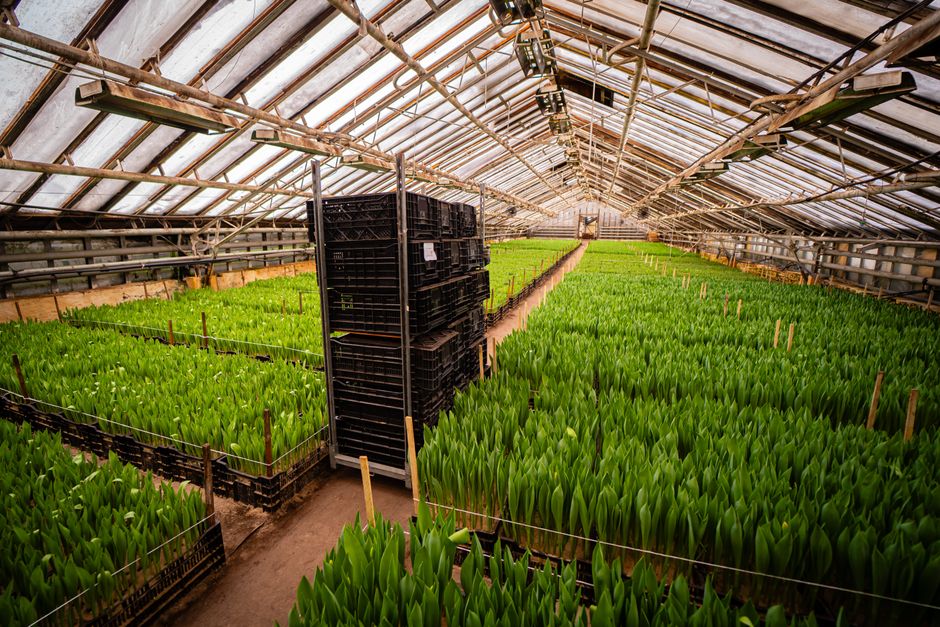
In recent years, organic farming has gained immense popularity as consumers become more aware of the benefits of sustainable agriculture. The shift towards organic practices not only promotes healthier eating habits but also supports environmental conservation. However, to successfully embark on an organic farming journey, it is crucial to understand the essential supplies required for optimal growth and sustainability. This article delves into the various aspects of organic farming supplies, providing insights into what is necessary for both novice and experienced farmers.
Understanding Organic Farming Supplies
Organic farming supplies encompass a wide range of products and materials that facilitate the cultivation of crops without the use of synthetic fertilizers and pesticides. These supplies are designed to support natural processes, ensuring that farming practices are environmentally friendly and sustainable. Essential supplies include organic seeds, natural fertilizers, pest control solutions, irrigation equipment, and soil amendments.
When selecting organic farming supplies, it is important to prioritize quality and certification. Many products on the market claim to be organic, but not all meet the rigorous standards set by organic certification bodies. Farmers should look for products that carry official organic certification to ensure they are using legitimate organic supplies.
Organic Seeds: The Foundation of Sustainable Farming
The foundation of any successful organic farm begins with high-quality organic seeds. These seeds are non-GMO and bred to thrive in organic conditions, making them more resilient to pests and diseases. Choosing the right seeds is crucial, as they directly impact crop yield and quality.
Farmers should consider factors such as local climate, soil type, and market demand when selecting seeds. Additionally, many organic seed suppliers offer heirloom varieties, which can provide unique flavors and increased biodiversity. By investing in organic seeds, farmers can ensure they are starting their crops on the right foot.
Natural Fertilizers and Soil Amendments
Soil health is paramount in organic farming, and natural fertilizers play a significant role in maintaining it. Organic fertilizers, such as compost, manure, and bone meal, enrich the soil with vital nutrients without harming the ecosystem. These fertilizers improve soil structure, enhance microbial activity, and promote sustainable nutrient cycling.
In addition to fertilizers, farmers often use soil amendments to correct deficiencies in soil composition. Products like rock phosphate and greensand can improve soil fertility, while amendments like lime can adjust soil pH. Utilizing a combination of natural fertilizers and amendments can lead to healthier plants and a more productive farm.
Effective Pest Management Solutions
One of the biggest challenges in organic farming is managing pests without the use of synthetic pesticides. Fortunately, there are numerous organic pest control solutions that are both effective and environmentally friendly. These include neem oil, insecticidal soap, and beneficial insects like ladybugs and predatory mites.
Crop rotation and companion planting are also vital practices in organic pest management. By rotating crops, farmers can disrupt pest life cycles, while companion planting can deter pests naturally. For example, planting marigolds alongside vegetables can help repel nematodes and other harmful insects.
Irrigation and Water Management
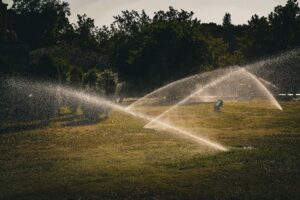
Efficient water management is essential for any farming operation, especially in organic farming where water quality is critical. Organic farmers should invest in irrigation systems that minimize water waste and promote healthy plant growth. Drip irrigation is a popular choice as it delivers water directly to the plant roots, reducing evaporation and runoff.
Additionally, rainwater harvesting systems can provide a sustainable water source for organic farms. Collecting rainwater not only conserves resources but also reduces reliance on municipal water supplies. Implementing effective irrigation practices ensures that crops receive the necessary moisture to thrive while promoting sustainability.
Conclusion: Building a Successful Organic Farming Operation
In conclusion, starting and maintaining a successful organic farm requires careful consideration of various supplies and practices. From selecting high-quality organic seeds to implementing natural pest management solutions, every aspect plays a vital role in creating a thriving agricultural ecosystem. By prioritizing sustainable materials and methods, farmers can contribute to a healthier planet while producing nutritious food for consumers. Investing in the right organic farming supplies is not just about growing crops; it’s about fostering a sustainable future for generations to come.