The Essential Guide to Clothing Alteration Services
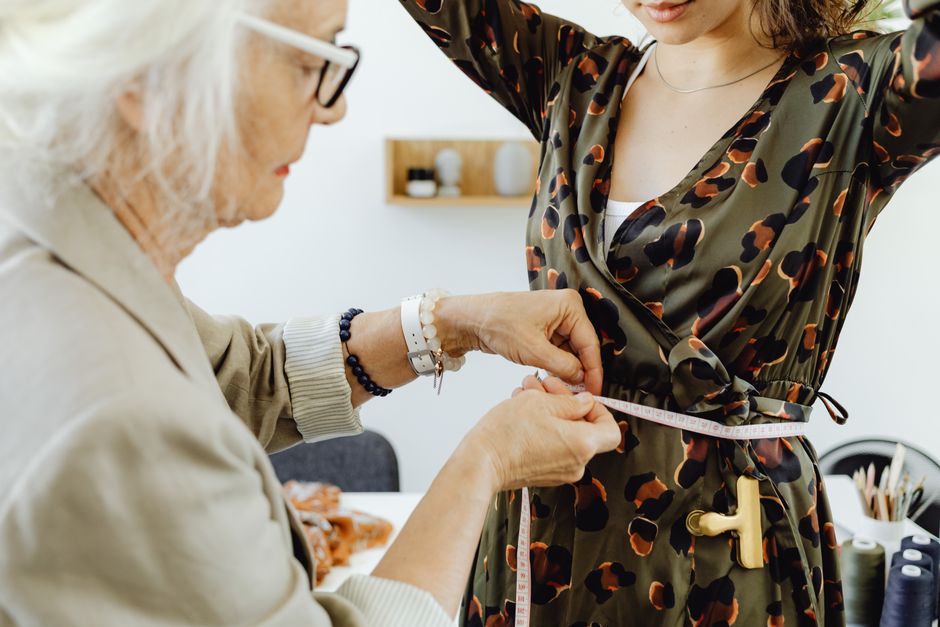
In an era where fast fashion dominates, the importance of clothing alteration services remains undiminished. Alterations offer a practical solution to enhance the fit and longevity of garments, ensuring that they align perfectly with individual body shapes and personal styles. This article delves into the world of clothing alteration services, exploring their significance, the different types of alterations available, and tips for finding the right service provider.
Understanding Clothing Alterations
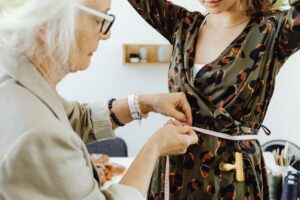
Clothing alterations refer to the process of modifying a garment to better suit the wearer’s dimensions or preferences. This can include adjustments such as hemming pants, taking in or letting out seams, and altering sleeves. The primary goal is to improve fit and comfort, transforming off-the-rack clothing into custom-fitted pieces.
According to a survey conducted by the Fashion Institute of Technology, nearly 70% of consumers have clothes in their closets that require alterations. This statistic highlights the commonality of fitting issues, making alteration services not just a luxury, but a necessity for many.
Additionally, alterations can extend the life of your clothing. Instead of discarding ill-fitting garments, alterations breathe new life into them, promoting sustainability in fashion. This is particularly relevant in today’s context where environmental concerns are increasingly at the forefront of consumer choices.
Types of Alterations
There are various types of clothing alterations, each addressing specific issues:
1. Hemming: This is one of the most common alterations. It involves shortening or lengthening the hem of skirts, pants, or dresses. Hemming ensures that clothing falls at the right length, enhancing the overall appearance.
2. Taking In/Letting Out: This involves adjusting the seams of a garment to make it smaller or larger. Clothing can stretch or shrink over time, and these adjustments help maintain a flattering fit.
3. Sleeve Adjustments: Altering sleeve length or width can significantly change the fit and style of a garment. This is particularly important for jackets and blouses.
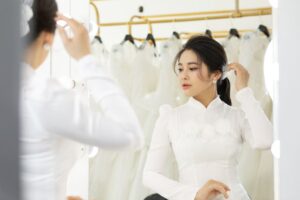
4. Tailoring for Special Occasions: Custom alterations for events like weddings or proms ensure that outfits fit perfectly, providing comfort and confidence on special days.
Each of these alterations requires a skilled tailor who understands the nuances of fabric and design. Finding a reliable service provider is essential for achieving the desired results.
Finding the Right Alteration Service
When searching for a clothing alteration service, consider the following tips:
1. **Research and Reviews:** Start by looking at online reviews and ratings. Websites like Yelp and Google Reviews provide insights into the experiences of previous customers.
2. **Consultation:** Many alteration services offer consultations. This is an excellent opportunity to discuss your needs, ask questions, and gauge the tailor’s expertise.
3. **Portfolio:** A reputable tailor should have a portfolio showcasing their work. This gives you an idea of their skill level and the types of alterations they specialize in.
4. **Pricing:** While cost shouldn’t be the sole factor, understanding the pricing structure is important. High-quality work may come at a premium, but it often pays off in the long run.
5. **Turnaround Time:** Consider how quickly you need your alterations. Some shops may offer express services for urgent needs.
For those interested in exploring tailored solutions, a reliable clothing alteration service can make a world of difference.
DIY Alteration Tips
For those who are crafty, some alterations can be done at home. Here are some DIY tips:
1. Simple Hemming: Use fabric glue or a sewing machine to hem pants or skirts. This can be a quick fix for minor length issues.
2. Adjusting Waistbands: If a waistband is too loose, consider adding a belt or using elastic to create a better fit.
3. Button Replacement: Changing buttons can refresh an old garment and provide a custom touch.
While DIY alterations can be satisfying, be cautious. If you’re unsure about your sewing skills, it’s often best to consult a professional.
Conclusion
Clothing alteration services play a vital role in the fashion industry, offering solutions that promote sustainability and personalized style. As consumers become more aware of their clothing choices, the demand for skilled tailors will likely continue to grow. Whether you opt for professional services or take on minor alterations yourself, understanding the importance and benefits of clothing alterations can enhance your wardrobe and provide a more tailored fit.