The Art of Crafting Handmade Pizza: A Culinary Journey
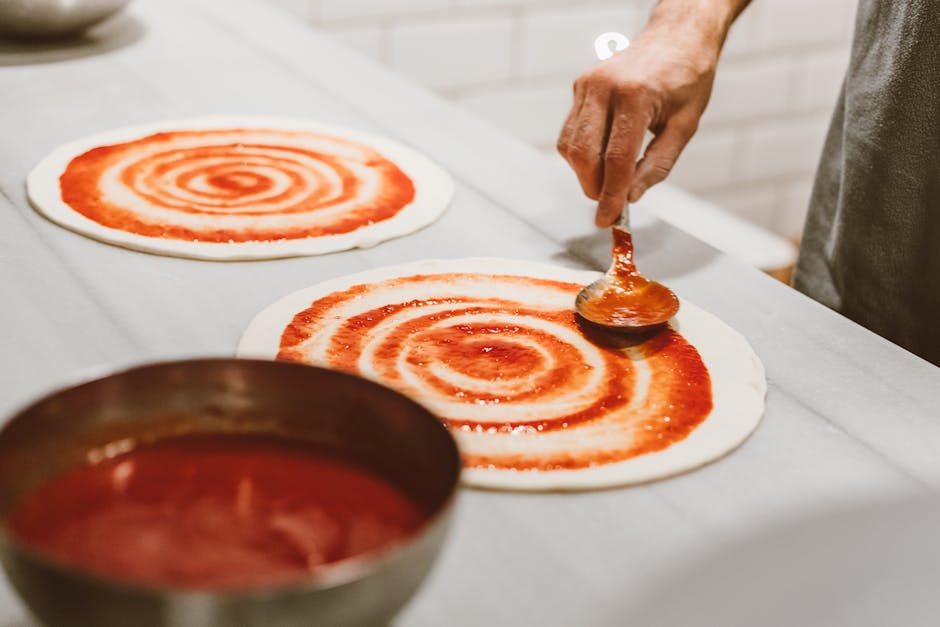
Handmade pizza has become a beloved dish around the world, celebrated for its unique flavors and personal touch. Unlike mass-produced alternatives, handmade pizza allows chefs and home cooks alike to express their creativity through various toppings, dough types, and cooking methods. In this article, we will explore the history, techniques, and benefits of making pizza by hand, as well as tips for creating the perfect pie.
The Rich History of Pizza
Pizza’s origins can be traced back to ancient civilizations, where flatbreads topped with various ingredients were consumed. However, the modern concept of pizza as we know it today began to take shape in Naples, Italy, during the 18th century. It was here that the Margherita pizza was created, featuring tomatoes, mozzarella cheese, and fresh basil to represent the colors of the Italian flag.
As pizza gained popularity, it spread across the globe, evolving into various regional styles. In the United States, for instance, Chicago-style deep-dish pizza and New York-style thin crust became iconic. Each variant showcases the versatility of pizza and its ability to adapt to different cultures and tastes.
Ingredients That Make a Difference
The beauty of handmade pizza lies in the quality of its ingredients. Using fresh, high-quality components can elevate a simple pizza to gourmet status. The dough is the foundation of any pizza, and using ingredients like Tipo 00 flour, water, yeast, and salt can create a light and airy crust.
Furthermore, the choice of toppings can transform a basic pizza into a culinary masterpiece. From classic pepperoni to gourmet options like truffle oil and artisanal cheeses, the possibilities are endless. Locally sourced vegetables and meats can also enhance flavors and support local farmers.
Mastering the Techniques
Making handmade pizza involves several key techniques that can greatly influence the final product. First, mastering the dough-making process is essential. Kneading the dough until it is smooth and elastic, followed by allowing it to rise for the right amount of time, contributes to the crust’s texture.
Shaping the dough is another crucial step. Using your hands rather than a rolling pin ensures that air pockets remain in the dough, resulting in a light and fluffy crust. Additionally, cooking methods play a significant role. Whether using a pizza stone, steel, or a traditional wood-fired oven, each method imparts unique characteristics to the pizza.
Health Benefits of Handmade Pizza
Handmade pizza can be a healthier alternative to its commercial counterparts, primarily due to the ability to control ingredients. By opting for whole grain flour, fresh vegetables, and lean meats, you can create a nutritious meal that is both satisfying and delicious.
Moreover, making pizza at home allows for portion control and customization to meet dietary preferences or restrictions. For example, gluten-free crusts can be made using almond or cauliflower flour, catering to those with gluten sensitivities.
A Personal Touch: The Joy of Making Pizza
One of the most rewarding aspects of handmade pizza is the joy it brings to both the maker and the eater. Involving family and friends in the process can turn pizza night into a fun and interactive experience. Each person can create their own personal pie, experimenting with different toppings and flavors.
In addition, the act of crafting something from scratch fosters a sense of accomplishment. The combination of creativity, skill, and the satisfaction of sharing a meal with loved ones makes handmade pizza truly special.
For those looking for inspiration or unique topping ideas, consider exploring online resources or visiting local pizzerias that focus on handmade methods. For instance, check out LUXURY 777 for innovative pizza options that you can replicate at home.
Conclusion
Handmade pizza is more than just a meal; it’s a celebration of flavors, creativity, and community. By understanding its history, mastering the techniques, and using quality ingredients, anyone can create a delicious pizza that reflects their personal style. So roll up your sleeves, gather your favorite toppings, and embark on the delightful journey of making your own handmade pizza.