The Art and Science of Music Video Production
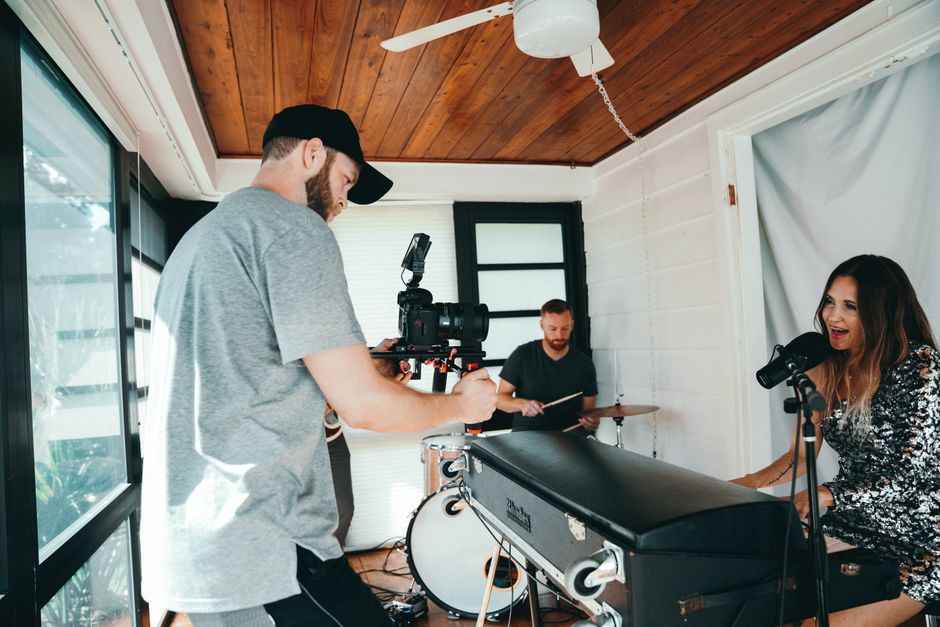
In the digital age, music videos have transformed into a crucial marketing tool for artists and bands alike. A well-crafted music video can elevate a song to new heights, creating a visual narrative that enhances the auditory experience. But what does it take to produce a compelling music video? This article delves into the intricate world of music video production, exploring its essential elements, creative processes, and industry trends.
Understanding the Basics of Music Video Production
At its core, music video production involves several stages, from pre-production to post-production. Each phase plays a vital role in ensuring the final product resonates with audiences. Pre-production, for instance, involves brainstorming concepts, creating storyboards, and planning logistics. A clear vision at this stage can save time and resources later on.
During production, the actual filming occurs, requiring a skilled crew to manage cameras, lighting, and sound. Directors, cinematographers, and production designers collaborate to bring the artistic vision to life. The use of innovative techniques and technology, such as drones or 360-degree cameras, can significantly enhance the visual appeal of a music video.
In post-production, editing is key. This stage involves cutting the footage, adding effects, and syncing audio to create a polished final product. It’s essential to maintain the narrative flow and ensure that the visuals align with the song’s mood.
The Role of Storytelling in Music Videos
Storytelling is a fundamental aspect of music video production. A compelling narrative can captivate viewers, making them more likely to share the video and engage with the artist. Many successful music videos feature a storyline that complements the song’s lyrics, creating a deeper emotional connection.
For example, the music video for “This Is America” by Childish Gambino uses powerful imagery to comment on social issues. The juxtaposition of music and visuals creates a memorable experience that sparks conversation and reflection.
Additionally, incorporating elements of surprise, humor, or drama can enhance the storytelling aspect, making the video more relatable and shareable. The goal is to create a visual representation of the song that resonates with audiences on multiple levels.
Trends in Music Video Production
The landscape of music video production is ever-evolving, influenced by technological advancements and changing viewer preferences. One notable trend is the rise of interactive music videos. These allow viewers to engage with the content actively, creating a personalized experience. For instance, some artists have experimented with branching narratives, where viewers can choose different paths within the video.
Another trend is the use of social media platforms for video distribution. With platforms like TikTok and Instagram Reels gaining popularity, artists are adapting their content to fit these formats, often creating shorter, bite-sized videos that capture attention quickly.
Moreover, collaborations between artists and brands have become increasingly common. Sponsored music videos often feature product placements or tie-ins, expanding the reach and potential revenue streams for both parties.
Budgeting for Music Video Production
Budgeting is a critical consideration in music video production. Costs can vary significantly based on factors such as location, crew size, and special effects. On average, independent music videos can range from $1,000 to $10,000, while high-budget productions can exceed $100,000.
To maximize the budget, producers often prioritize essential elements. For instance, hiring a skilled director or cinematographer can make a significant difference in the video’s quality. Additionally, leveraging local talent and resources can help keep costs down while still achieving a professional look.
It’s also important to consider marketing costs. A great music video requires a solid promotional strategy to ensure it reaches its intended audience. This might involve social media campaigns, collaborations with influencers, and targeted advertising.
Measuring Success in Music Video Production
Once a music video is released, measuring its success is vital for understanding its impact. Metrics such as views, shares, and engagement rates provide insight into audience reception. Analyzing these metrics can help artists and producers refine their strategies for future projects.
Furthermore, platforms like YouTube offer analytics tools that track viewer demographics, allowing artists to tailor their content to specific audiences. It’s also beneficial to monitor comments and feedback, as these can provide valuable insights into what resonates with viewers.
Ultimately, the success of a music video extends beyond numbers; it’s about creating a connection with the audience. A video that evokes emotion, inspires conversation, or encourages sharing is often considered a successful piece of art.
Conclusion
In conclusion, music video production is a multifaceted process that combines creativity, storytelling, and technical expertise. Understanding the essential elements, current trends, and budgeting considerations can empower artists and producers to create impactful videos that resonate with audiences. As the industry continues to evolve, staying informed and adaptable will be key to achieving success in this dynamic landscape. For those interested in exploring the world of music video production, the possibilities are endless.