Essential Tips for First-Time Home Buyers
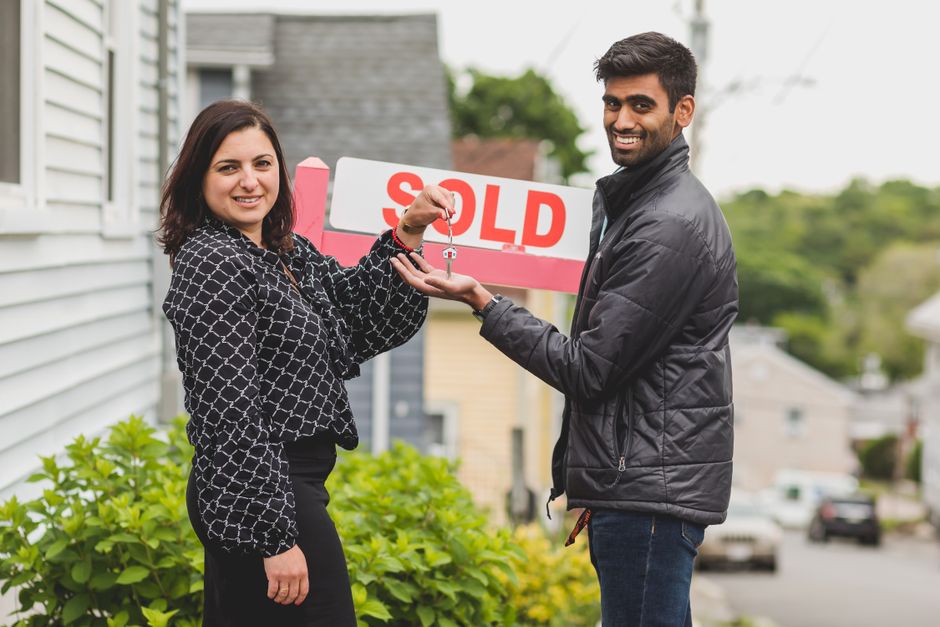
Buying your first home is an exciting yet daunting experience. With numerous factors to consider, from budgeting to choosing the right neighborhood, it’s essential to be well-informed before making such a significant investment. In this article, we will explore key strategies and tips that first-time home buyers should keep in mind to navigate the process smoothly and confidently.
Understanding Your Budget
The first step in the home-buying process is to understand your budget. This involves not just the price of the home but also additional costs such as closing fees, property taxes, and home insurance. According to a recent survey, many first-time home buyers underestimate these additional expenses. It’s advisable to set aside at least 20% of the home price to cover these costs.
Additionally, it’s crucial to evaluate your financial health. This means checking your credit score, assessing your debts, and calculating your income-to-debt ratio. A good credit score can significantly lower your mortgage interest rates, saving you thousands over the life of the loan.
Before you start house hunting, consider getting pre-approved for a mortgage. This not only gives you a clear idea of your budget but also shows sellers that you are a serious buyer. Having a pre-approval letter in hand can strengthen your position in negotiations.
Choosing the Right Location
Location is one of the most critical factors to consider when buying a home. First-time home buyers should research various neighborhoods, considering factors such as safety, schools, and proximity to work. A location that may seem appealing today might not hold its value in the future if the area declines or if there are changes in local infrastructure.
Utilizing online resources can help you gather data about different neighborhoods. Websites that provide crime statistics, school rankings, and property values can be invaluable in making an informed decision. You may also consider visiting neighborhoods at different times of the day to get a feel for the community.
Finally, think about your future needs. If you plan to start a family or change jobs, choose a location that will accommodate your lifestyle changes. This foresight can save you from the hassle of relocating in a few years.
Working with Real Estate Professionals
Many first-time home buyers attempt to navigate the process alone, but working with real estate professionals can provide significant advantages. A qualified real estate agent has experience in the market and can help you find properties that meet your criteria.
Additionally, a real estate agent can offer insights into pricing trends and negotiate on your behalf. This can be particularly useful in competitive markets where multiple offers may be common. They can help you understand the nuances of purchase agreements and ensure that you are making an informed decision.
Moreover, consider consulting with a mortgage broker. They can help you find the best financing options available, which can differ significantly from one lender to another. Their expertise can save you both time and money.
Conducting Due Diligence
Before making an offer on a home, it’s essential to conduct thorough due diligence. This includes home inspections, which can reveal potential issues that may not be visible during a casual walkthrough. According to the National Association of Realtors, about 80% of buyers opt for a home inspection, and it’s a critical step that should not be overlooked.
Additionally, review the property’s history. This includes understanding its previous sale prices, any renovations made, and how long it has been on the market. A property that has been listed for an extended period may have underlying issues that could affect your decision.
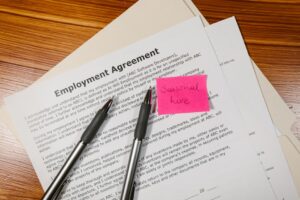
Finally, be sure to read the fine print in any agreements. Understanding the terms of your mortgage, including any penalties or fees, can prevent future frustrations.
Preparing for Closing
Once you’ve found your dream home and your offer is accepted, the final step is closing. This process can be overwhelming for first-time home buyers, as it involves a lot of paperwork and financial commitments. Be prepared to provide documentation such as tax returns, pay stubs, and bank statements.
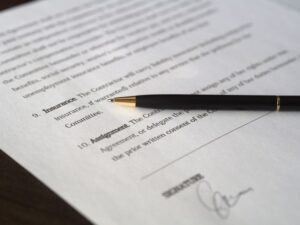
During closing, you will review and sign various documents, including the mortgage agreement and the title transfer. It’s important to understand each document before signing, so don’t hesitate to ask questions if anything is unclear.
After closing, remember that homeownership comes with responsibilities. Regular maintenance and budgeting for repairs are essential to protect your investment and ensure your home remains a safe and enjoyable place to live.
Conclusion
Becoming a first-time home buyer is a monumental step that requires careful planning and informed decisions. From understanding your budget to conducting due diligence, each phase of the process is crucial. By following these tips and seeking professional advice when needed, you can navigate the complexities of buying your first home with confidence. Remember, every home purchase is unique, and being prepared will help you make the best decision for your future.
For more resources tailored to the journey of a first time home buyer, consider exploring additional guides and expert opinions that can provide further insight.