Effective Strategies for Bedbug Extermination
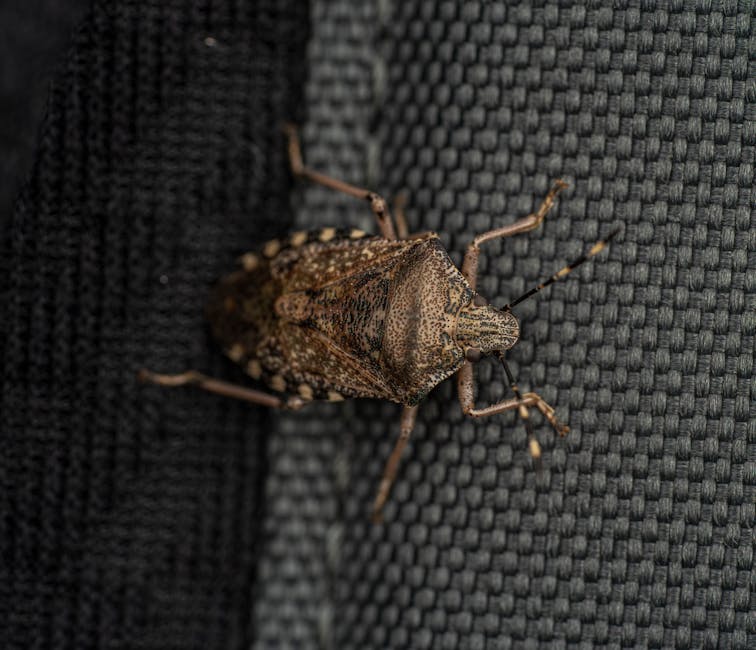
Bedbugs, those tiny, elusive pests, have become a growing concern in households and businesses worldwide. As they multiply rapidly and adapt to various environments, effective extermination methods are essential for controlling their spread. This article delves into the various strategies for bedbug extermination, providing practical advice and insights to help you reclaim your space.
Understanding Bedbugs: Biology and Behavior
To effectively combat bedbugs, it’s crucial to understand their biology and behavior. Bedbugs are small, wingless insects that feed on the blood of humans and animals. They are nocturnal, making them harder to detect during the day. A female bedbug can lay up to five eggs daily, leading to a rapid increase in population. Knowing these facts can help you identify the signs of an infestation early on.
Bedbugs are typically found in bedding, furniture, and even behind wallpaper. Their ability to hide in tiny crevices means that a thorough inspection is necessary when battling an infestation. Look for reddish-brown stains, shed skins, and even the bugs themselves. Understanding their hiding spots can significantly improve your chances of effective extermination.
Prevention: Keeping Bedbugs at Bay
Prevention is always better than cure. Here are some practical tips to help you prevent a bedbug infestation:
1. **Regular Inspections**: Frequently check your bedding and furniture for any signs of bedbugs, especially after traveling or bringing in second-hand items.
2. **Protective Covers**: Use bedbug-proof encasements for mattresses and pillows. These covers can prevent bedbugs from infesting your sleeping area.
3. **Decluttering**: Reducing clutter in your home minimizes hiding spots for bedbugs. The less clutter, the easier it is to spot and eliminate them.
This proactive approach can significantly reduce the risk of an infestation and save you from the hassle of extermination later on.
Effective Extermination Methods
When an infestation is confirmed, it’s time to take action. There are several effective methods for bedbug extermination, each with its pros and cons:
1. **Chemical Treatments**: Insecticides specifically designed for bedbugs can be effective. However, they should be used with caution and according to the manufacturer’s instructions. It’s essential to follow safety guidelines to protect yourself and your family.
2. **Heat Treatments**: Bedbugs cannot survive extreme temperatures. Professional exterminators often use heat treatments that raise the temperature of infested areas to a lethal level for bedbugs. This method is effective but may require professional assistance.
3. **Integrated Pest Management (IPM)**: This approach combines multiple methods, including chemical, physical, and biological strategies, to manage bedbug populations. An example of IPM is using a combination of heat and chemical treatments to ensure thorough extermination.
For those seeking to manage infestations on their own, effective bed bug treatment resources are available online, providing detailed instructions and recommendations.
When to Call a Professional
While some infestations can be managed independently, there are situations where professional help is necessary:
1. **Large Infestations**: If the infestation is widespread or you notice a large number of bedbugs, it’s often best to call in the experts.
2. **Repeated Infestations**: If you’ve tried multiple methods without success, professional exterminators have access to more potent treatments and expertise.
3. **Health Concerns**: If anyone in your household has allergies or health issues that could be exacerbated by bedbugs or the chemicals used for extermination, consider professional services.
Recognizing these signs can save time and ensure a more effective eradication of the pests.
Post-Extermination: Ensuring Long-term Success
After extermination efforts, it’s crucial to take steps to prevent future infestations:
1. **Continued Monitoring**: Keep an eye out for any signs of bedbugs in the weeks following extermination. Early detection can prevent a resurgence.
2. **Education**: Educate your family and household members about bedbug identification and prevention. Awareness is key to stopping the cycle of infestation.
3. **Regular Cleaning**: Maintain a regular cleaning schedule for your home, especially in areas where bedbugs are likely to hide.
By implementing these practices, you can help ensure that your home remains bedbug-free for the long term.
Conclusion
Bedbug extermination is a multifaceted process that requires knowledge, vigilance, and sometimes professional assistance. Understanding their biology and behavior, taking preventive measures, and knowing when to seek help are all essential components of effective bedbug management. With the right approach, you can reclaim your space and enjoy a bedbug-free environment.