Transforming Spaces: The Role of a Commercial Interior Designer
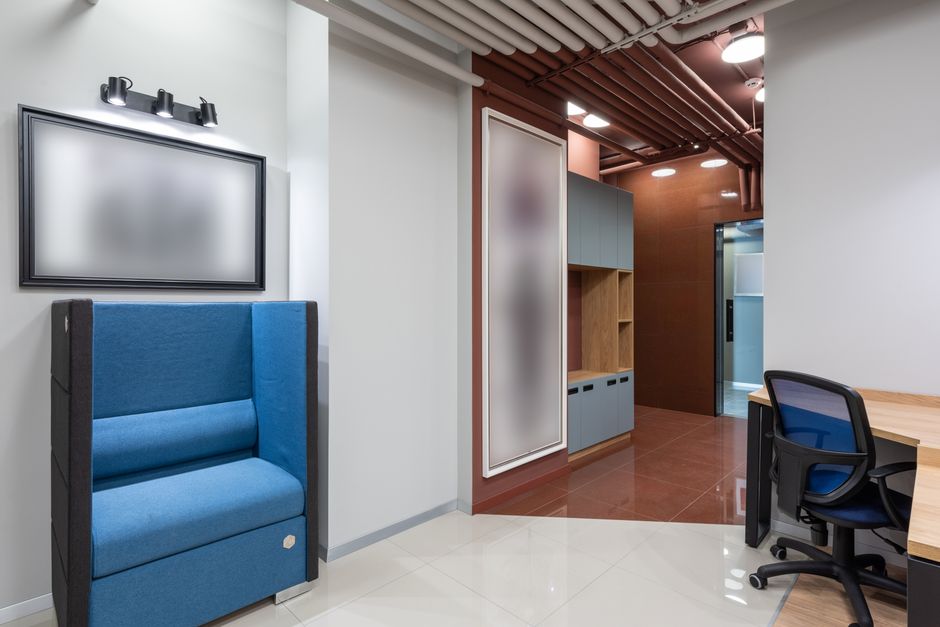
In today’s competitive business landscape, the design of commercial spaces plays a crucial role in attracting customers and enhancing employee productivity. A well-designed interior can create a lasting impression and contribute to a brand’s identity. This is where the expertise of a commercial interior designer becomes invaluable. Their skills not only encompass aesthetics but also functionality and brand alignment.
The Importance of Commercial Interior Design
Commercial interior design is more than just making spaces look good; it’s about creating environments that work. According to a study by the American Society of Interior Designers, well-designed offices can lead to a 20% increase in productivity. This statistic highlights the profound impact that interior designers have on commercial spaces. By understanding how to effectively utilize space, commercial interior designers can help businesses optimize their operations.
Moreover, the appropriate design can reflect a company’s values and culture. For example, tech companies often opt for open-concept designs that promote collaboration, while law firms may prefer more traditional, formal layouts that convey professionalism. This attention to detail allows businesses to create a unique identity that resonates with their target audience.
Key Elements of Successful Commercial Interior Design
When it comes to successful commercial interior design, several key elements come into play. First and foremost is understanding the client’s vision and goals. A commercial interior designer must engage with stakeholders to grasp what they want to achieve. This process often involves extensive consultations and discussions to ensure that the final design aligns with the company’s objectives.
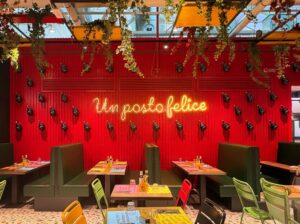
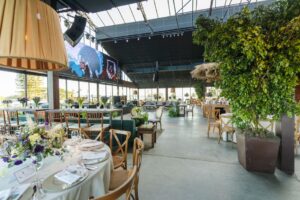
Next, space planning is critical. An effective layout maximizes the use of space while ensuring comfort and accessibility. This involves considering factors such as traffic flow, furniture placement, and the overall functionality of the space. For instance, in a restaurant, the seating arrangement must allow for easy movement for both staff and customers, ensuring a pleasant dining experience.
Trends in Commercial Interior Design
The field of commercial interior design is constantly evolving, with new trends emerging regularly. One of the most significant trends today is sustainability. Businesses are increasingly seeking eco-friendly materials and designs that reduce their environmental impact. This trend not only demonstrates corporate responsibility but also appeals to consumers who prioritize sustainability in their purchasing decisions.
Another trend is the incorporation of technology into design. Smart offices equipped with advanced technology can enhance efficiency and productivity. For example, automated lighting and climate control systems contribute to energy savings while providing a comfortable working environment. The integration of technology is becoming a standard expectation in modern commercial spaces.
Challenges Faced by Commercial Interior Designers
While the role of a commercial interior designer is rewarding, it also comes with its share of challenges. One common challenge is working within budgetary constraints. Designers must balance the desire for high-quality materials and innovative designs with the financial limitations set by the client. This requires creativity and resourcefulness to achieve the desired outcome without overspending.
Additionally, timelines can be a significant pressure point. Commercial projects often have strict deadlines to align with business operations. Delays can lead to lost revenue, making it crucial for designers to adhere to project schedules while maintaining quality. Effective project management skills are essential for navigating these challenges.
Conclusion
In conclusion, the role of a commercial interior designer is multifaceted, encompassing creativity, functionality, and strategic planning. As businesses continue to recognize the importance of their physical environments, the demand for skilled commercial interior designers is likely to grow. By understanding the nuances of space, brand identity, and the latest trends, these professionals are instrumental in transforming commercial spaces into productive and engaging environments.