The Rise of Industrial Automation Suppliers in Modern Manufacturing
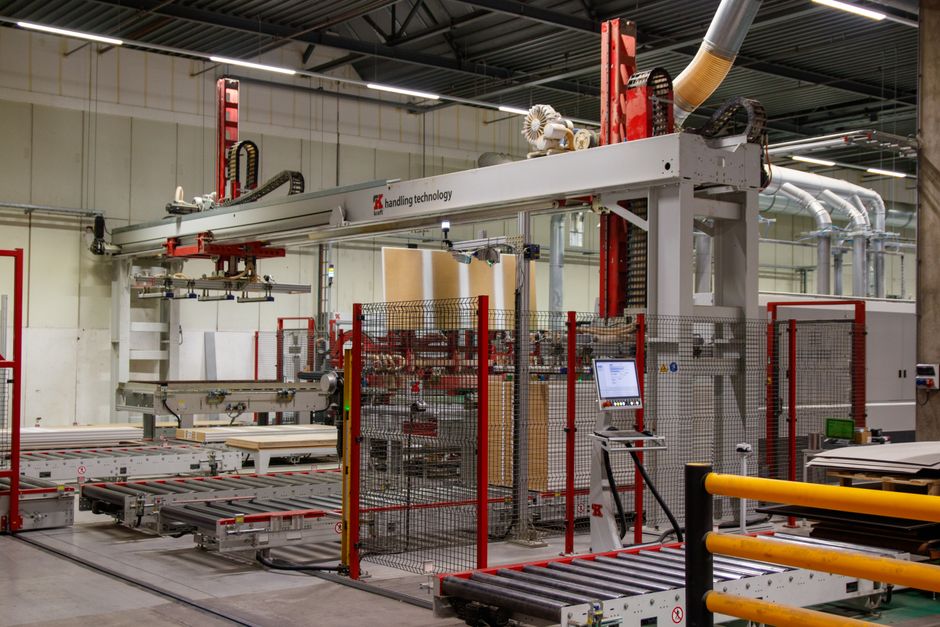
The landscape of manufacturing has undergone significant transformations in recent years, driven by advancements in technology and the increasing need for efficiency. At the forefront of this revolution are industrial automation suppliers, who play a crucial role in providing the tools and systems that enable businesses to enhance productivity and streamline operations. This article delves into the importance of industrial automation suppliers, their impact on various sectors, and what to consider when choosing a supplier.
Understanding Industrial Automation
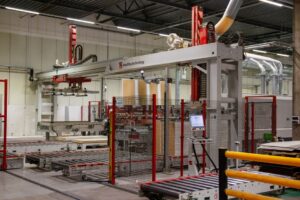
Industrial automation refers to the use of control systems such as computers or robots for handling different processes and equipment in an industry to replace human intervention. This technology is essential in various applications, including manufacturing, assembly lines, and packaging. As companies strive to improve efficiency and reduce operational costs, the demand for automation has surged.
Automation not only increases production rates but also improves product quality and consistency. For example, in automotive manufacturing, automated systems can assemble parts with precision, reducing the chances of human error. According to a report by McKinsey, industries that adopt automation can see productivity gains of 20% to 30%.
The Role of Industrial Automation Suppliers
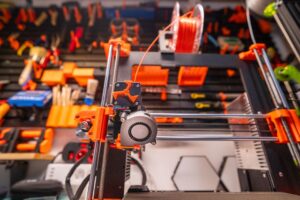
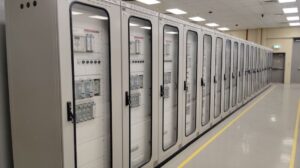
Industrial automation suppliers provide the necessary equipment, software, and services that facilitate automation in various industries. Their offerings include robotics, sensors, control systems, and software solutions that enable seamless integration of automated processes. By partnering with an industrial automation supplier, businesses can leverage these technologies to transform their operations.
Moreover, suppliers often offer consultation services, helping companies identify automation opportunities and design systems tailored to their specific needs. This partnership is vital, as it ensures that the automation process aligns with business goals and operational requirements.
Factors to Consider When Choosing an Automation Supplier
When selecting an industrial automation supplier, several factors should be taken into account. Firstly, assess the supplier’s experience and expertise in your specific industry. A supplier with a proven track record will better understand the challenges and requirements unique to your sector.
Secondly, consider the range of products and services offered. A comprehensive supplier should provide not only hardware but also software solutions and support services. This can significantly simplify the integration process and reduce the time spent on onboarding new systems.
Additionally, evaluate the supplier’s customer support and after-sales service. Reliable support is crucial for addressing any issues that may arise post-installation, ensuring minimal downtime and maintaining operational efficiency.
Case Studies: Successful Automation Implementations
Several companies have successfully implemented industrial automation solutions, leading to remarkable improvements in their operations. For instance, a leading beverage manufacturer adopted automation technologies to streamline its production line. By integrating robotics into their bottling process, they improved production speed by 40% while reducing labor costs significantly.
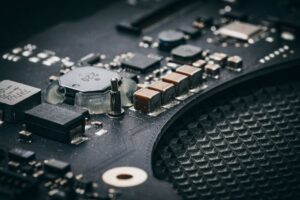
Another example can be seen in the electronics industry, where a major player reduced defects by 30% through the implementation of automated inspection systems. These systems use advanced sensors and machine learning algorithms to detect flaws in real time, ensuring higher quality products reach the market.
The Future of Industrial Automation
The future of industrial automation looks promising, with ongoing advancements in technology such as artificial intelligence and machine learning. These technologies will further enhance the capabilities of automation, enabling smarter and more adaptive systems. As industries continue to evolve, the role of industrial automation suppliers will be pivotal in facilitating this transformation.
In conclusion, industrial automation suppliers are integral to modern manufacturing, providing essential tools and expertise that enable businesses to thrive in a competitive environment. By understanding the role of these suppliers and carefully selecting the right partner, companies can harness the full potential of automation to drive efficiency and innovation.