Unlocking the Secrets of Metal Fabrication Shops
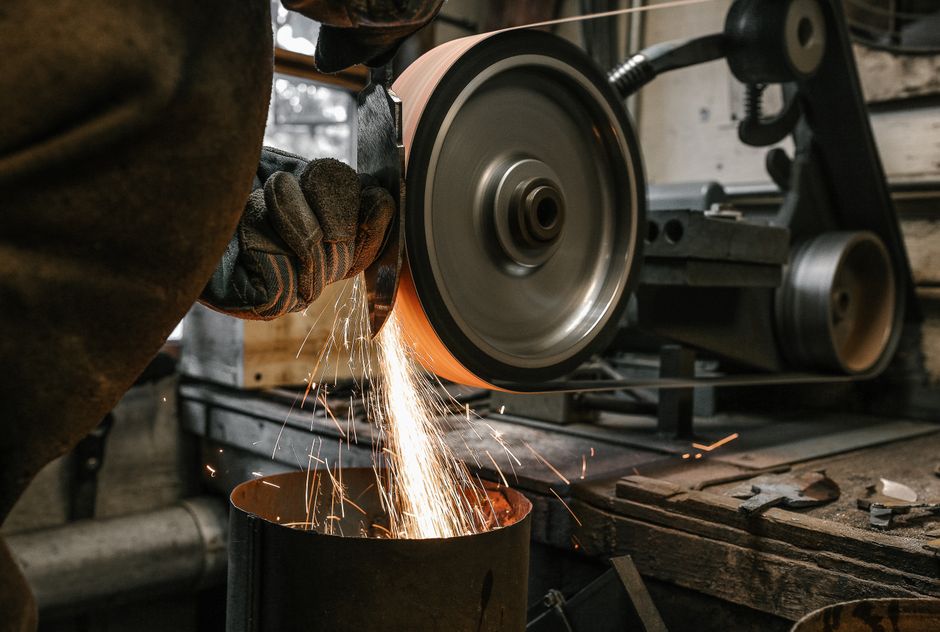
The world of manufacturing is vast and complex, but one of its most essential components is metal fabrication. A metal fabrication shop serves as a crucial link in transforming raw materials into finished products. These shops utilize various processes to cut, shape, and assemble metal materials into desired configurations, catering to a myriad of industries from automotive to aerospace. In this article, we will delve into the intricacies of metal fabrication, the technologies involved, and the significance of choosing the right metal fabrication shop.
Understanding Metal Fabrication
Metal fabrication is a multi-step process involving the creation of metal structures by cutting, bending, and assembling processes. The metal fabrication shop typically handles a variety of metals, including steel, aluminum, and copper, each serving distinct purposes based on their properties. Understanding these processes is vital for businesses looking to produce high-quality metal products efficiently.
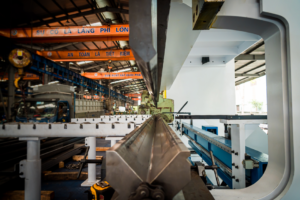
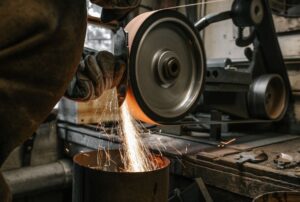
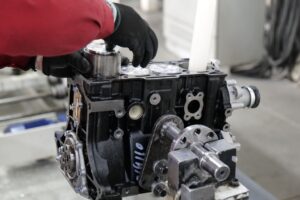
In essence, metal fabrication can be broken down into several key processes: cutting, machining, welding, and finishing. Cutting can be achieved through various methods such as laser cutting, plasma cutting, or waterjet cutting, each offering different benefits depending on the project requirements. Machining involves removing material from a workpiece to achieve desired dimensions, while welding is the process of joining two or more pieces of metal together. Lastly, finishing processes, including painting or coating, enhance the durability and appearance of the final product.
The Role of Technology in Metal Fabrication
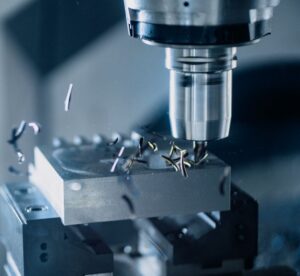
As technology continues to advance, metal fabrication shops are increasingly adopting modern tools and equipment to improve efficiency and quality. Computer Numerical Control (CNC) machines, for example, have revolutionized the industry by allowing for precise and repeatable machining processes. This not only increases productivity but also enhances the accuracy of the components produced.
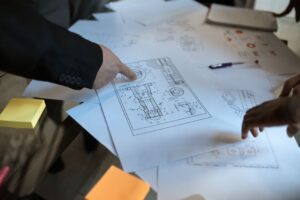
Additionally, the integration of software solutions such as CAD (Computer-Aided Design) allows fabricators to create intricate designs and simulations before physical production begins. This not only saves time but also reduces material waste, which is a significant concern in metal fabrication.
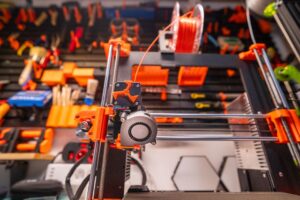
Moreover, innovations such as 3D printing are starting to make waves in the metal fabrication sector. Metal 3D printing enables the production of complex geometries that were previously impossible with traditional methods, opening new avenues for design and functionality.
Choosing the Right Metal Fabrication Shop
When selecting a metal fabrication shop, several factors must be considered to ensure that the right partner is chosen for your project. First and foremost, assess the shop’s capabilities and experience. A shop that specializes in your specific industry will have a better understanding of your requirements and can provide tailored solutions.
Furthermore, quality control is paramount in metal fabrication. Inquire about the shop’s quality assurance processes and certifications. Shops that adhere to industry standards such as ISO 9001 are often more reliable, as they demonstrate a commitment to maintaining quality throughout their production processes.
Another critical aspect is communication. Establishing a good rapport with your metal fabrication shop can lead to better collaboration and project outcomes. A shop that values customer service will be more likely to listen to your needs and provide updates throughout the fabrication process.
The Future of Metal Fabrication
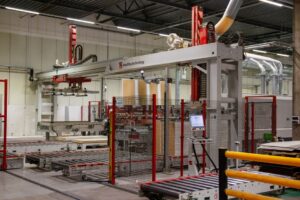
The future of metal fabrication is set to be shaped by ongoing advancements in technology and materials. With the rise of automation and robotics, we can expect a shift towards more efficient production lines that minimize human error and optimize workflow.
Furthermore, as sustainability becomes a priority across industries, metal fabrication shops are also focusing on eco-friendly practices. This includes recycling scrap metal and utilizing energy-efficient machinery, which not only benefits the environment but also can reduce operational costs.
In this rapidly evolving landscape, staying informed about the latest trends and technologies will be crucial for businesses looking to remain competitive. Investing in a reliable metal fabrication shop can provide the necessary support to navigate these changes successfully.
Conclusion
Metal fabrication shops play a pivotal role in the manufacturing industry, translating raw materials into functional products through various processes. As technology accelerates, these shops are adapting to new methods and practices that enhance efficiency and sustainability. By understanding the intricacies of metal fabrication and selecting the right shop, businesses can ensure the successful production of high-quality metal products that meet their needs.