The Ultimate Guide to Excavator Rental: What You Need to Know
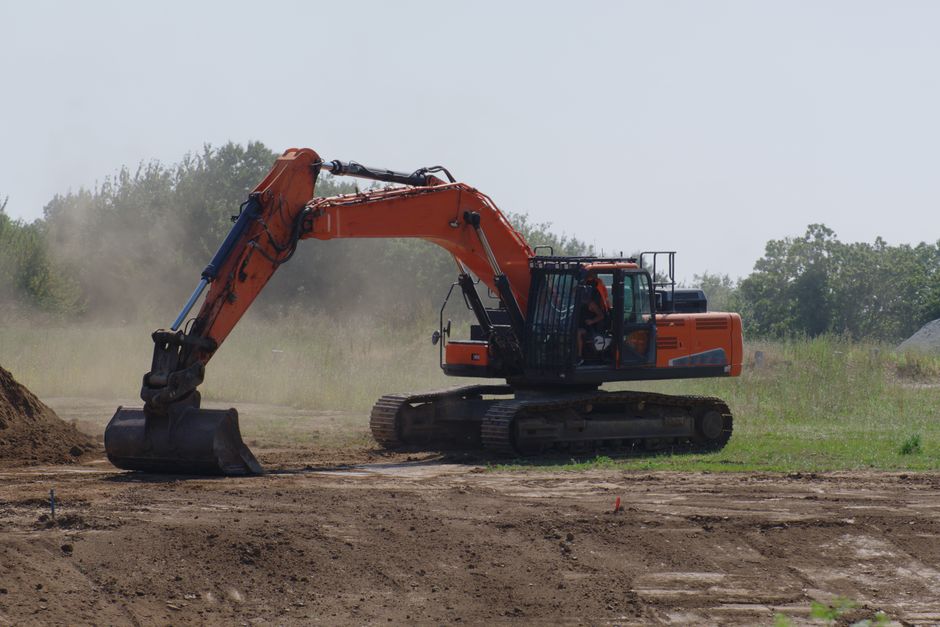
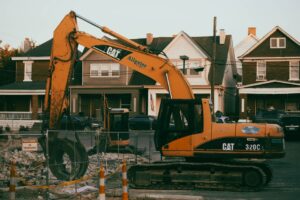
Excavators are essential equipment in the construction and landscaping industries, providing the power and versatility needed for a variety of tasks. Whether you’re digging, moving earth, or demolishing structures, renting an excavator can be a cost-effective solution for contractors and DIY enthusiasts alike. In this guide, we will explore the benefits of excavator rental, the different types available, and tips for choosing the right equipment for your project.
Understanding Excavator Rental
Excavator rental involves leasing excavators for a specified period, allowing users to access heavy machinery without the hefty investment of purchasing. This option is particularly beneficial for short-term projects or those who may not require an excavator on a regular basis. By renting, you can maintain flexibility and reduce operational costs.
According to industry statistics, the global construction equipment rental market is expected to reach $100 billion by 2026, driven by the rising demand for construction projects and the preference for rental equipment over ownership. Renting an excavator can help manage cash flow effectively, as it eliminates the need for large capital expenditures.
Types of Excavators Available for Rent
When considering excavator rental, it’s vital to understand the different types of excavators available. Each type is designed for specific tasks, so knowing what you need can save time and money. Here are some common types:
- Standard Excavators: These are the most common excavators, used for a variety of tasks, including digging, grading, and lifting.
- Mini Excavators: Ideal for smaller jobs or tight spaces, mini excavators are compact yet powerful, making them perfect for residential projects.
- Long Reach Excavators: Designed for projects that require extended reach, these excavators are perfect for dredging or working in deep trenches.
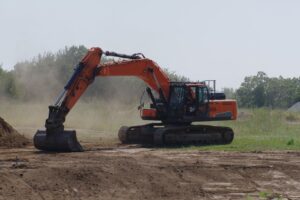
- Crawler Excavators: Known for their stability, crawler excavators are suited for rough terrains and heavy lifting.
Choosing the Right Excavator for Your Project
Selecting the appropriate excavator for your project can significantly impact its success. Here are some factors to consider:
- Project Size: Assess the scale of your project to determine whether a mini or standard excavator is necessary.
- Job Site Conditions: Consider the terrain and environment where the excavator will be used. For uneven ground, a crawler excavator may be more suitable.
- Attachments: Many excavators can be outfitted with attachments such as buckets, hammers, and grapples. Ensure the rental company provides the necessary attachments for your tasks.
Cost Factors in Excavator Rental
The cost of renting an excavator can vary based on several factors, including:
- Rental Duration: Most rental companies offer daily, weekly, or monthly rates. Longer rental periods typically come with discounted rates.
- Type and Size of Excavator: Larger and more specialized excavators usually have higher rental costs.
- Delivery and Pickup Fees: Check if the rental fee includes delivery to and from your job site, as this can add to the total cost.
Additionally, consider insurance and maintenance options when renting. Some companies offer insurance packages that cover damages or accidents during the rental period.
Tips for a Successful Excavator Rental Experience
To ensure a smooth rental experience, keep these tips in mind:
- Research Rental Companies: Look for reputable rental companies with positive reviews and a wide selection of equipment.
- Inspect Equipment: Before signing a rental agreement, thoroughly inspect the excavator for any signs of wear or damage.
- Understand Rental Agreements: Read the rental contract carefully, paying attention to terms regarding damage, maintenance, and return policies.
Conclusion
Excavator rental is a practical solution for many construction needs, offering flexibility and cost savings. By understanding the types of excavators available, choosing the right equipment for your project, and following best practices for renting, you can maximize the benefits of this service. As the construction industry continues to grow, the demand for rental equipment will likely increase, making it essential to stay informed and prepared.