Transforming Your Space: The Ultimate Guide to Kitchen Remodeling
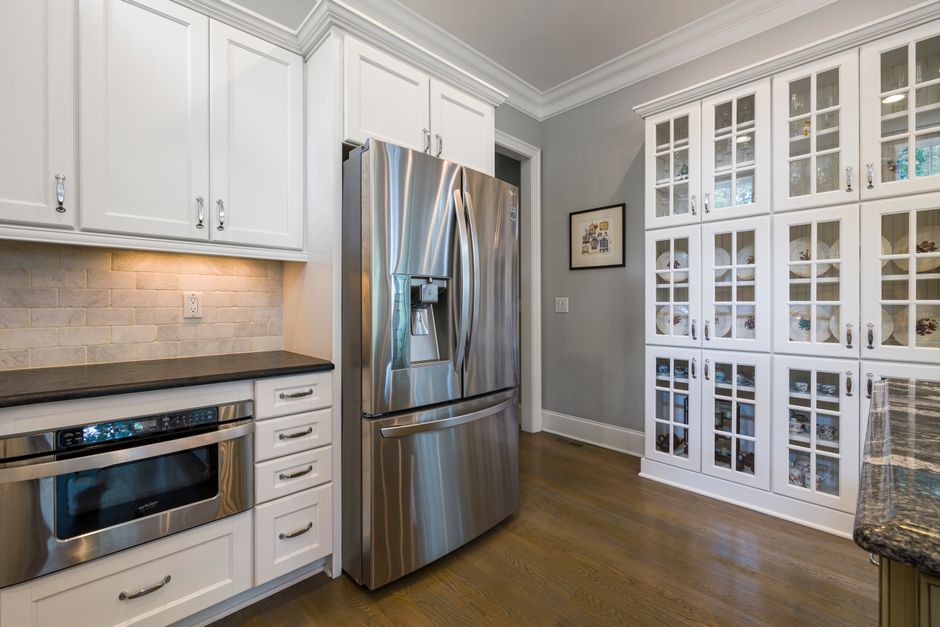
In today’s fast-paced world, the kitchen serves as the heart of the home. A well-designed kitchen not only enhances the functionality of the space but also adds value to your property. Whether you are looking to create a more inviting atmosphere for family gatherings or increase the resale value of your home, kitchen remodeling is a worthwhile investment. In this guide, we will explore various aspects of kitchen remodeling, including design trends, budgeting tips, and essential considerations for a successful renovation.
Understanding Your Needs and Goals
Before diving into a kitchen remodeling project, it is crucial to understand your specific needs and goals. Are you looking for more storage space, a modern aesthetic, or an open-concept layout? Identifying your priorities will help streamline the design process. For example, if you love to cook, consider incorporating professional-grade appliances and ample counter space. Alternatively, if entertaining is your passion, an open layout with a large island can facilitate social interactions.
Additionally, consider the needs of your family. If you have young children, safety features such as rounded countertops and non-slip flooring may be a priority. On the other hand, if you are an empty nester, you might prefer a more minimalist approach that emphasizes elegance and simplicity.
Setting a Realistic Budget
Budgeting is a critical aspect of any kitchen remodeling project. On average, homeowners spend between $15,000 and $50,000 on a kitchen remodel, depending on the scope of the project. To create a realistic budget, consider the following factors:
- Labor Costs: Hiring professional contractors can significantly impact your budget. Be sure to get multiple quotes and check references.
- Materials: The choice of materials for countertops, cabinets, and flooring can vary widely in price. Research options like quartz, granite, or laminate to find a balance between aesthetics and cost.
- Unexpected Expenses: It is wise to set aside 10-20% of your budget for unforeseen issues that may arise during the renovation.
By carefully planning your budget, you can avoid financial strain and ensure your remodeling project stays on track.
Choosing the Right Design Elements
The design elements you choose will set the tone for your kitchen. Here are some popular trends and ideas to consider:
- Color Schemes: Neutral colors such as whites, grays, and beiges are timeless, while bold colors like navy blue or emerald green can make a statement. Choose colors that align with your personal style and the overall theme of your home.
- Cabinet Styles: Shaker-style cabinets are currently in vogue, offering a clean and classic look. Alternatively, you might opt for sleek, modern cabinets with minimalist hardware for a contemporary feel.
- Lighting: Layered lighting is essential for functionality and ambiance. Consider pendant lights over islands, under-cabinet lighting for task areas, and recessed lights for overall illumination.
Incorporating these design elements will help create a cohesive and inviting kitchen space.
Planning for Functionality and Efficiency
A kitchen should be as functional as it is beautiful. When remodeling, think about the kitchen work triangle— the relationship between the stove, sink, and refrigerator. This layout promotes efficiency and ease of use. The National Kitchen and Bath Association (NKBA) recommends that the distance between these three areas should be between 4 to 9 feet for optimal workflow.
Storage is another vital consideration. Utilize vertical space with tall cabinets, incorporate pull-out shelves, and consider a pantry for additional storage. These features can minimize clutter and keep your kitchen organized.
Finalizing Your Remodeling Project
Once the design and budget are in place, it’s time to start the remodeling process. Work closely with your contractor to ensure that the project runs smoothly and stays on schedule. Regular check-ins and clear communication can help address any issues promptly.
After the remodel is complete, take the time to enjoy your new kitchen! Consider hosting a gathering to showcase your newly transformed space. This not only allows you to appreciate the fruits of your labor but also helps you settle into the new layout and functionality.
For those considering a kitchen renovation, it can be beneficial to explore various ideas and styles. Many resources are available that can inspire and guide homeowners through the kitchen remodeling process. One such resource is kitchen remodeling websites, which provide a wealth of images and tips.
Conclusion
Kitchen remodeling is a significant undertaking that can yield impressive results. By understanding your needs, setting a budget, choosing the right design elements, and planning for functionality, you can create a kitchen that is not only visually stunning but also highly efficient. Remember that your kitchen is a reflection of your lifestyle, so take the time to design a space that truly feels like home.