Harnessing the Future: The Role of Energy Storage Systems
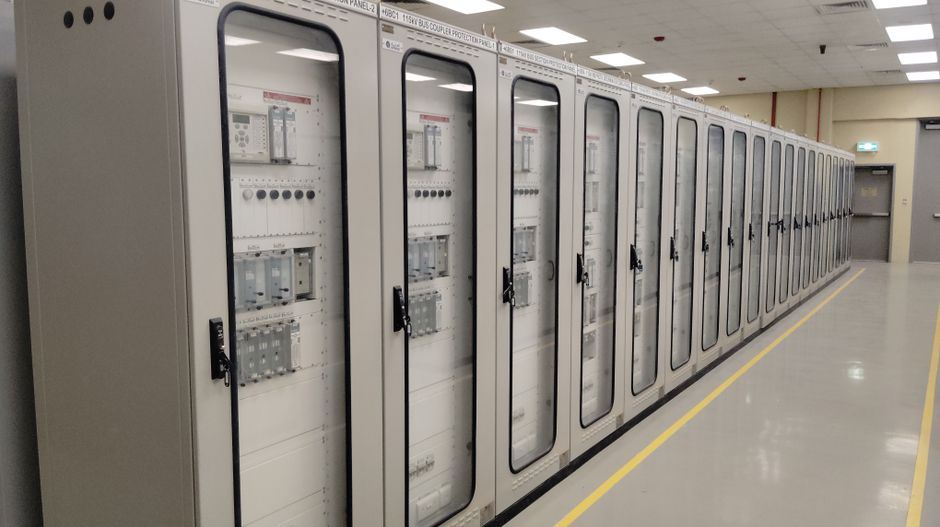
In an era where renewable energy sources are gaining momentum, the need for effective energy storage systems has never been more crucial. Energy storage systems (ESS) play a pivotal role in stabilizing the power grid, optimizing energy usage, and ensuring a reliable supply of electricity. This article delves into the various types of energy storage systems, their benefits, challenges, and future prospects, providing a comprehensive overview for anyone interested in the energy sector.
Understanding Energy Storage Systems
Energy storage systems can be defined as technologies that store energy for later use. This can include a variety of methods, from traditional batteries to innovative solutions like pumped hydro storage or compressed air energy storage. The primary function of these systems is to balance supply and demand, particularly in systems dominated by intermittent renewable energy sources like solar and wind.
One of the most common types of energy storage is battery storage. Lithium-ion batteries, for example, have become increasingly popular due to their high energy density and decreasing costs. According to recent reports, the global market for lithium-ion battery storage is expected to exceed $100 billion by 2025, indicating a significant shift towards battery technologies in energy storage.
Other types include mechanical systems such as flywheels and gravitational storage, as well as thermal storage systems that store energy in the form of heat. Each type has its own advantages and is suited for different applications within the energy landscape.
The Benefits of Energy Storage Systems
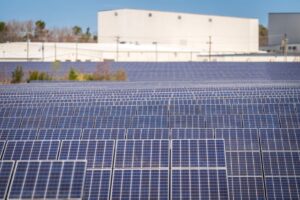
Energy storage systems offer numerous benefits that enhance the efficiency and reliability of energy production and consumption. Firstly, they facilitate the integration of renewable energy sources into the power grid. By storing excess energy generated during peak production times, these systems ensure that energy is available when demand is high, thereby reducing reliance on fossil fuels.
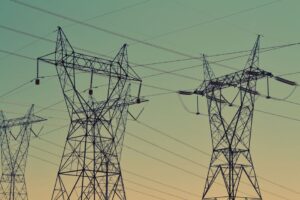
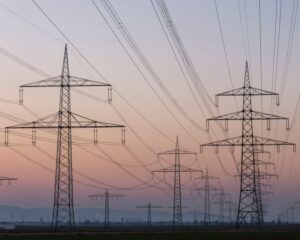
Additionally, energy storage systems contribute to grid stability. They can provide ancillary services like frequency regulation and voltage support, essential for maintaining a balanced and reliable electricity supply. For instance, during peak demand periods, stored energy can be dispatched quickly, helping to avoid blackouts and reduce strain on the grid.
Furthermore, energy storage systems can lead to significant cost savings for both utilities and consumers. By optimizing energy usage and reducing peak demand charges, these systems can lower electricity bills and enhance overall energy efficiency.
Challenges Facing Energy Storage Systems
Despite their numerous advantages, energy storage systems are not without challenges. One major hurdle is the high initial cost associated with many storage technologies, particularly advanced battery systems. Although prices have been declining, the upfront investment can still be a barrier for many utilities and consumers.
Moreover, the environmental impact of certain energy storage technologies, especially batteries, raises concerns. The extraction of raw materials like lithium and cobalt can have significant ecological and ethical implications, necessitating a careful approach to resource management and recycling within the industry.
Another challenge is the limited lifespan of certain energy storage systems. For example, lithium-ion batteries typically have a cycle life of around 2,000 to 5,000 cycles, depending on usage conditions. This necessitates ongoing research into more durable and sustainable storage solutions that can withstand longer operational periods without significant degradation.
The Future of Energy Storage Systems
Looking ahead, the future of energy storage systems appears promising. With ongoing advancements in technology, new materials, and innovative designs are being developed to enhance the performance and reduce the costs of energy storage solutions. For instance, researchers are exploring solid-state batteries, which offer the potential for greater energy density and safety compared to conventional lithium-ion batteries.
Moreover, government policies and incentives aimed at promoting renewable energy adoption are likely to drive the growth of energy storage systems. Many countries are implementing regulations that require a certain percentage of energy to come from renewable sources, further necessitating the need for efficient storage solutions to manage this transition.
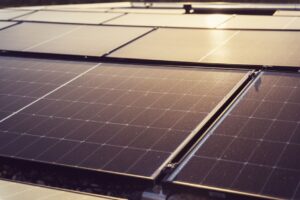
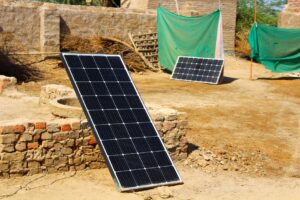
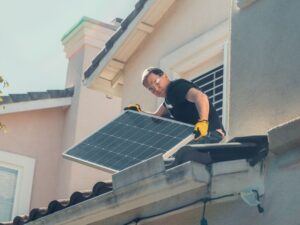
In addition, the rise of decentralized energy systems, such as home energy storage units, is changing how consumers interact with energy. Homeowners are increasingly investing in small-scale storage solutions to manage their personal energy use, often in conjunction with rooftop solar panels. This trend not only empowers individuals but also contributes to the overall resilience of the energy grid.
Conclusion
In conclusion, energy storage systems are at the forefront of the energy transition, playing a crucial role in integrating renewable energy, enhancing grid stability, and providing economic benefits. While challenges remain, the ongoing advancements in technology and supportive policies indicate a bright future for energy storage solutions. As we continue to innovate and invest in these systems, the potential for a sustainable and reliable energy future becomes increasingly attainable. For those interested in exploring energy storage systems further, resources are available to understand the various technologies and their applications in today’s energy landscape. As the world embraces a cleaner, more efficient energy paradigm, the importance of energy storage systems cannot be overstated. Discover more about energy storage systems and their impact on our energy future.