The Future of Agriculture: Exploring Vertical Farming Technology
The rapid growth of urban populations and the increasing demand for sustainable food production have sparked a revolution in agriculture. Vertical farming technology is at the forefront of this change, offering innovative solutions to the challenges posed by traditional farming methods. By utilizing vertical space and advanced farming techniques, vertical farms promise to enhance food security while minimizing environmental impact.
What is Vertical Farming?
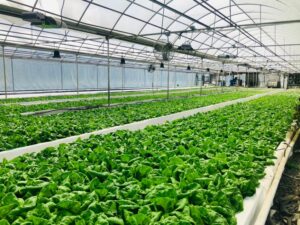
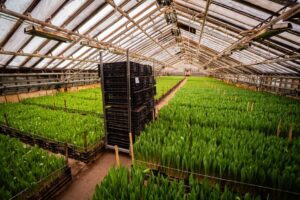
Vertical farming is a method of growing crops in stacked layers, often incorporating controlled-environment agriculture (CEA) technology. This approach allows for the cultivation of plants in urban settings, where land is limited. The concept of vertical farming is not entirely new; however, advancements in technology have made it a viable solution for modern agricultural needs.
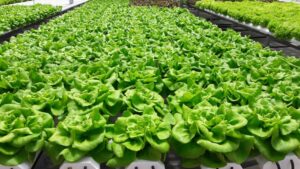
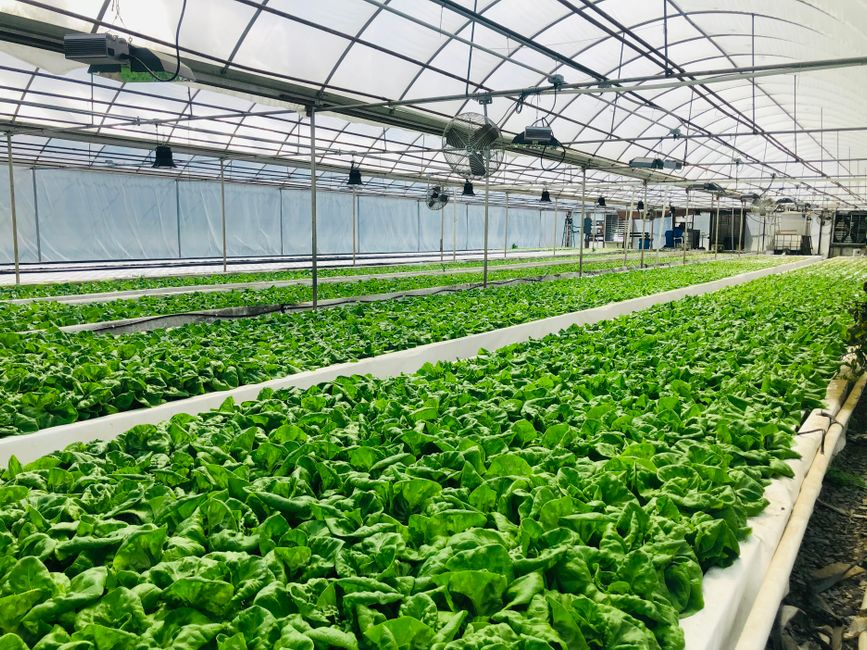
One of the key aspects of vertical farming is the use of hydroponics or aeroponics, which eliminate the need for soil. Instead, crops are grown in nutrient-rich water or mist, allowing for faster growth rates and higher yields. According to recent studies, vertical farms can produce up to 10 times more food per square foot compared to traditional farms.
Benefits of Vertical Farming Technology
Vertical farming technology offers numerous benefits that make it an attractive option for food production. Firstly, it significantly reduces the carbon footprint associated with transporting food. As vertical farms can be located closer to urban centers, the distance food travels from farm to table is minimized.
Moreover, vertical farming uses significantly less water than conventional agriculture. In fact, it is estimated that vertical farms can use up to 90% less water, a critical advantage in regions facing water scarcity. This efficient use of resources not only helps in conserving water but also promotes sustainable farming practices.
Challenges and Considerations
Despite the numerous advantages, vertical farming technology is not without its challenges. The initial setup costs can be substantial, as high-tech equipment and infrastructure are required. Additionally, energy consumption for lighting and climate control can be significant, raising concerns about the overall sustainability of the concept.
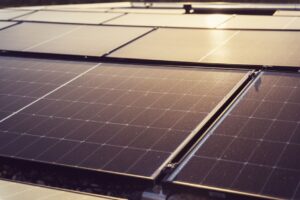
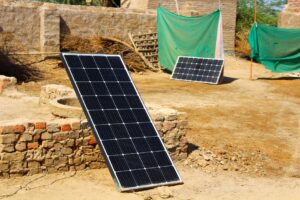
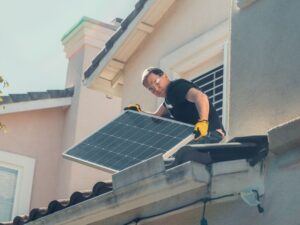
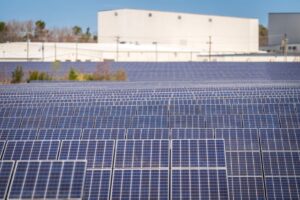
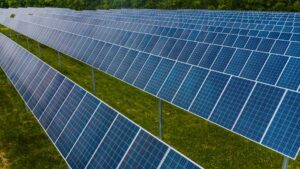
It is essential to address these challenges through innovation and research. For instance, integrating renewable energy sources, such as solar panels, can help mitigate energy costs and enhance sustainability. Furthermore, ongoing advancements in LED technology can improve energy efficiency in vertical farms.
Global Examples of Vertical Farming
Many cities around the world are embracing vertical farming technology as a means of achieving food security. In Singapore, for example, vertical farms are becoming increasingly common as the country seeks to produce more of its food locally. Farms like Sky Greens utilize a unique rotating system that maximizes sunlight exposure and reduces energy consumption.
In the United States, companies like AeroFarms and Plenty are leading the way in vertical agriculture, producing leafy greens and herbs in controlled environments. These companies have reported significant growth rates and have attracted substantial investments, indicating a growing market for vertical farming technology.
The Future of Vertical Farming
The future of vertical farming technology is bright as innovations continue to emerge. With the ongoing challenges of climate change, urbanization, and food security, vertical farming presents a sustainable solution that can adapt to the ever-changing needs of society.
As research and development progress, the potential for vertical farms to integrate with smart technologies, such as IoT and AI, will likely increase. This integration can enhance operational efficiency, allowing farmers to monitor and manage crops more effectively.
As we look forward, it’s clear that vertical farming technology will play a crucial role in the future of agriculture. By embracing this innovative approach, we can work towards a more sustainable and resilient food system.
Conclusion
Vertical farming technology represents a transformative shift in agriculture, offering solutions to some of the most pressing challenges of our time. By maximizing space and minimizing resource use, vertical farms hold the key to sustainable food production in urban environments. As the world continues to evolve, so too must our methods of farming, ensuring that we can meet the needs of a growing population while safeguarding our planet for future generations.