Understanding the Importance of Crop Insurance for Farmers
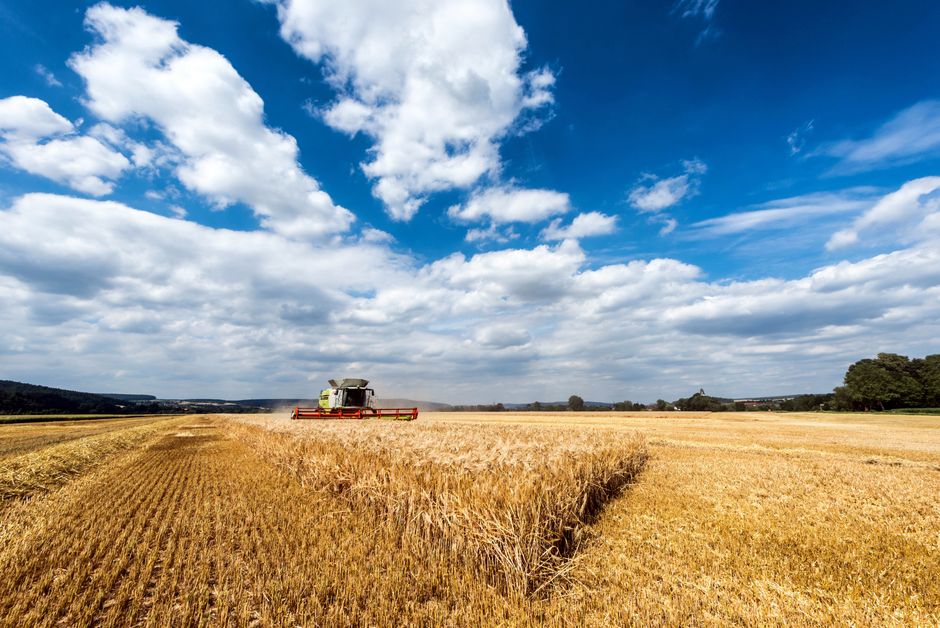
In the ever-evolving world of agriculture, crop insurance has emerged as a crucial financial safeguard for farmers. With climate change, unpredictable weather patterns, and fluctuating market prices, farmers face numerous risks that can jeopardize their livelihoods. This article aims to explore the significance of crop insurance, the types available, and how it can protect farmers from unforeseen challenges.
The Need for Crop Insurance
Agriculture is inherently risky. According to the National Agricultural Statistics Service, in the United States alone, over 40% of farmers report experiencing significant losses due to adverse weather conditions each year. These losses can stem from droughts, floods, or unseasonable frosts, making it imperative for farmers to seek protection. Crop insurance acts as a safety net, helping farmers recover financially when disaster strikes.
Moreover, the volatility of market prices adds another layer of uncertainty. Farmers often invest heavily in seeds, fertilizers, and labor before harvest, and if prices drop unexpectedly, they may not recoup their investments. By utilizing crop insurance, farmers can mitigate these financial risks, ensuring their operations remain sustainable even in tough times.
Types of Crop Insurance Available
Crop insurance comes in various forms, tailored to meet the diverse needs of farmers. The most common types include:
- Revenue Protection (RP): This insurance type protects against both yield loss and price fluctuations, providing a more comprehensive safety net.
- Yield Protection (YP): This option covers losses due to reduced yields, ensuring that farmers receive compensation based on their historical production.
- Multiple Peril Crop Insurance (MPCI): This is a government-backed insurance program that covers a wide range of risks, including natural disasters and disease outbreaks.
Each type of insurance has its advantages, and farmers should carefully consider their unique circumstances when selecting a policy. Understanding the distinctions between these options can significantly impact their financial security.
How to Choose the Right Crop Insurance
Selecting the right crop insurance policy can be a daunting task for many farmers. It requires a thorough understanding of their operation, potential risks, and financial goals. Farmers should start by assessing their specific needs. For instance, those in regions prone to drought may prioritize policies that emphasize yield protection.
Additionally, consulting with insurance agents who specialize in agricultural policies can provide valuable insights. They can help farmers navigate the complexities of different policies and find the best fit for their operations. Furthermore, it is essential for farmers to regularly review their insurance coverage, especially as their farming practices and market conditions evolve.
Benefits of Crop Insurance Beyond Financial Security
While the primary purpose of crop insurance is to provide financial protection, its benefits extend beyond that. Having a crop insurance policy can enhance a farmer’s credibility in the eyes of lenders and investors. When seeking loans or investments for expansion, having insurance coverage demonstrates a commitment to risk management, potentially leading to better financing terms.
Moreover, crop insurance can encourage farmers to adopt more sustainable practices. Knowing that they are protected against certain risks may incentivize them to invest in environmentally friendly farming techniques that can contribute to long-term productivity and resilience.
Conclusion: The Future of Crop Insurance in Agriculture
As agriculture continues to face new challenges, the role of crop insurance will only grow in importance. With advancements in technology and data analytics, the insurance industry is evolving to offer more tailored solutions that meet the needs of modern farmers. By understanding and utilizing crop insurance effectively, farmers can not only protect their livelihoods but also contribute to the overall stability of the agricultural sector.