The Future of Dining: Understanding Restaurant POS Systems
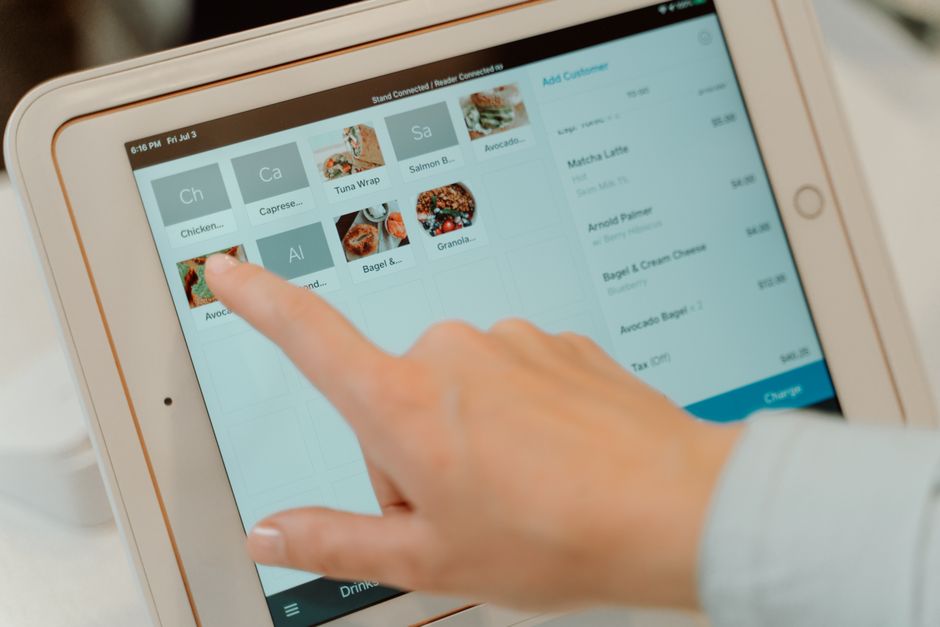
In the ever-evolving landscape of the restaurant industry, the need for efficient management tools has never been greater. One such tool that has revolutionized operations is the Point of Sale (POS) system. These systems not only streamline the sales process but also provide valuable insights into customer behavior, inventory management, and financial reporting. For restaurant owners, understanding and implementing an effective POS system can be the key to enhancing service quality and increasing profitability.
What is a Restaurant POS System?
A restaurant POS system is a digital platform that enables restaurant operators to manage sales transactions, track inventory, and analyze customer data. Unlike traditional cash registers, modern POS systems offer a wide range of features that enhance operational efficiency. They integrate with various payment methods, provide real-time sales tracking, and can even generate detailed reports on sales trends and employee performance.
By utilizing a comprehensive restaurant POS system, businesses can automate many tasks that were previously manual, reducing errors and saving time. This is especially crucial during peak hours when service speed and accuracy are essential for maintaining customer satisfaction.
Key Features of Modern POS Systems
Modern POS systems come equipped with a variety of features designed to meet the specific needs of the restaurant industry. Here are some key features to consider:
1. Inventory Management: A robust POS system provides tools to track inventory levels in real-time, helping restaurant owners avoid stockouts and manage food costs effectively.
2. Customer Relationship Management (CRM): Many POS systems offer CRM capabilities that allow restaurants to collect and analyze customer data, enabling personalized marketing strategies and improved customer service.
3. Employee Management: Features such as scheduling, time tracking, and performance reporting help restaurant managers optimize staff productivity and reduce labor costs.
4. Integration with Other Systems: A good POS should seamlessly integrate with accounting software, online ordering platforms, and delivery services, providing a holistic view of operations.
Benefits of Implementing a POS System
The adoption of a restaurant POS system brings numerous benefits that can significantly impact a restaurant’s bottom line:
1. Increased Efficiency: With streamlined operations, staff can focus more on customer service rather than manual tasks, leading to faster service and increased table turnover rates.
2. Enhanced Accuracy: Automated calculations reduce the risk of human error in transactions, ensuring customers receive the correct bills and inventory levels are accurately tracked.
3. Data-Driven Decisions: Access to real-time data allows restaurant owners to make informed decisions regarding menu pricing, inventory purchases, and marketing strategies, ultimately driving profitability.
Choosing the Right POS System for Your Restaurant
When selecting a POS system, it’s essential to consider several factors:
1. Business Size and Type: Different POS systems cater to various types of restaurants, from quick-service to fine dining. Assessing your specific needs and the scale of your operations is crucial.
2. Budget: POS systems can vary significantly in price, so understanding your budget and the ROI you can expect is vital before making a commitment.
3. Customer Support: A reliable support system is essential for troubleshooting issues quickly. Look for providers that offer comprehensive training and ongoing support.
Conclusion: Embracing the Future of Restaurant Management
In conclusion, a restaurant POS system is not merely a tool for processing transactions; it is an integral component of modern restaurant management that can drive efficiency, enhance customer experiences, and improve profitability. As the restaurant industry continues to evolve, embracing technology such as POS systems will be critical for staying competitive. By investing in the right system and utilizing its features to their full potential, restaurant owners can position themselves for success in an increasingly digital world.