The Art and Science of Barbecue: A Culinary Journey
Barbecue is more than just a cooking method; it is a cultural phenomenon that brings people together and celebrates the joys of food. From the smoky aroma wafting through the air to the tantalizing flavors that dance on the palate, barbecue has a way of transforming ordinary gatherings into unforgettable feasts. This article dives deep into the world of barbecue, exploring its history, techniques, and tips for mastering this beloved culinary art.
A Brief History of Barbecue
The origins of barbecue can be traced back to indigenous cultures in the Americas, where meat was cooked over open flames. The term ‘barbecue’ itself is believed to come from the Taino word ‘barbacoa’, which referred to a method of slow-cooking meat over a wooden framework. As European settlers arrived, they adapted this method, leading to the diverse styles of barbecue we see today. Zeus
In the United States, barbecue has evolved into a regional specialty, with notable styles emerging from Texas, North Carolina, Kansas City, and Memphis. Each region boasts its own unique flavor profiles, cooking techniques, and traditions. For instance, Texas is famous for its brisket, while North Carolina is renowned for its pulled pork. These regional differences reflect the local ingredients and culinary influences that have shaped barbecue culture over centuries.
Barbecue has also become a significant part of social gatherings, with backyard cookouts and competitive barbecue events fostering community and camaraderie. As barbecue continues to grow in popularity, its historical roots remind us of the rich tapestry of cultures that contribute to this delicious cuisine.
Essential Barbecue Techniques
Mastering barbecue requires understanding various cooking techniques, including grilling, smoking, and indirect heat cooking. Each method yields distinct flavors and textures, making it essential for any aspiring pitmaster to familiarize themselves with these approaches.
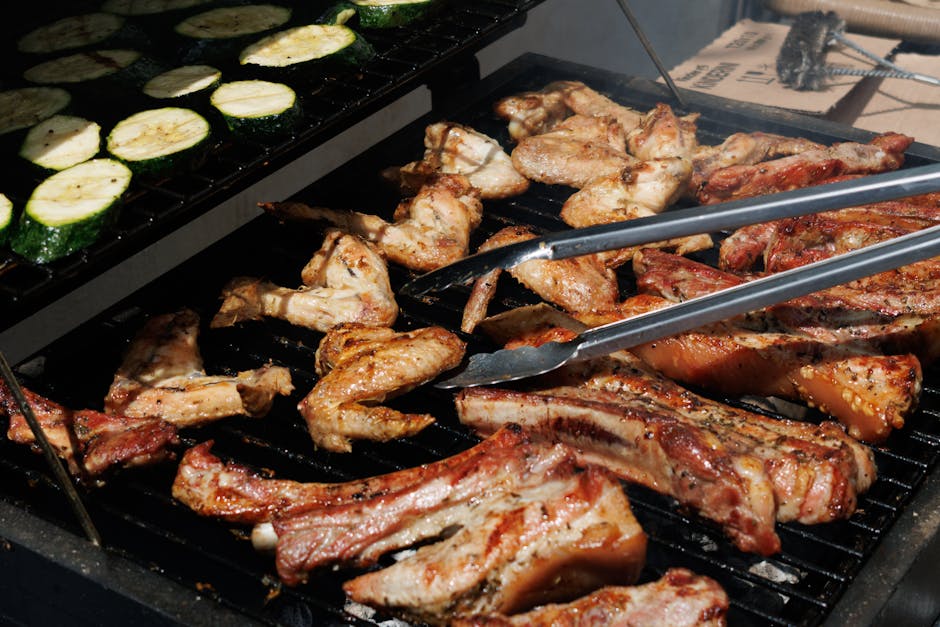
Grilling is perhaps the most well-known technique, involving cooking meat directly over high heat. This method is perfect for quick-cooking items like burgers and hot dogs. However, for larger cuts of meat, such as ribs or brisket, smoking is the preferred choice. Smoking involves cooking meat at low temperatures for an extended period, allowing the flavors to develop richly.
Another essential technique is indirect heat cooking, where the heat source is positioned away from the food. This method is particularly useful for larger cuts that require longer cooking times without burning the exterior. Regardless of the technique used, understanding how to control temperature and timing is crucial for achieving the perfect barbecue.
Choosing the Right Equipment
The equipment you use can significantly impact your barbecue results. Whether you opt for a traditional charcoal grill, a gas grill, or a dedicated smoker, each option has its advantages and disadvantages. Charcoal grills provide a smoky flavor and high heat, while gas grills offer convenience and temperature control.
For those serious about smoking, investing in a quality smoker is worthwhile. There are various types of smokers, including offset, vertical, and pellet smokers, each offering unique benefits. Pellet smokers, for instance, use wood pellets to maintain a consistent temperature and add flavor, making them an excellent choice for beginners.
Regardless of your choice, ensure that you have the necessary accessories, such as thermometers, grilling tools, and storage for your wood chips or charcoal. These items are essential for a successful barbecue experience.
Barbecue Sauces and Marinades
One of the most exciting aspects of barbecue is the wide array of sauces and marinades that can enhance the flavor of your meat. From tangy vinegar-based sauces to sweet and smoky tomato-based options, the possibilities are endless. Understanding the balance of flavors is key to creating a delicious barbecue experience.
Marinades play a crucial role in tenderizing meat and infusing it with flavor. Common ingredients include acidic components like vinegar or citrus, combined with herbs and spices. Allowing the meat to marinate for several hours—or even overnight—can significantly enhance the final dish.
Additionally, many barbecue enthusiasts enjoy experimenting with dry rubs, which are mixtures of spices and herbs applied directly to the meat. A well-crafted dry rub can add complexity and depth to your barbecue, making it an essential component of the cooking process.
Tips for Hosting a Successful Barbecue
Hosting a barbecue can be a delightful experience, but it requires careful planning and execution. Begin by choosing a suitable menu that caters to your guests’ preferences. Offering a variety of meats, sides, and vegetarian options can ensure that everyone finds something they enjoy.
Preparation is key; marinate your meats ahead of time and have all your equipment ready before guests arrive. This allows you to focus on socializing and enjoying the occasion rather than scrambling to get everything done at the last minute.
Finally, consider setting up a designated area for guests to relax and enjoy their food. Providing comfortable seating and shade can enhance the overall experience, making your barbecue a memorable event.
Conclusion
Barbecue is a culinary art steeped in tradition and flavor, offering endless opportunities for creativity and connection. By understanding its history, mastering essential techniques, and experimenting with flavors, you can elevate your barbecue skills to new heights. Whether you are hosting a backyard cookout or entering a competitive barbecue event, remember that the heart of barbecue lies in the joy of sharing delicious food with friends and family. So fire up the grill, gather your loved ones, and embark on a flavorful journey that celebrates the essence of barbecue.