The Intricacies of Book Production: From Manuscript to Published Work
The journey from a writer’s manuscript to a published book is a complex and multifaceted process, often overlooked by those outside the publishing industry. Understanding the stages of book production not only helps authors navigate their publishing journey but also sheds light on the various roles and technologies involved in bringing a book to life. In this article, we will explore the key phases of book production, the essential components involved, and the impact of modern technology on the publishing landscape.
Understanding the Manuscript Stage
The first step in book production is the creation of the manuscript. This phase is crucial as it sets the foundation for the entire project. Writers must invest considerable time and effort into crafting a compelling narrative, developing characters, and ensuring coherence throughout the text. Typically, the manuscript undergoes multiple drafts and revisions, often with the help of beta readers or critique partners who provide feedback.
Once the manuscript is polished, authors might consider engaging a professional editor. Editors play a critical role in refining the content, improving clarity, and enhancing the overall quality of the writing. Different types of editing, including developmental, line, and copy editing, are essential to ensure the manuscript is ready for the next phase of production.
The Importance of Design and Formatting
After the manuscript is finalized, the next stage involves design and formatting. This includes both the interior layout of the book and the cover design. A well-designed cover is vital for attracting readers and conveying the essence of the book. Design professionals often work closely with authors to create a cover that reflects the book’s themes and appeals to its target audience.
Interior formatting is equally important. The layout must be visually appealing and easy to read, with attention to font choice, line spacing, and margins. Many authors choose to hire professional formatters to ensure that their book meets industry standards, particularly if they plan to publish in both print and digital formats.
Printing and Distribution Options
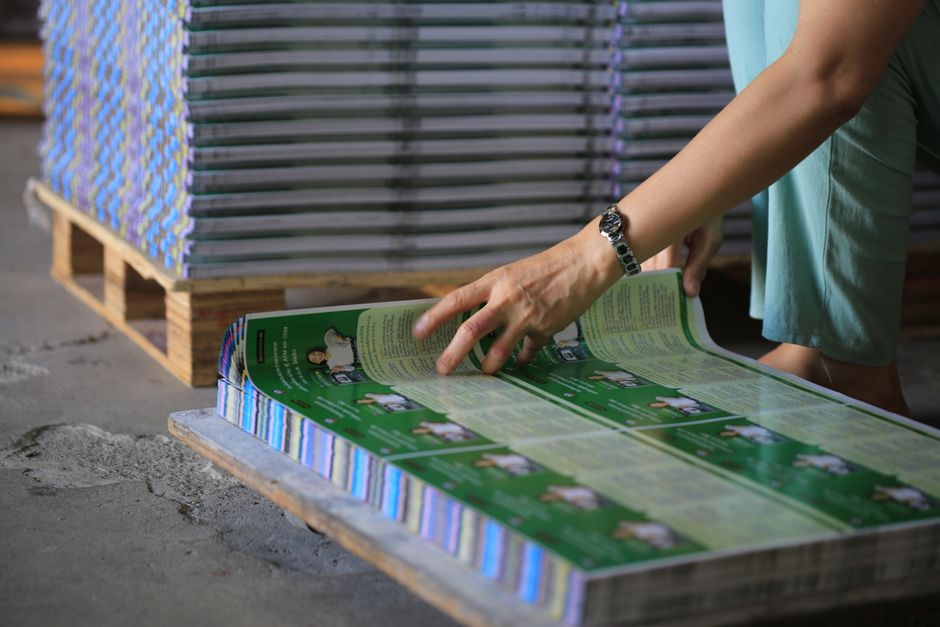
Once the book’s design is complete, the next step is printing. Authors have several options when it comes to printing, including traditional offset printing and print-on-demand (POD) services. Offset printing is often more cost-effective for larger print runs, while POD allows authors to print smaller quantities without the need for significant upfront investment.
Distribution is another critical aspect of book production. Authors must decide whether to distribute their books through traditional publishers, self-publishing platforms, or a hybrid approach. Each option has its own advantages and challenges, influencing factors such as royalties, marketing support, and creative control.
The Role of Marketing in Book Production
Marketing is an essential component of book production that should not be overlooked. Even the best-written book can struggle if it doesn’t reach the right audience. Authors need to develop a marketing strategy that encompasses various channels, including social media, email newsletters, and book signings.
Many authors also choose to collaborate with marketing professionals or publicists to maximize their book’s visibility. This collaboration can include coordinating book launch events, creating promotional materials, and securing media coverage. The goal is to generate buzz around the book and engage potential readers, ultimately leading to increased sales.
Leveraging Technology in Book Production
Modern technology has revolutionized book production, making it more accessible and efficient than ever before. Digital tools allow authors to collaborate with editors and designers remotely, streamlining the revision and feedback process. Additionally, advancements in printing technology have improved the quality and affordability of book production.
Self-publishing platforms empower authors to take control of their publishing journey, allowing them to turn their creative visions into tangible products. For instance, services like turn cards into a book uk enable authors to transform diverse content into a cohesive book format, further expanding their creative possibilities.
Conclusion
In conclusion, book production is a multifaceted process that involves numerous stages, from manuscript creation to marketing and distribution. Understanding these stages and the roles involved can help authors navigate their publishing journey more effectively. As technology continues to evolve, the landscape of book production will undoubtedly change, offering new opportunities for authors to share their stories with the world. By staying informed and adaptable, writers can successfully bring their literary works to life and connect with readers across the globe.