Creating the Perfect Terrace: Design, Functionality, and Style
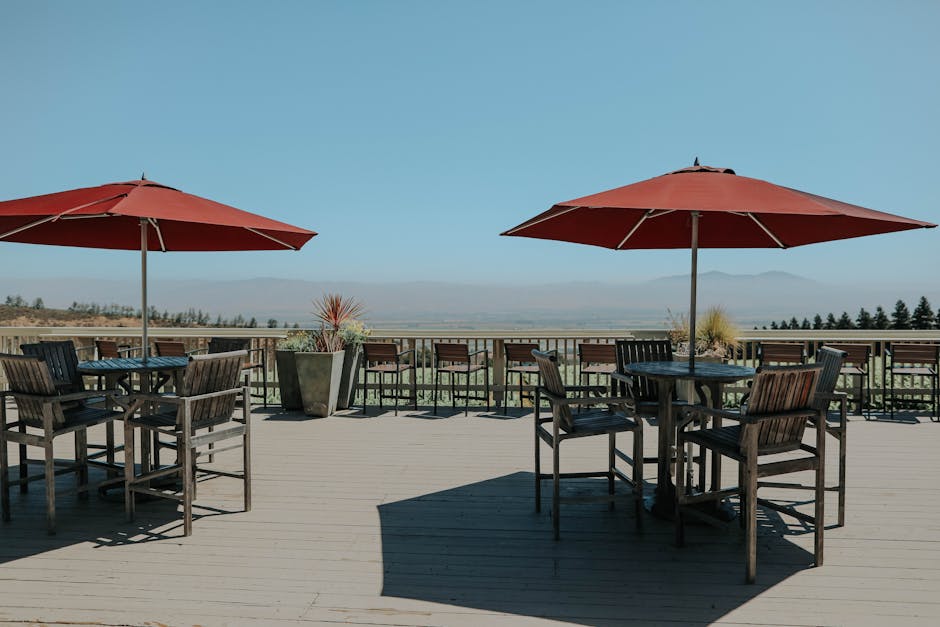
The terrace, often considered an extension of the home, plays a significant role in enhancing the overall living experience. It serves as a sanctuary for relaxation, a venue for social gatherings, and a space for gardening or outdoor cooking. In this article, we will explore the key elements of designing a perfect terrace, diving into aspects such as layout, materials, and decorative ideas that can transform your outdoor space into a personal oasis.
Understanding the Basics of Terrace Design
When planning a terrace, the first step is to consider its purpose. Do you envision a quiet retreat for reading, a lively area for entertaining guests, or perhaps a garden space to cultivate your favorite plants? By defining the primary function of your terrace, you can make informed decisions about its design. Dimensions and layout are also critical; a well-thought-out plan can optimize the use of space and create a harmonious flow between indoor and outdoor areas.
Many homeowners overlook the importance of orientation. The direction your terrace faces will influence sunlight exposure and wind patterns, directly affecting your comfort level. For example, a south-facing terrace will receive more sunlight, making it ideal for sunbathers, while a north-facing terrace may provide cooler, shaded areas suitable for relaxation during hot summer days.
Choosing the Right Materials
The choice of materials for your terrace can significantly impact its aesthetic and functional qualities. Common materials include wood, stone, composite decking, and tiles. Each material has its unique benefits and drawbacks. For instance, wood offers a warm, natural feel but requires regular maintenance to prevent weather damage. On the other hand, stone is durable and low-maintenance but can be more expensive and less comfortable to walk on in bare feet.
In recent years, composite materials have gained popularity for their ease of maintenance and variety of styles. They offer the appearance of wood without the downsides, making them an excellent choice for many homeowners. Additionally, consider incorporating sustainable materials like reclaimed wood or eco-friendly pavers, which not only enhance the look of your terrace but also contribute to environmental preservation.
Incorporating Functional Features
A terrace is not just about aesthetics; it should also be functional. Consider adding features that enhance usability, such as built-in seating, planters, or an outdoor kitchen. Built-in seating can maximize space while providing comfort for guests, and planters can add greenery and promote biodiversity.
Furthermore, installing an outdoor kitchen or grill can elevate your terrace to a culinary haven. Imagine hosting summer barbecues or intimate dinners under the stars with friends and family. This functional feature not only increases the utility of the space but also adds value to your home.
Designing for Comfort and Style
Comfort is key to enjoying your terrace throughout the seasons. Investing in quality outdoor furniture is essential, as it can significantly enhance your experience. Look for weather-resistant materials that can withstand the elements while providing comfort and style. Additionally, incorporate cushions and throws for added coziness.
Lighting is another crucial aspect of terrace design. Strategically placed lights can create a magical atmosphere during the evening. Consider using string lights, lanterns, or even wall sconces to establish a warm ambiance. Not only does lighting enhance the aesthetic, but it also improves safety for evening gatherings.
Lastly, don’t forget about personal touches. Decorate your terrace with artwork, unique planters, or even a small water feature to reflect your personality and style. These elements can turn your terrace into a distinctive space that feels like an extension of your home.
Maintaining Your Terrace
After investing time and resources into creating your perfect terrace, regular maintenance is essential to keep it looking its best. Depending on the materials used, this may include cleaning, sealing, and occasional repairs. For instance, wooden surfaces should be regularly treated to prevent rotting, while stone surfaces may require periodic sealing to maintain their integrity.
Additionally, seasonal maintenance tasks, like cleaning gutters and checking for any weather-related damage, can prevent larger issues down the road. By staying on top of maintenance, you can ensure that your terrace remains a beautiful and functional part of your home for years to come.
Conclusion
Creating the perfect terrace is a rewarding endeavor that enhances your lifestyle and property value. By carefully considering its design, materials, and functionality, you can create a space that not only meets your needs but also serves as a beautiful outdoor sanctuary. Remember to focus on comfort and personal style while also committing to regular maintenance to enjoy your terrace to its fullest potential. For those looking to enhance their outdoor living experience, exploring options like Terrassenüberdachungen can offer additional benefits, such as protection from the elements and increased usability throughout the year.