The Enigmatic World of Perfume: Unveiling Fragrance Secrets
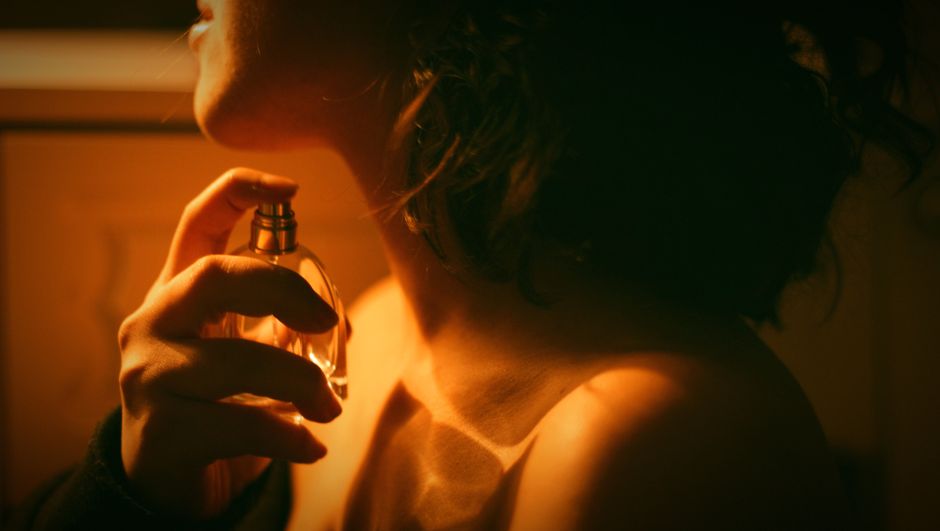
Perfume has been an integral part of human culture for centuries, serving as a means of self-expression and an invisible accessory that enhances our personality. The art of fragrance creation combines science and artistry, resulting in captivating aromas that evoke emotions, memories, and even influence our interactions. In this article, we will delve into the fascinating history, composition, and cultural significance of perfumes, while also exploring how to choose a fragrance that truly represents you.
The History of Perfume
The origins of perfume date back to ancient civilizations. The Egyptians were among the first to document the use of scented oils and incense in their rituals and daily lives. They believed that perfumes had divine properties, capable of pleasing the gods and ensuring a harmonious life. The Greeks and Romans further popularized the use of fragrances, often associating specific scents with various deities and occasions.
During the Renaissance, the art of perfumery evolved dramatically. With advancements in distillation techniques, perfumers began creating more complex and layered scents. Notably, the city of Grasse in France emerged as the global capital of perfume production, a title it holds to this day. Here, the cultivation of flowers such as jasmine and rose became essential to the perfume industry.
In the 19th century, the introduction of synthetic compounds revolutionized the field of perfumery, allowing for the creation of fragrances that were previously unattainable. Today, perfumers blend natural and synthetic ingredients to craft unique scents that cater to diverse tastes and preferences.
The Composition of Perfume
Understanding the composition of perfume is crucial for anyone interested in the art of fragrance. Perfumes are typically made up of three main components: top notes, middle notes, and base notes. Top notes are the initial scents that are perceived immediately upon application; they are often fresh and light, designed to create an initial impression.
Middle notes, or heart notes, emerge once the top notes fade away. These scents form the core of the fragrance and are usually more rounded and richer. Finally, base notes provide depth and longevity to the perfume, lingering on the skin for hours after application. These scents are often warm and sensual, providing a lasting impression.
For those looking to explore high-quality fragrances, brands like Maison Francis Kurkdjian (MFK) offer exquisite options that balance these components masterfully, ensuring a memorable olfactory experience.
Cultural Significance of Perfume
Perfume is not merely a luxury; it plays a significant role in various cultures around the world. In many societies, fragrance is associated with personal identity and social status. For instance, in Middle Eastern cultures, the use of perfume is deeply ingrained, with intricate rituals surrounding its application. Scented oils and attars are often gifted during celebrations, symbolizing respect and affection.
In Western cultures, perfumes are frequently linked to fashion and beauty. Iconic figures, such as Coco Chanel, have revolutionized the industry, making fragrance a staple in modern life. Perfumes are often marketed to evoke specific emotions or lifestyles, targeting consumers’ desires for sophistication, allure, or romance.
Furthermore, studies have shown that scent can significantly influence emotions and behavior. Certain fragrances can evoke nostalgia, comfort, or even arousal, making perfume a powerful tool for self-expression and connection.
Choosing the Right Perfume
Selecting the perfect perfume can be a daunting task, given the vast array of options available. To make the process easier, consider the following tips: first, identify your scent preferences. Do you prefer floral, fruity, woody, or oriental fragrances? Knowing your preferences will help narrow down your options.
Next, test fragrances on your skin rather than on paper strips. The heat of your body can alter the scent, allowing you to experience how it will truly smell. It’s advisable to apply a small amount and wait for a few hours to gauge how the fragrance develops over time.
Finally, remember that perfume should complement your personality and lifestyle. A light, fresh scent may be ideal for daily wear, while a more complex, intense fragrance could be reserved for special occasions. Investing in a quality perfume, such as those from Maison Francis Kurkdjian (MFK), can enhance your overall experience and allow you to express your individuality.
Conclusion
Perfume is a captivating blend of art and science, steeped in history and cultural significance. Its ability to evoke emotions and create lasting impressions makes it an essential aspect of human expression. Whether you are a seasoned fragrance enthusiast or a casual user, understanding the intricacies of perfume can enhance your appreciation for this timeless art form. By exploring different scents and discovering what resonates with you, you can unlock the enchanting world of perfume and make it a part of your daily life.