The Versatility and Benefits of Stainless Steel in Modern Design
Stainless steel has become a cornerstone in various industries, renowned for its durability, aesthetic appeal, and resistance to corrosion. From kitchen appliances to architectural designs, stainless steel offers a unique combination of functionality and style. This article explores the myriad applications of stainless steel, its benefits, and why it remains a popular choice in modern design.
Understanding Stainless Steel
Stainless steel is an alloy primarily composed of iron, with a minimum of 10.5% chromium content. This combination results in a material that resists rust and tarnishing, making it ideal for a wide range of applications. The alloying elements in stainless steel can be adjusted to enhance specific properties, such as strength, ductility, and resistance to extreme temperatures.
There are several grades of stainless steel, each designed for different applications. For instance, 304 stainless steel is commonly used in kitchen equipment due to its excellent corrosion resistance and ease of cleaning. In contrast, 316 stainless steel, which contains molybdenum, is preferred for marine environments because of its enhanced corrosion resistance against saltwater.
The Aesthetic Appeal of Stainless Steel
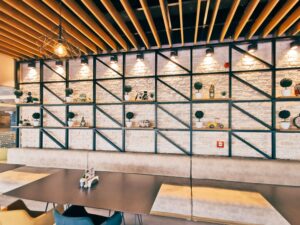
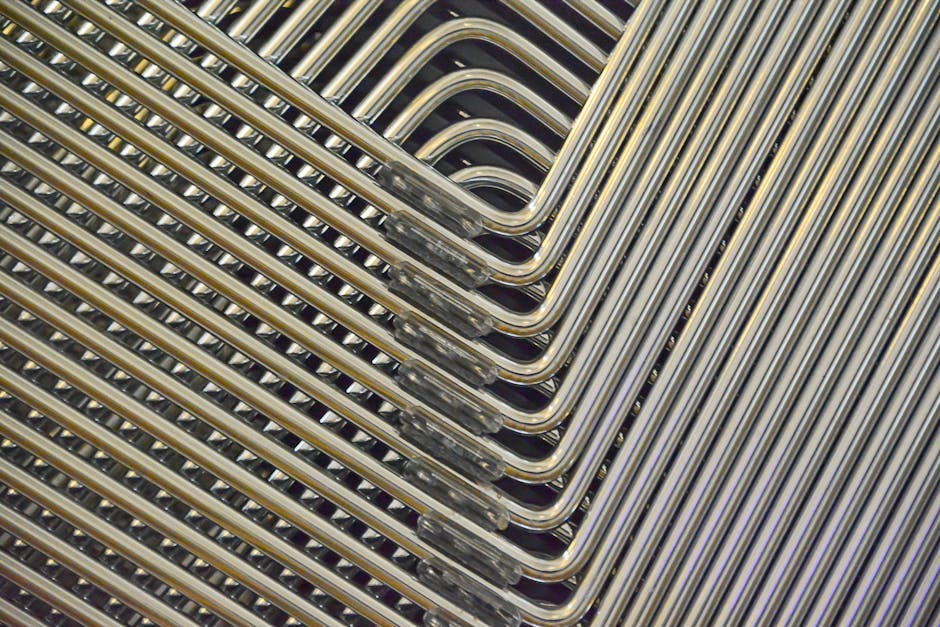
One of the most significant advantages of stainless steel is its sleek and modern appearance. Architects and designers often incorporate stainless steel into their projects to create a contemporary look that complements various styles, from industrial to minimalist. The reflective quality of stainless steel can enhance the visual space, making it an excellent choice for both interior and exterior applications.
For example, many modern kitchens feature stainless steel appliances, countertops, and fixtures that not only serve practical purposes but also elevate the overall design. The versatility of stainless steel allows it to be combined with other materials, such as wood or glass, creating a dynamic contrast that appeals to many homeowners.
Durability and Maintenance
Stainless steel is celebrated for its durability. Unlike other materials that may chip, crack, or warp over time, stainless steel maintains its integrity under various conditions. This makes it an ideal choice for high-traffic areas, such as commercial kitchens and public spaces.
Furthermore, the maintenance of stainless steel is relatively straightforward. Regular cleaning with mild soap and water is usually sufficient to keep surfaces looking new. For areas exposed to harsh conditions, such as outdoor furniture, occasional polishing may be required to maintain the shine. The low maintenance requirements of stainless steel contribute to its long lifespan, making it a cost-effective investment.
Applications of Stainless Steel
The applications of stainless steel are vast and varied. In the food and beverage industry, stainless steel is used for processing equipment, storage tanks, and even utensils due to its hygienic properties. The chemical industry relies on stainless steel for pipelines and reactors, where corrosion resistance is crucial.
In architecture, stainless steel is employed in structural applications, facades, and decorative elements. Its strength-to-weight ratio allows for innovative designs that are both functional and aesthetically pleasing. For instance, the use of stainless steel in outdoor sculptures and installations showcases its ability to withstand weather conditions while still looking striking.
Moreover, the furniture industry has embraced stainless steel for its modern appeal. Many contemporary furniture pieces incorporate stainless steel frames or accents, providing a touch of elegance while ensuring durability. In this context, many consumers are turning to a Furniture Company In Saudi Arabia that specializes in contemporary designs that feature stainless steel elements.
Environmental Impact and Sustainability
As the world increasingly focuses on sustainability, stainless steel stands out as an environmentally friendly material. It is 100% recyclable, meaning that end-of-life products can be repurposed without losing quality. This characteristic not only reduces waste but also conserves resources by minimizing the need for new raw materials.
Furthermore, the production of stainless steel has become more energy-efficient, contributing to a lower carbon footprint compared to other materials. Companies that prioritize sustainability are now more inclined to choose stainless steel for their projects, aligning with global efforts to reduce environmental impact.
Conclusion
In conclusion, stainless steel’s unique properties and versatility make it a preferred choice across various industries. Its aesthetic appeal, durability, low maintenance, and eco-friendliness further enhance its desirability. As we continue to innovate in design and technology, stainless steel will undoubtedly remain a key material in shaping modern environments.