Understanding the Role of Distributors in Modern Supply Chains

In today’s fast-paced marketplace, the role of distributors has become increasingly crucial. They are the backbone of supply chains, ensuring that products reach retailers and ultimately consumers in a timely manner. With the rise of e-commerce and globalization, the distributor’s role has evolved significantly, adapting to new challenges and opportunities. This article explores the multifaceted nature of distributors, their importance in various industries, and the strategies they employ to thrive in a competitive environment.
The Function of Distributors in Supply Chains
Distributors serve as intermediaries between manufacturers and retailers, playing a vital role in the supply chain. Their primary function is to purchase large quantities of products from manufacturers and distribute them to various retailers or directly to consumers. This process not only helps in managing inventory but also reduces the burden on manufacturers, allowing them to focus on production.
Moreover, distributors often provide additional services such as marketing, warehousing, and transportation. This comprehensive approach enables manufacturers to expand their reach without needing to invest heavily in logistics and distribution networks. For instance, a distributor may handle the logistics of transporting goods from a factory in China to a retail store in the United States, streamlining the process and reducing costs.
In addition to logistics, distributors can also offer valuable market insights. By working closely with retailers, they gather data on consumer preferences and trends, which can inform manufacturers’ product development strategies.
Types of Distributors
There are various types of distributors, each serving different market needs. Broadly, they can be categorized into three main types: wholesalers, retailers, and specialized distributors.
Wholesalers typically purchase goods in bulk from manufacturers and sell them to retailers. They act as a bridge between production and retail, often handling large volumes of diverse products. Retailers, on the other hand, sell directly to consumers and may operate physical stores or e-commerce platforms. Specialized distributors focus on niche markets, providing unique products and services tailored to specific consumer segments.
Each type of distributor has its own set of challenges and opportunities. For example, wholesalers must manage large inventories and ensure efficient logistics, while retailers need to create engaging shopping experiences to attract consumers. Specialized distributors may face competition from larger firms but can capitalize on their expertise in niche markets.
The Impact of Technology on Distribution
Technology has revolutionized the distribution landscape, introducing new tools and platforms that enhance efficiency and connectivity. From advanced logistics software to e-commerce platforms, technology enables distributors to streamline operations, manage inventory in real-time, and improve customer satisfaction.
For instance, the use of data analytics allows distributors to optimize their supply chains by predicting demand fluctuations and adjusting inventory levels accordingly. This proactive approach minimizes stockouts and reduces excess inventory, ultimately leading to cost savings.
Moreover, technology facilitates better communication between manufacturers, distributors, and retailers. Platforms that enable real-time tracking of shipments and inventory levels help all parties stay informed, fostering collaboration and transparency. As a result, distributors can respond quickly to market changes, ensuring that products are available when consumers need them.
Challenges Faced by Distributors
Despite their critical role, distributors face various challenges that can impact their operations. One significant challenge is the increasing competition from direct-to-consumer (DTC) models. Many manufacturers are choosing to sell their products directly to consumers, bypassing traditional distribution channels. This shift can threaten the viability of distributors, requiring them to adapt their business models.
Additionally, economic fluctuations and supply chain disruptions, such as those caused by pandemics or natural disasters, can pose significant risks. Distributors must be agile and resilient, able to pivot their strategies to navigate these uncertainties.
Furthermore, evolving consumer preferences and the demand for sustainability are reshaping the distribution landscape. Distributors must find ways to meet these new expectations, such as adopting eco-friendly practices and offering products that align with consumers’ values.
Future Trends in Distribution
Looking ahead, the distribution industry is poised for significant transformation. The rise of e-commerce and changing consumer behaviors are driving distributors to innovate continually. One trend is the increasing importance of omnichannel distribution strategies, where distributors leverage multiple sales channels to reach consumers effectively.
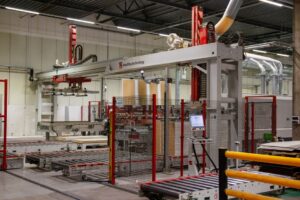
Additionally, automation and artificial intelligence are expected to play a more prominent role in distribution. From automated warehouses to AI-driven logistics solutions, these technologies can enhance efficiency and accuracy, allowing distributors to stay competitive.
Furthermore, the focus on sustainability is likely to grow, with distributors seeking to minimize their environmental impact through eco-friendly practices and sustainable sourcing. This shift not only appeals to environmentally conscious consumers but also aligns with global efforts to combat climate change.
Conclusion
In conclusion, distributors are essential players in the modern supply chain, bridging the gap between manufacturers and consumers. Their ability to adapt to changing market dynamics, leverage technology, and respond to consumer demands will determine their success in the future. As the industry continues to evolve, distributors must embrace innovation and find new ways to create value for their partners and customers. By doing so, they will remain integral to the supply chain ecosystem and continue to drive economic growth.
In this context, exploring products like dmso gel can also provide distributors with unique opportunities to cater to niche markets and enhance their portfolios.