The Future of Exploration: Virtual Tour Photography
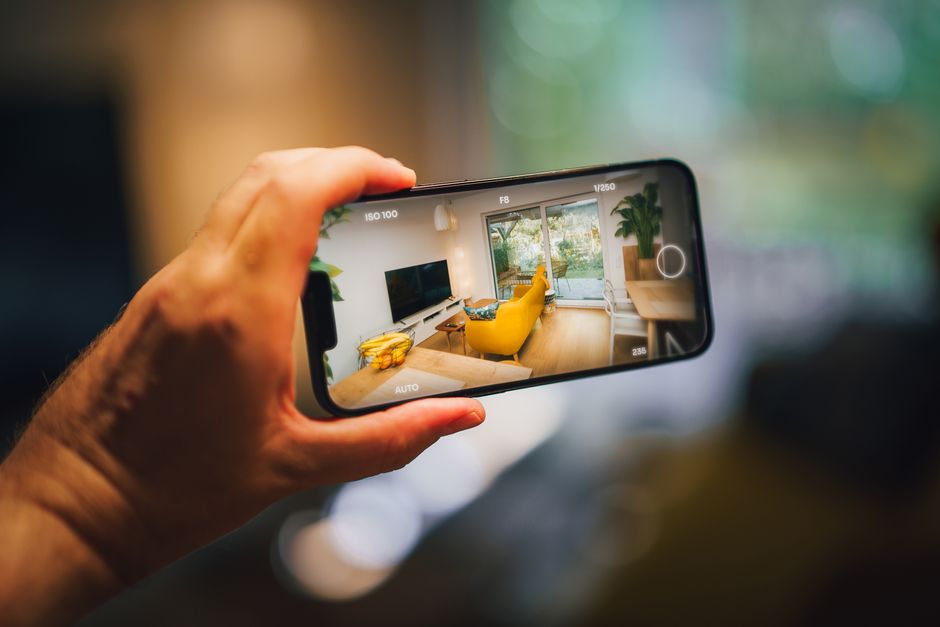
In a world that is becoming increasingly digital, virtual tour photography has emerged as a powerful tool for exploration and engagement. This innovative approach allows people to experience destinations, properties, and events from the comfort of their own homes. As technology continues to advance, the applications of virtual tour photography are expanding, offering new possibilities for businesses and consumers alike. In this article, we will delve into the various aspects of virtual tour photography, its benefits, and how it is transforming the way we interact with our surroundings.
Understanding Virtual Tour Photography
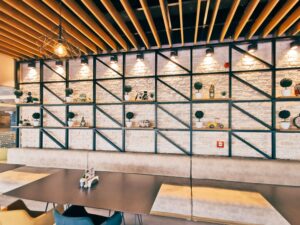
Virtual tour photography is a technique that combines 360-degree photography, videography, and interactive elements to create immersive experiences. This format allows viewers to navigate through spaces as if they were physically present, providing a sense of depth and realism that traditional photography cannot match. By utilizing specialized equipment, such as 360-degree cameras and software, photographers can capture entire environments, offering a comprehensive view that is both engaging and informative.
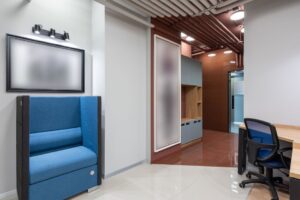
The significance of virtual tour photography has grown with the rise of online interactions and digital marketing. Businesses across various industries, from real estate to tourism, have recognized the potential of this medium to showcase their offerings and attract potential customers. For example, a real estate agent can provide prospective buyers with virtual tours of properties, allowing them to explore homes without leaving their current location. This not only saves time but also enhances the decision-making process.
The Benefits of Virtual Tour Photography
One of the primary advantages of virtual tour photography is its ability to enhance customer engagement. In an era where attention spans are dwindling, captivating visuals can make a significant difference. Virtual tours create interactive experiences that keep users engaged longer than static images or videos. According to a study by the National Association of Realtors, listings with virtual tours receive 87% more views than those without.
Additionally, virtual tours can serve as a powerful marketing tool. They allow businesses to showcase their unique selling points and differentiate themselves from competitors. For instance, a hotel can highlight its amenities, room layouts, and ambiance through a virtual tour, making it easier for potential guests to envision their stay. This not only increases the likelihood of bookings but also builds trust and credibility.
Moreover, virtual tours can significantly reduce the costs associated with traditional marketing methods. Instead of organizing physical tours or events, businesses can create a single virtual tour that can be shared across multiple platforms, reaching a wider audience without incurring additional expenses. This scalability is particularly beneficial for small businesses looking to maximize their marketing budget.
Technological Innovations in Virtual Tour Photography
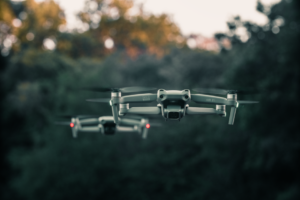
The evolution of technology has played a crucial role in the advancement of virtual tour photography. Innovations in camera technology, such as higher resolution and improved stitching software, have made it easier to capture stunning visuals. Additionally, the integration of virtual reality (VR) and augmented reality (AR) into virtual tours has taken the experience to a whole new level.
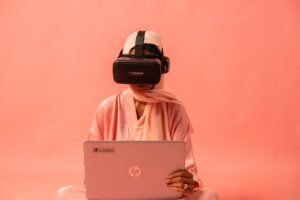
For example, VR headsets allow users to immerse themselves fully in a virtual environment, providing a sense of presence that enhances the overall experience. This technology is particularly popular in the real estate sector, where potential buyers can take virtual walkthroughs of properties from anywhere in the world. As VR technology continues to evolve, we can expect even more realistic and engaging virtual tours in the future.
On the other hand, AR can be used to overlay information and interactive elements onto the physical world, creating a hybrid experience that blends reality with digital enhancements. This is particularly useful in educational settings, where virtual tours can be combined with informative content to create engaging learning experiences.
Applications of Virtual Tour Photography
The applications of virtual tour photography are vast and varied. In the tourism industry, it has become an invaluable tool for travel agencies and attractions to showcase destinations. Virtual tours allow potential travelers to explore landmarks, museums, and natural wonders before deciding to visit, ultimately influencing their travel plans.
Similarly, in the education sector, virtual tours can offer students opportunities to explore historical sites, scientific facilities, and cultural institutions without the constraints of time or geography. For instance, a virtual tour of a historical battlefield can provide students with a deeper understanding of history, enhancing their learning experience.
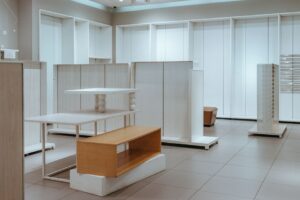
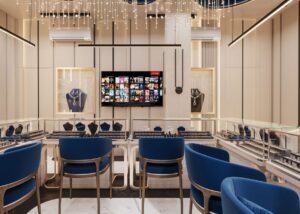
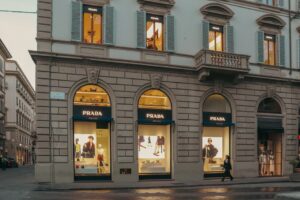
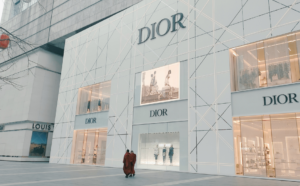
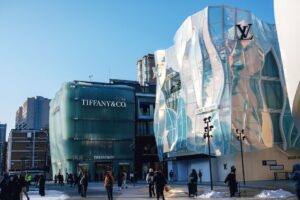
In addition, businesses in the retail sector are leveraging virtual tour photography to showcase their stores and products. By creating immersive shopping experiences online, retailers can attract customers who prefer to shop from home while still delivering the excitement of in-store browsing.
Conclusion
As we move further into the digital age, virtual tour photography is poised to play an increasingly significant role in how we explore and interact with our world. Its ability to create immersive experiences, enhance engagement, and serve as a cost-effective marketing tool makes it a valuable asset for businesses across various industries. Whether in real estate, tourism, education, or retail, the potential applications of virtual tour photography are limitless. Those who embrace this innovative medium will not only stay ahead of the competition but also redefine how customers experience their offerings. For more insights into virtual tour photography, keep exploring the possibilities it brings to your business.