Exploring the Future of Virtual Tour Photography

In an era where digital experiences are becoming increasingly vital, virtual tour photography is emerging as a transformative tool for businesses, real estate, and tourism. This innovative approach allows viewers to immerse themselves in a space without physically being there, making it a game-changer in various industries. As we delve into the world of virtual tour photography, we will explore its benefits, applications, and the future it holds for professionals and consumers alike.
What is Virtual Tour Photography?
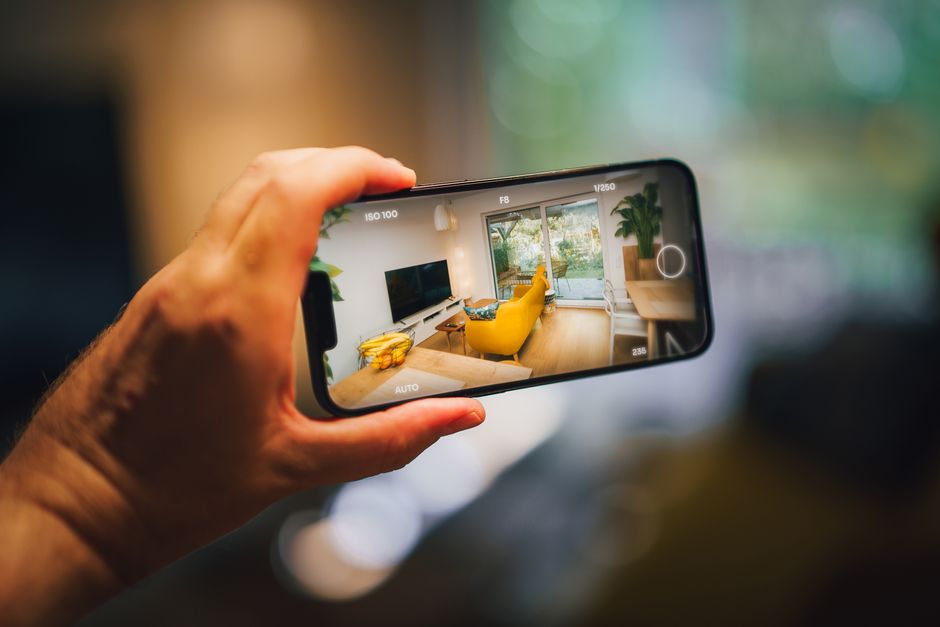
Virtual tour photography involves the creation of immersive, 360-degree images that allow viewers to navigate through a space as if they were physically present. This technology combines high-resolution photography with interactive elements, providing a comprehensive view of environments ranging from homes to museums. The process typically includes capturing multiple images from various angles and stitching them together using specialized software.
The significance of virtual tour photography lies in its ability to convey a sense of presence and realism that traditional photography cannot achieve. For instance, potential homebuyers can explore properties remotely, making informed decisions without the need for physical visits. Additionally, businesses can showcase their facilities, enhancing customer engagement and trust.
Applications in Real Estate
One of the most impactful applications of virtual tour photography is in the real estate sector. Real estate agents and property developers are increasingly adopting this technology to enhance listings and attract potential buyers. According to a National Association of Realtors report, listings with virtual tours receive 87% more views than those without.
This increase in visibility translates into faster sales and higher selling prices. Potential buyers appreciate the convenience of exploring properties at their own pace, allowing them to narrow down their choices before scheduling in-person visits. Furthermore, virtual tours can showcase properties in their best light, highlighting unique features and layouts that may be overlooked in traditional photographs.
Enhancing Tourism with Virtual Tours
The tourism industry is also leveraging virtual tour photography to attract visitors. Travel agencies and destination marketing organizations are using virtual tours to showcase attractions, hotels, and experiences. For example, a virtual tour of a famous landmark can entice travelers by providing a taste of what to expect.
Research indicates that 67% of travelers are more likely to visit a destination after experiencing a virtual tour. This trend is particularly useful for international travel, where potential visitors can explore locations and accommodations from the comfort of their homes. Virtual tours can also serve as a marketing tool for local businesses, allowing them to highlight unique offerings and experiences that set them apart.
Technological Advancements in Virtual Tour Photography
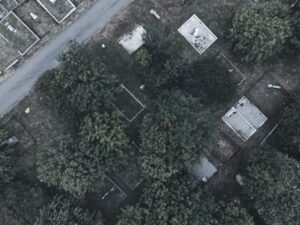
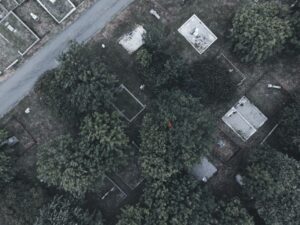
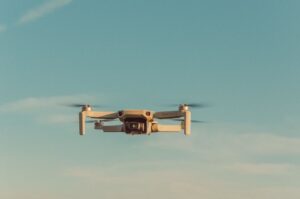
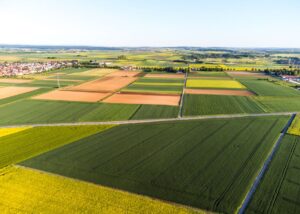
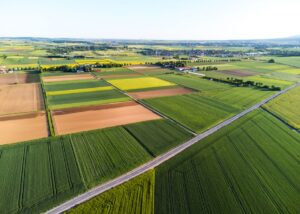
The evolution of technology plays a crucial role in the advancement of virtual tour photography. High-resolution cameras, drones, and 3D mapping software are continuously improving the quality and accessibility of virtual tours. Drones, in particular, have revolutionized the way photographers capture expansive landscapes and hard-to-reach locations, offering stunning aerial views that were previously unattainable.
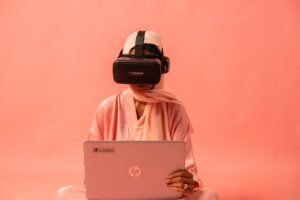
Moreover, advancements in virtual reality (VR) and augmented reality (AR) are transforming the way users interact with virtual tours. With VR headsets, users can experience environments in a fully immersive way, enhancing engagement and emotional connection. As these technologies continue to develop, the potential applications for virtual tour photography will expand even further.
Challenges and Considerations
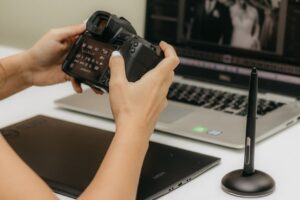
Despite its many advantages, virtual tour photography also presents challenges that professionals must navigate. One primary concern is the cost associated with high-quality equipment and software. While prices have decreased over the years, investing in the right tools is crucial for producing professional-grade virtual tours.
Additionally, creating effective virtual tours requires a keen understanding of composition, lighting, and technical skills. Photographers must be adept at using specialized software to stitch images seamlessly and create an interactive experience. This expertise is essential for ensuring that the final product meets industry standards and effectively engages the audience.
Conclusion
Virtual tour photography is redefining how we experience spaces and interact with businesses. Its applications in real estate and tourism demonstrate its potential to enhance engagement and streamline decision-making processes. As technology continues to advance, the future of virtual tour photography looks promising, offering innovative ways to connect and immerse audiences in experiences. For those looking to explore this exciting field, incorporating virtual tour photography into their marketing strategy can provide a competitive edge and open new avenues for growth.