The Art of Restaurant Interior Design: Creating Memorable Dining Experiences
Restaurant interior design goes beyond mere aesthetics; it is a powerful tool that can significantly impact customer experience and business success. The ambiance of a restaurant plays a crucial role in attracting and retaining customers. By thoughtfully designing the interior space, restaurant owners can create a unique identity that resonates with their target audience. In this article, we will explore the various elements and trends in restaurant interior design that can help elevate a dining establishment.
Understanding the Importance of Interior Design
Interior design is a critical aspect of the restaurant industry, influencing not only the visual appeal but also the functionality of the space. According to a study by the National Restaurant Association, 60% of consumers said they would choose a restaurant based on its interior design. This statistic highlights the importance of creating an inviting atmosphere that encourages diners to stay longer and spend more.
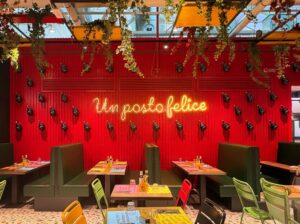
Moreover, a well-designed interior can enhance the overall dining experience. Elements such as lighting, furniture layout, and color schemes can evoke emotions and set the mood for a meal. For instance, warm lighting and earthy tones can create a cozy environment, while bright colors and modern fixtures may appeal to a younger crowd looking for a vibrant atmosphere.
Key Elements of Restaurant Interior Design
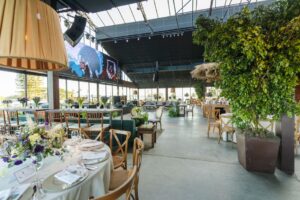
Several key elements contribute to effective restaurant interior design. First and foremost, the layout is crucial. A well-planned layout ensures smooth movement for both customers and staff, enhancing service efficiency. Open floor plans can create a sense of spaciousness, while intimate nooks can provide privacy for diners.
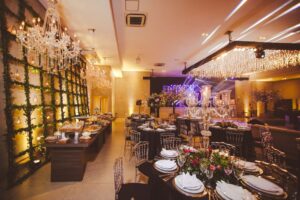
Another vital aspect is furniture selection. The choice of tables, chairs, and booths should align with the restaurant’s theme and target demographic. For example, casual dining establishments may opt for comfortable, easy-to-move furniture, while fine dining restaurants often invest in more upscale, elegant pieces.
Color schemes also play a significant role in the perception of a space. Research indicates that colors can influence appetite and mood. For instance, red and yellow are known to stimulate appetite, making them popular choices for fast-food restaurants. In contrast, blues and greens can create a calming environment, suitable for upscale dining.
Current Trends in Restaurant Interior Design
As customer preferences evolve, so do the trends in restaurant interior design. One of the most notable trends is the incorporation of sustainable materials. Many consumers are becoming more environmentally conscious, prompting restaurants to adopt eco-friendly designs that use recycled or locally sourced materials.
Additionally, open kitchens and chef’s tables have gained popularity. These designs not only provide transparency but also create an interactive experience for diners, allowing them to engage with the culinary process. This trend can be particularly effective for establishments that focus on high-quality ingredients and artisanal cooking.
Another trend is the use of technology in interior design. Digital menus, interactive displays, and augmented reality elements are becoming more prevalent, enhancing the overall customer experience. Such innovations can not only streamline service but also create a unique dining atmosphere that sets a restaurant apart from its competitors.
Creating a Unique Brand Identity Through Design
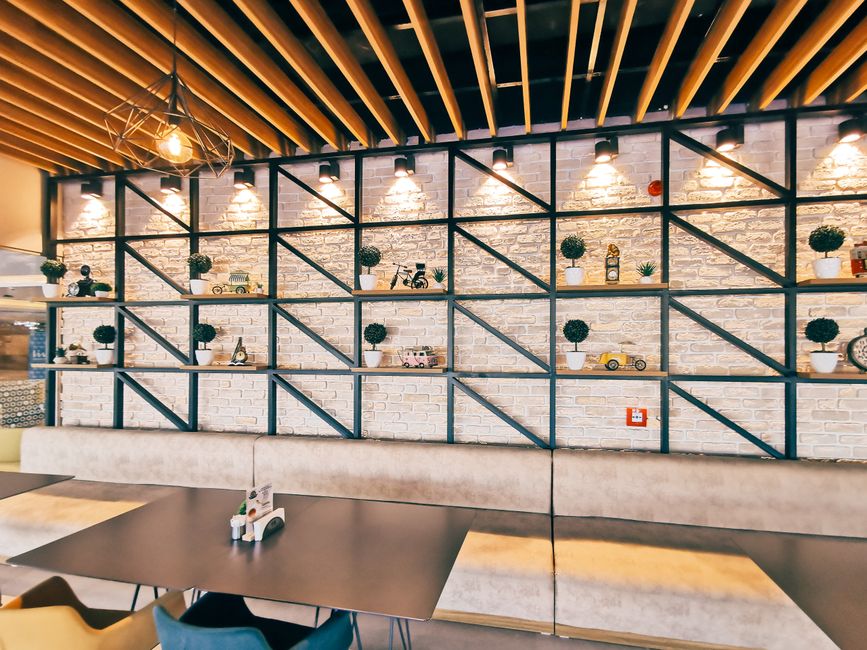
Restaurant interior design is a powerful way to establish a brand identity. Every element, from the color palette to the furniture style, should reflect the restaurant’s concept and mission. For example, a rustic Italian restaurant may feature exposed brick walls, wooden beams, and vintage decor, while a modern sushi bar might embrace minimalist design with sleek lines and a monochromatic color scheme.
Moreover, storytelling through design can create a deeper connection with customers. Incorporating local art, historical elements, or cultural motifs can provide diners with a sense of place and enhance their dining experience. This approach not only makes the restaurant more memorable but also fosters a sense of community.
Conclusion: The Future of Restaurant Interior Design
In conclusion, restaurant interior design is an essential aspect that can significantly influence customer satisfaction and loyalty. As trends evolve, restaurant owners must stay abreast of design innovations to create spaces that resonate with their target audience. By understanding the importance of layout, furniture, color schemes, and current trends, restaurant owners can craft a compelling environment that enhances the dining experience. For those seeking professional guidance, exploring resources related to restaurant interior design can provide valuable insights and inspiration for creating a successful dining establishment.