Understanding the Importance of Drug Testing Services

In today’s fast-paced world, drug testing services play a crucial role in ensuring safety and compliance across various sectors. From workplaces to schools, the necessity for reliable drug testing has increased significantly. This article delves into the importance, types, and processes of drug testing services, highlighting their impact on public health and safety.
The Significance of Drug Testing Services
Drug testing services are essential for maintaining a drug-free environment, particularly in workplaces where safety is paramount. According to the National Institute on Drug Abuse, drug abuse costs employers over $81 billion annually due to lost productivity, accidents, and health care. Implementing drug testing can help mitigate these costs and promote a healthier workplace.
Moreover, drug testing services serve as a deterrent against substance abuse. When employees know that they are subject to testing, they are less likely to engage in drug use. This proactive approach not only protects the workforce but also enhances overall morale and productivity.
Types of Drug Testing Services
There are several types of drug testing services available, each tailored to specific needs. The most common types include urine testing, saliva testing, hair testing, and blood testing. Each method has its own advantages and limitations.
Urine drug testing is the most widely used method due to its cost-effectiveness and ease of administration. It can detect a range of substances, including marijuana, cocaine, and opiates. Saliva testing, on the other hand, is less invasive and can provide results rapidly, making it ideal for on-the-spot testing.
Hair testing is useful for detecting long-term drug use, as it can reveal a history of substance abuse over several months. Blood testing is the most accurate method but is also the most invasive and expensive. Organizations must evaluate their needs and choose the testing method that best fits their requirements.
Process of Drug Testing
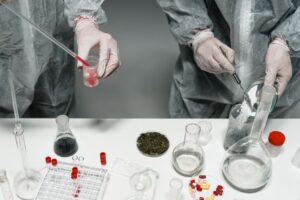
The drug testing process typically involves several steps. Initially, a specimen is collected from the individual, followed by laboratory analysis to detect the presence of drugs or their metabolites. After the analysis, results are interpreted by qualified personnel.
In some cases, confirmatory tests are necessary to ensure accuracy. For instance, if initial screenings suggest the presence of drugs, a more specific test, such as gas chromatography-mass spectrometry (GC-MS), may be conducted to confirm the results.
Employers should also ensure that they follow proper protocols to maintain the integrity of the testing process. This includes providing training for personnel, establishing clear policies, and respecting the rights of employees during testing.
Challenges and Considerations
While drug testing services are beneficial, they are not without challenges. One major concern is the potential for false positives, which can occur due to various factors such as cross-reactivity with legal medications. This underscores the importance of confirmatory testing and proper interpretation of results.
Additionally, employers must navigate the legal landscape surrounding drug testing. Laws and regulations vary by region, and organizations must ensure compliance to avoid legal repercussions. This includes obtaining consent from employees and maintaining confidentiality regarding test results.
Future of Drug Testing Services
The future of drug testing services appears promising, with advancements in technology paving the way for more efficient and accurate testing methods. Innovations such as rapid testing devices and mobile testing units are becoming more prevalent, making it easier for organizations to implement drug testing.
Moreover, as societal attitudes towards drug use continue to evolve, there is a growing emphasis on comprehensive drug policies that include support for individuals struggling with substance abuse. This holistic approach not only addresses immediate concerns but also promotes long-term recovery and well-being.
In conclusion, drug testing services are an integral part of maintaining safe environments in various sectors. By understanding the significance, types, and processes involved, organizations can effectively implement drug testing programs that promote health and safety. For those looking for a reliable drug testing service, exploring the options available can lead to informed decisions that benefit both employees and employers.