The Essential Role of a Commercial Interior Designer in Modern Business
In today’s competitive market, the physical environment of a business plays a crucial role in attracting clients and fostering a productive workplace. This is where a commercial interior designer comes in. They are not only responsible for creating aesthetically pleasing spaces but also for optimizing functionality and workflow. As businesses increasingly recognize the importance of interior design, the demand for skilled commercial interior designers continues to grow.
Understanding the Role of a Commercial Interior Designer
The primary responsibility of a commercial interior designer is to enhance the interior of a commercial space to achieve a healthier and more aesthetically pleasing environment for the people who use it. This involves a variety of tasks, such as space planning, selecting furnishings, and considering the overall layout of a space. A well-designed space can significantly influence employee productivity, customer satisfaction, and even the perception of the brand.
Furthermore, commercial interior designers often collaborate with architects, contractors, and other professionals to ensure that the design is feasible and aligns with the overall vision of the project. They must be adept at understanding building codes, safety regulations, and sustainability practices, ensuring that their designs not only look good but are also practical and compliant.
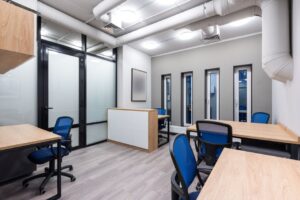
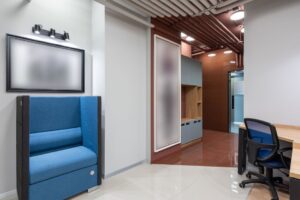
For instance, in a corporate office setting, a commercial interior designer might focus on creating an open floor plan that encourages collaboration while also providing private areas for focused work. The strategic placement of furniture, the choice of colors, and the incorporation of natural light are all elements that can enhance the working experience for employees.
The Importance of Functionality in Design
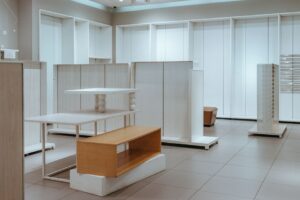
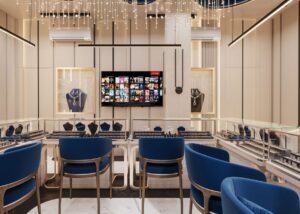
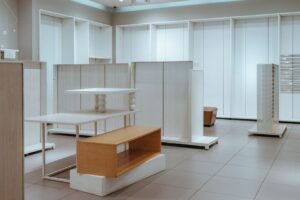
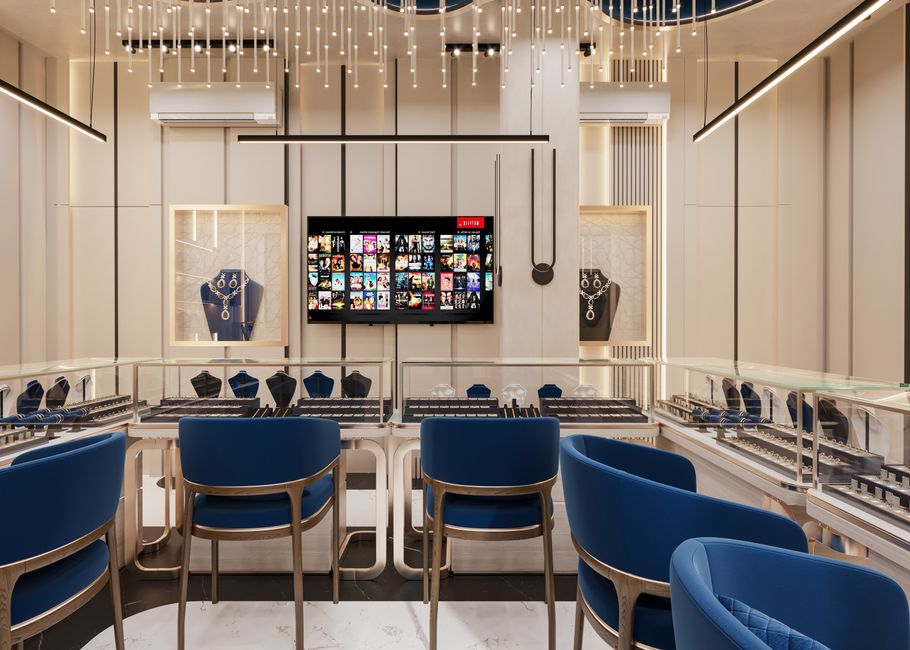
While aesthetics are important, functionality is equally critical in commercial interior design. A well-designed space must cater to the specific needs of its users. For example, in retail environments, the layout should facilitate customer flow and highlight key products. In contrast, in a restaurant, the design must consider the dining experience, from seating arrangements to kitchen visibility.
Commercial interior designers often conduct thorough needs assessments to gather information on how a space will be used. This can involve interviews with stakeholders, surveys of employees, and an analysis of customer behavior. By understanding how people interact with a space, designers can create environments that not only look good but also serve their intended purpose effectively.
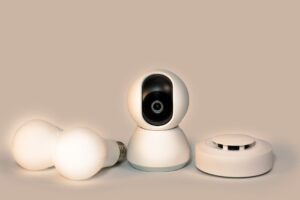
Additionally, the use of technology in commercial spaces is on the rise. Designers must stay updated on the latest trends in technology integration, ensuring that spaces are equipped with the necessary infrastructure for tech solutions, such as smart lighting systems or advanced audiovisual equipment.
Trends in Commercial Interior Design
As we move further into the 21st century, several trends have emerged in the field of commercial interior design. Sustainability is at the forefront, with businesses increasingly seeking eco-friendly materials and energy-efficient solutions. A commercial interior designer must be knowledgeable about sustainable practices, such as using reclaimed materials or incorporating green spaces into their designs.
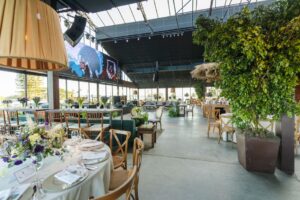
Biophilic design, which emphasizes the connection between humans and nature, is another growing trend. This approach incorporates natural elements, such as plants and water features, into commercial spaces to improve the well-being of occupants. Studies have shown that environments that include natural elements can reduce stress and enhance creativity.
Moreover, the rise of remote work has led to a shift in how office spaces are designed. Many companies are rethinking their layouts to accommodate flexible work environments that can support both in-office and remote employees. This may involve creating multifunctional spaces that can be easily adapted for different uses.
Case Studies: Successful Commercial Interior Design Projects
To illustrate the impact of effective commercial interior design, consider the case of a tech startup that engaged a commercial interior designer to revamp their office space. The designer transformed a dull, traditional office into a vibrant, collaborative environment filled with breakout areas, creative meeting rooms, and relaxation zones. The result was a marked increase in employee satisfaction and productivity, demonstrating how thoughtful design can enhance workplace culture.
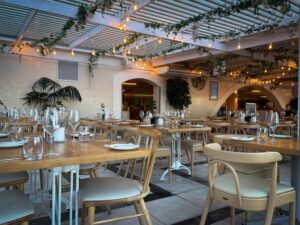
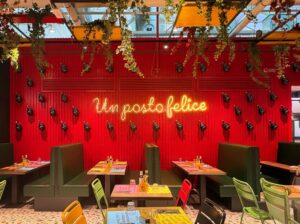
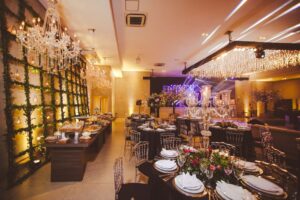
Another example is a restaurant that hired a commercial interior designer to create a unique dining experience. The designer incorporated local art, custom furniture, and an open kitchen concept, which not only beautified the space but also created an engaging atmosphere for diners. Following the renovation, the restaurant saw a significant increase in foot traffic and customer reviews, emphasizing the importance of design in attracting clientele.
These case studies highlight the transformative power of commercial interior design and how it can lead to tangible business results. By investing in professional design services, companies can enhance their brand image, improve employee morale, and ultimately drive profitability.
Conclusion
In summary, the role of a commercial interior designer is essential in today’s business landscape. They bring a unique blend of creativity, functionality, and technical knowledge to the table, which can significantly impact a company’s success. As businesses strive to create environments that resonate with their brand and cater to the needs of their employees and customers, the expertise of a commercial interior designer becomes invaluable. With an increasing focus on sustainability, technology, and user experience, the future of commercial interior design holds exciting possibilities for those willing to invest in their spaces.