The Essential Role of a Commercial Interior Designer in Modern Business
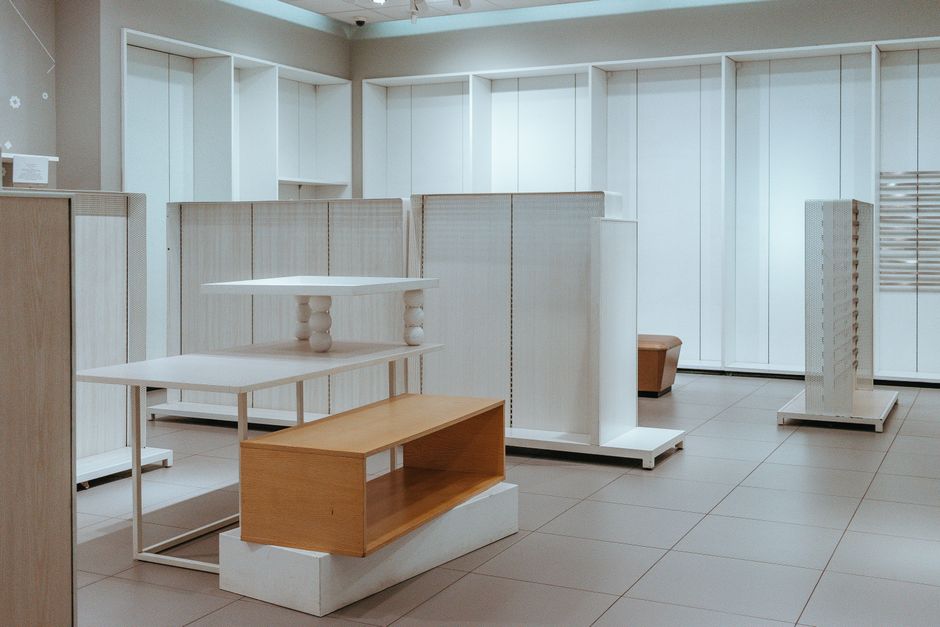
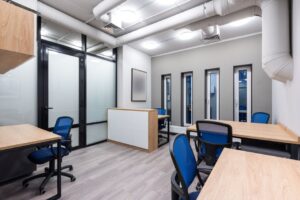
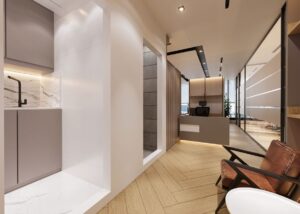
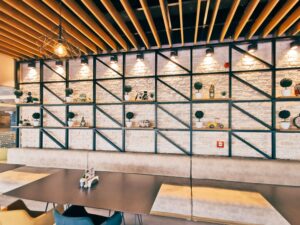
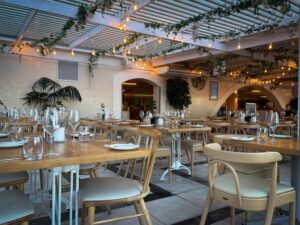
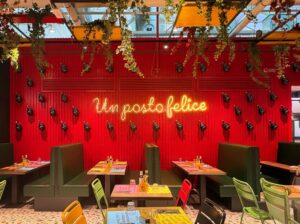
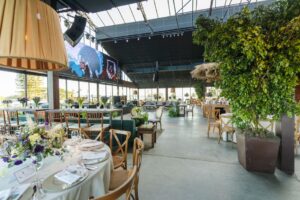
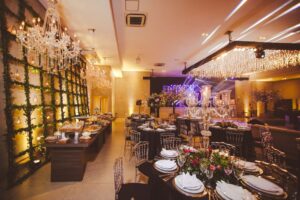
In today’s competitive business environment, the aesthetics and functionality of commercial spaces have become more crucial than ever. A well-designed office, retail store, or hospitality venue can significantly impact customer experience and employee productivity. This is where the expertise of a commercial interior designer comes into play. These professionals not only create visually appealing spaces but also ensure that the design aligns with the brand’s vision and operational needs.
Understanding the Role of Commercial Interior Designers
Commercial interior designers specialize in creating functional and aesthetically pleasing environments for various business types. Their work goes beyond mere decoration; it involves space planning, optimizing layouts, and ensuring compliance with safety regulations. They collaborate closely with clients to understand their needs, preferences, and budget constraints.
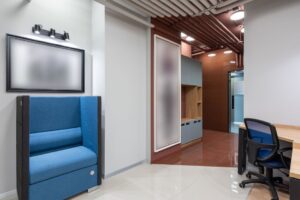
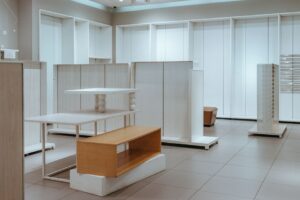
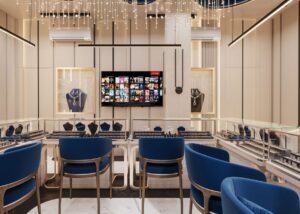
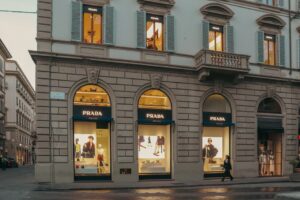
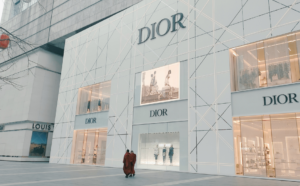
A significant aspect of their role is to enhance the user experience. For instance, in a retail space, a designer must consider customer flow, product placement, and the overall ambiance to encourage purchases. Similarly, in office settings, the design should promote collaboration, communication, and employee well-being.
Key Elements of Commercial Interior Design
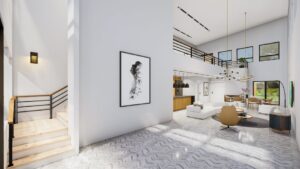
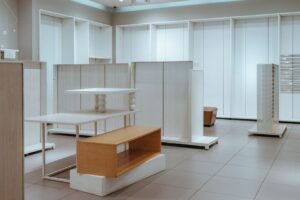
Several key elements define successful commercial interior design. First, space planning is crucial. Designers must assess the available space and determine how to best utilize it. This involves considering furniture layouts, traffic patterns, and zoning for different functions.
Another important aspect is the selection of materials and finishes. Designers need to choose durable and sustainable options that reflect the brand’s image while also standing up to the wear and tear of daily use. Lighting is also vital; it can dramatically affect the mood and functionality of the space.
Moreover, color schemes play a significant role in influencing emotions and behaviors. For example, warm colors can create a welcoming atmosphere, while cool tones can enhance focus and productivity. Therefore, a commercial interior designer must have a keen understanding of color psychology to make informed choices.
Trends in Commercial Interior Design
Staying updated with the latest trends is essential for commercial interior designers. One notable trend is the emphasis on sustainability. Businesses are increasingly opting for eco-friendly materials and energy-efficient designs to reduce their environmental impact.
Another trend is the integration of technology. Smart office spaces equipped with advanced technology can enhance productivity and streamline operations. Designers now incorporate features like smart lighting systems, automated climate control, and collaborative tools into their designs.
Furthermore, biophilic design is gaining popularity, which involves incorporating natural elements into commercial spaces. This trend not only improves aesthetics but also promotes well-being by connecting people to nature.
The Importance of Collaboration
Effective collaboration is vital for the success of any commercial interior design project. Designers often work alongside architects, contractors, and clients to bring a vision to life. Clear communication and a shared understanding of the project goals are essential to ensure that all parties are aligned.
Regular meetings and updates help address any concerns and keep the project on track. A well-coordinated team can navigate challenges more effectively, resulting in a seamless execution of the design.
Additionally, client feedback is invaluable. Designers must be open to suggestions and willing to make adjustments to meet the client’s expectations. This collaborative approach fosters a positive relationship and leads to a more satisfactory outcome.
Conclusion: The Value of Hiring a Professional
In conclusion, the role of a commercial interior designer is indispensable in creating effective and appealing business environments. Their expertise in space planning, material selection, and current design trends can significantly enhance both functionality and aesthetic appeal. By investing in a professional, businesses can ensure that their spaces not only look good but also serve their operational needs efficiently. Whether you are looking to redesign an office, retail space, or hospitality venue, consider partnering with a commercial interior designer to achieve your vision and elevate your brand.