Understanding the Role of Distributors in Modern Supply Chains

In the intricate web of modern supply chains, the role of distributors stands as a pivotal element that ensures goods move smoothly from manufacturers to consumers. Distributors play a crucial role in bridging the gap between production and retail, facilitating not just the movement of products but also providing essential services that enhance overall efficiency. In this article, we will delve into the various functions of distributors, the challenges they face, and the evolving landscape of distribution in today’s market.
The Essential Functions of Distributors
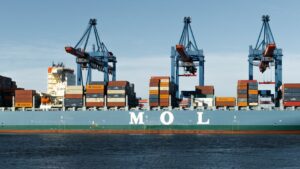
Distributors serve multiple functions in the supply chain, acting as intermediaries that perform a variety of tasks. One of the primary roles is inventory management. Distributors maintain stock levels to ensure that retailers have the products they need when they need them, thus minimizing stockouts and ensuring customer satisfaction. Additionally, they often handle logistics and transportation, which involves managing the movement of goods from manufacturers to warehouses and ultimately to retail locations.
Moreover, distributors are responsible for providing market intelligence. They have direct contact with retailers and consumers, which allows them to gather valuable insights into market trends, customer preferences, and competitive dynamics. This information is critical for manufacturers looking to adapt their products and strategies to meet market demands. For instance, a distributor may notice an uptick in demand for a specific type of health supplement and relay this information back to the manufacturer, prompting them to increase production.
Challenges Faced by Distributors
While the role of distributors is vital, it is not without its challenges. One major issue is the increasing pressure to reduce costs while maintaining service quality. With the rise of e-commerce, many manufacturers are considering bypassing traditional distribution channels in favor of direct-to-consumer models. This trend poses a threat to the traditional distributor’s business model, forcing them to innovate and find new ways to add value.
Additionally, the logistics of distribution are becoming increasingly complex due to globalization. Distributors must navigate various regulations, tariffs, and customs requirements when importing goods from other countries. This complexity can lead to delays and increased costs, which can impact the overall efficiency of the supply chain. To combat these challenges, many distributors are investing in technology such as advanced inventory management systems and data analytics to streamline their operations.
The Evolution of Distribution Channels
The landscape of distribution is constantly evolving, particularly with the advent of digital technology. Traditional distributors are now competing with online platforms that offer direct access to consumers. This shift has led to the rise of hybrid distribution models, where companies utilize both traditional and digital channels to reach their customers.
For example, a company might sell its products through brick-and-mortar stores while also operating an e-commerce site. Distributors must adapt to these changes by embracing technology and enhancing their online presence. By integrating e-commerce capabilities into their operations, distributors can reach a broader audience and meet the changing preferences of consumers.
The Future of Distribution
Looking ahead, the future of distribution will likely be shaped by several key trends. Sustainability is becoming a significant focus for consumers, and distributors are being called upon to adopt greener practices. This could involve optimizing delivery routes to reduce carbon footprints or sourcing products from environmentally responsible manufacturers.
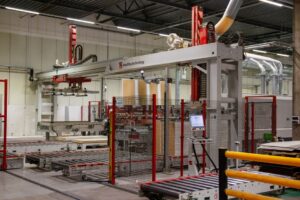
Furthermore, the rise of automation and artificial intelligence in logistics could revolutionize how distributors operate. Automated warehouses and AI-driven forecasting tools can enhance efficiency and accuracy in inventory management. For instance, using BPC157+TB500 in supply chains can help improve product delivery times and reduce errors, showcasing how integration of new technologies can lead to significant improvements.
Conclusion
In conclusion, distributors play a crucial role in the supply chain by managing inventory, providing market intelligence, and navigating complex logistics. While they face challenges from evolving market dynamics and increasing competition, the adoption of technology and sustainable practices will be key to their future success. As the distribution landscape continues to change, those who can adapt and innovate will thrive in this essential sector of the economy.